
Less doing, more being – A December reminder
By the time December arrives, most parents are running on fumes – but what if the holidays offer the first opportunity to slow down, exhale and simply be.
We’ve survived school projects, exam timetables, extracurricular activities, the ever-increasing price of petrol and approximately 47 reminders about things that needed to be brought to school. We have earned a holiday.
Our children, meanwhile, appear to have interpreted the end of the school year as the commencement of a full-time entertainment programme, with us as the unpaid activity coordinators. Given the increase in inflation, every outing now requires a cost-benefit analysis, a packed lunch and serious consideration of whether the destination is worth the drive.
Before filling the calendar with outings, activities and elaborate plans to ensure everyone has a memorable holiday, perhaps we need to ask ourselves a different question: What if the most valuable thing we give our children this December isn’t something we do, but how we show up?
In The Power of Showing Up, Daniel J. Siegel and Tina Payne Bryson explore the importance of helping children feel safe, seen, soothed and secure. These experiences form the foundation of healthy relationships and emotional development. Children need adults who can walk alongside them as they navigate life’s challenges, rather than rushing in to rescue them from every uncomfortable feeling.
This is particularly important at the end of a school year. Children can be emotionally exhausted from managing pressures we see and others we don’t. They may have spent months functioning while dysregulated, meeting expectations and holding things together. Getting through the day is not necessarily the same as feeling well. Sometimes the holidays offer the first opportunity to slow down, exhale and simply be.
This is where opportunity cost comes in. In economics, opportunity cost is what we give up when we choose one thing over another. In parenting, it might be the connection we miss when we’re physically present but mentally somewhere else. We might be sitting beside our child while answering emails, mentally planning supper or calculating how many days remain before school reopens.
The problem isn’t that we need to be available every second. We don’t. Parents need rest, boundaries and the occasional uninterrupted cup of coffee. The opportunity lies in recognising the moments when our presence matters.
I once witnessed a beautiful example of this during a therapy session and an intense game of Uno. A child had a meltdown just before he and his classmates were due to go on stage for their part in the school concert. Uno, followed by a school concert. What could possibly go wrong? His mum stepped in, took him somewhere quieter, got down to his level and helped him regulate with extraordinary sensitivity. She didn’t immediately explain why losing a game wasn’t such a big deal, nor did she rush to correct his behaviour. She showed up.
It was a powerful reminder that the moment for comfort often comes before the moment for logic. When a child is overwhelmed, they may not be ready for a lesson about resilience or managing disappointment. First, they need help feeling safe enough to work through what has happened. The learning can follow.
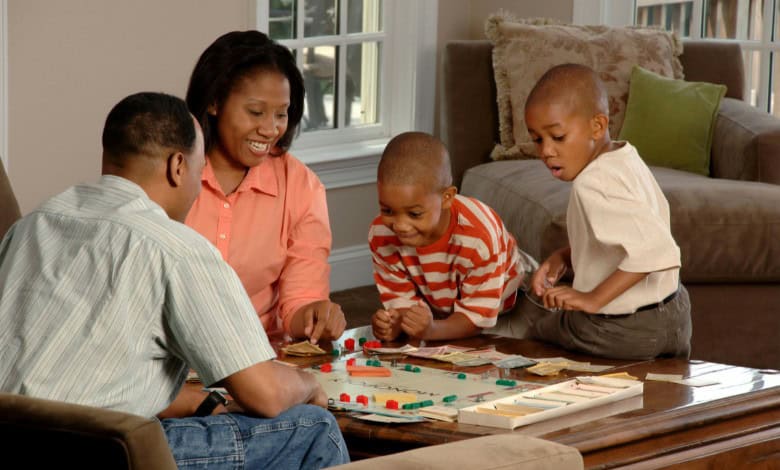
So, what might showing up look like this holiday? It could be fifteen minutes of playing a game your child has chosen, without checking your phone. It might mean listening to a long, complicated story without immediately offering advice. It could be noticing that irritability is sometimes a sign of exhaustion, or allowing your child to be disappointed without trying to make the feeling disappear.
Showing up also means accepting that we won’t always get it right. We will lose patience, become distracted and occasionally respond in a tone that suggests the Uno game has personally offended us. Repair matters. Returning to our children, acknowledging when we’ve got it wrong and reconnecting teaches them that relationships can withstand difficult moments.
Showing up isn’t about creating perfect memories or being a perfect parent. It’s about building a relationship in which children can be themselves, mistakes and all, knowing that they don’t have to face life’s difficult moments alone.
This December, try setting aside time each day to be fully present with your child. Let them lead. Follow their interests. Resist the urge to turn every conversation into a teachable moment. You don’t need an itinerary, a budget or a particularly exciting activity. Just your attention. In fact, staying home might be the most economical holiday activity of all.
The opportunity cost of not showing up may be the small moments of trust and connection we cannot recreate later. Those ordinary moments, repeated over time, are often the ones that matter most. Perhaps the greatest gift we can give our children is not a holiday packed with activities, but the experience of knowing that, in the moments that count, we are truly there.
If all else fails, remember: playing Uno at home is free. Losing gracefully, however, remains a work in progress for most of us.
Content by www.bellavista.org.za.
For more on kids, visit Get It Magazine.