
Budget proposes public sector wage freeze for three years
“Additional options to be explored include harmonising the allowances and benefits available to public servants, reconsidering pay progression rules and reviewing occupation-specific dispensations,” said the policy statement.
The reduction of the public sector wage bill was one of the main fiscal measures implemented in stabilising the country’s debt over the next five years, as it accounted for about one-third of the consolidated budget, The Citizen reports.
Following a pandemic which led to a steep economic decline, the country’s economy is expected to contract by 7.8% in 2020 and to return to real GDP growth of 3.3% in 2021.
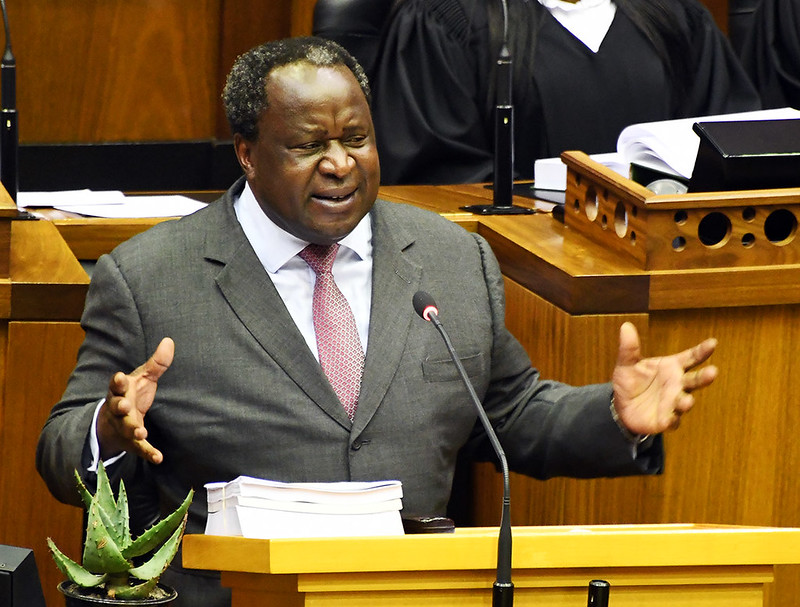
This was highlighted in the medium-term budget policy statement (MTBPS) tabled by Finance Minister Tito Mboweni on Wednesday.
The MTPBS prioritised economic recovery and fiscal consolidation following a lockdown which halted the majority of the country’s economic activities.
Since the real cost of the public-sector wage bill has risen by 51% due to an increase in unit costs rather than staff, the wage-bill process has become economically unrealistic.
Government proposed a growth in the Public Sector Wage Bill of 1.8% in the current year and an average annual growth of 0.8% over the 2021 medium-term expenditure framework period. The third year of the 2018 Public Sector Wage Bill was however not implemented.
The Budget further proposed a wage freeze over the next three years.
“Additional options to be explored include harmonising the allowances and benefits available to public servants, reconsidering pay progression rules and reviewing occupation-specific dispensations,” said the policy statement.
As the back-and-forth disagreement on scrapping the bill was before the labour court, government however continued to engage with unions to establish a solution for sustainable costs of employment.
The next round of wage negotiations would start soon while government was currently formulating its position.
“In addition, government is coordinating work relating to developing a comprehensive public-sector remuneration strategy for the medium to long-term. This will include public office bearers, state-owned companies, public entities and local government. The strategy will seek to better balance competing interests on the basis of fairness, equity and affordability,” the policy statement said.
Read original story on citizen.co.za

