
Covid-19 lockdown: SADAG conducts online survey to gauge people’s mental health
Some of the challenges experienced are anxiety and panic, financial stress and pressure and depression.
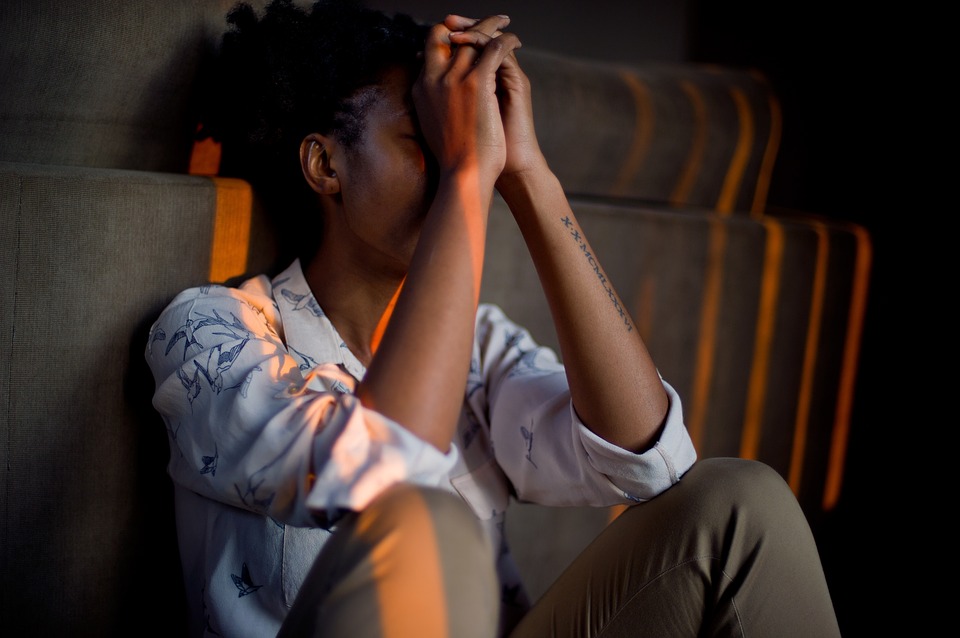
The South African Depression and Anxiety Group (SADAG) has been receiving more calls since the start of lockdown from people feeling anxious, lonely, worried and depressed.
Many callers are stressed about a combination of issues including the spread of Covid-19, finances, relationship problems, job security, grief, gender based violence and trauma.
Covid-19 and the lockdown has affected many South Africans, and it has had a serious impact on people living with a mental health issue often making their symptoms more heightened. SADAG has been receiving calls from people with no history of anxiety or depression who are feeling overwhelmed, anxious and stressed” – SADAG’s Operations Director Cassey Chambers.
SADAG conducted an online survey on mental health during the Covid-19 lockdown via various online platforms including its website, newsletter members, Facebook and Twitter. Within 10 days there were over 1200 participants (total 1214 respondents) who completed the short 7-minute survey which asked participants about their home life, their mental health before and during lockdown, how they accessed information and what coping tips helped them to manage their mental health during the lockdown.
ALSO READ: How to recognise the warning signs of depression
While a massive 92% of the respondents supported the lockdown – 65% of the people who completed the survey felt stressed or very stressed during it.
SADAG’s helplines receive calls from people across the country – from all races, gender, age, socio-economic backgrounds – which again highlights that mental illness does not discriminate. In the survey, females were the majority of respondents – 85% versus males with only 15%. 48% of respondents were between the ages of 26 – 45. The majority of respondents were from Gauteng which accounted for 60%, while 17% were from the Western Cape.
The research showed that 62% (two-thirds) of respondents are currently employed, while 38% were not employed at the time of the survey.
A total of 59% of respondents said they were diagnosed with a mental health issue prior to lockdown. Depression was the most common mental health diagnosis at 46%, Anxiety was reported as the second most common diagnosis at 30%, and then bipolar disorder at 12%.
“These conditions could certainly be exacerbated by the lockdown, – SADAG Board Chairperson, psychiatrist and psychologist, Dr Frans Korb.
“Particularly if the individual lives alone or in a dysfunctional home situation.” As 16% of the respondents live alone, this may be especially problematic for them.
Of concern, is that 16% of respondents live alone – and the loneliness and isolation is a recurring theme from the hundreds of callers who contact SADAG’s helplines everyday. Loneliness could have mental health implications.
“For many people, this is a worrying amount of alone time when they are forced to face themselves, their fears and anxieties alone,” says Dr Korb.
The main challenges experienced during lockdown included:
- 55% anxiety and panic
- 46% financial stress and pressure
- 40% depression
- 30% poor family relations
- 12% feelings of suicide
- 6% substance abuse
While 47% of respondents lived with three to five people in a household, another risk is that it also puts family members (or household members) in a difficult position should one be ill – physically or mentally – at it would impact the entire household and the risk for spreading the virus within a household are high.
SADAG has been encouraging callers, members and the general public to use reliable sources of information on Covid-19 to help alleviate the fear, misinformation and fake news that can create anxiety and stress.
Respondents accessed information regarding Covid-19 during lockdown through various platforms including: press and media (72%), televised government speeches (71%), social media (60%), friends and family (41%) and the government WhatsApp group (17%).
The main sources of coping skills and resources was led by SADAG social media and website (49%), followed by news websites (27%) and international organisation websites like Centres for Disease Control and Prevention (CDC) and the World Health Organisation (WHO) (26%).
Respondents shared the top 5 activities that helped them feel better during lockdown which included:
- Getting some exercise (50%)
- Chatting to someone (50%)
- Watching a film/TV show (not the news) (48%)
- Doing housework or a home project (44%)
- Sharing a meal with family members (35%)
While the survey sample size is statistically useful, is not sufficiently large to allow for true national or provincial representation. However, this set of findings does accurately represent the views of those contained within the sample of valid survey responses (n-1214), – Senior Research Associate, Dr Bronwyn Dworzanowski-Venter.
Support during lockdown is vital – whether you have a pre-existing mental health issue or not. “The survey has given SADAG insight into the challenges that so many people are facing throughout the country, and SADAG will continue to provide various online resources and support, self-help tips and coping skills addressing some of the issues highlighted in the survey,” says Chambers.
SADAG is providing these kind of support services during this difficult time:
- Online toolkit on www.sadag.org providing articles, coping tips, podcasts, online videos, etc.
- SMS 31393 and a counsellor will call back (available 24 hours a day)
- Helplines providing free telephonic counselling on 0800 21 22 23, 0800 70 80 90, 0800 456 789 (24 hours a day), 0800 12 13 14 (24 hours) and the Suicide Crisis Helpline 0800 567 567 (24 hours)
- WhatsApp chat (076 88 22 77 5) with a counsellor 7 days a week, 9am – 4pm
- Daily expert online Q&A on SADAG’s Facebook page “The South African Depression and Anxiety Group”
Notice: Coronavirus reporting at Caxton Local Media aims to combat fake news
Dear reader,
As your local news provider, we have the duty of keeping you factually informed on Covid-19 developments. As you may have noticed, mis- and disinformation (also known as “fake news”) is circulating online. Caxton Local Media is determined to filter through the masses of information doing the rounds and to separate truth from untruth in order to keep you adequately informed. Local newsrooms follow a strict pre-publication fact-checking protocol. A national task team has been established to assist in bringing you credible news reports on Covid-19.
Readers with any comments or queries may contact National Group Editor Irma Green (irma@caxton.co.za) or Legal Adviser Helene Eloff (helene@caxton.co.za).
Read original story on southcoastherald.co.za

