
Ekurhuleni metro needs an estimated R3.1-billion to fix crumbling roads
Recent floods have left many roads in the country in disrepair, prompting concerned citizens to plead with the government to intervene.
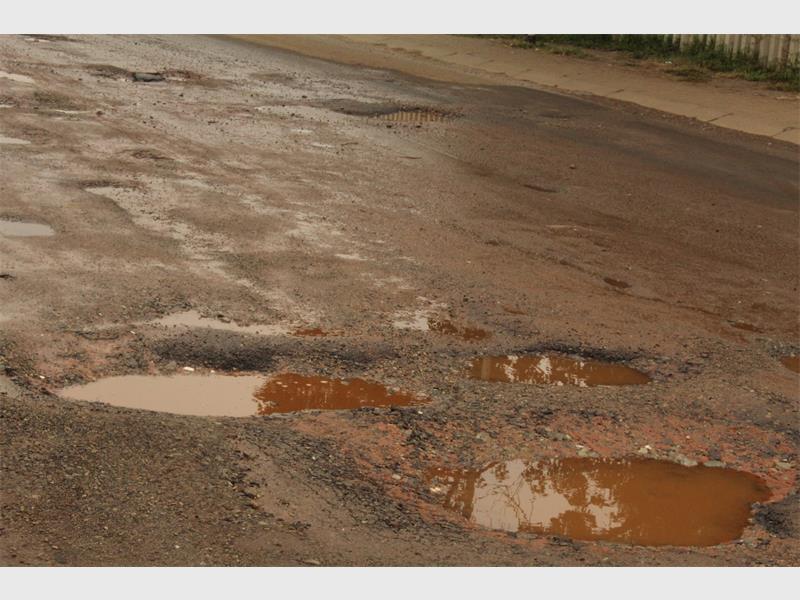
If the recent parliamentary reply to a DA question is anything to go by, the City of Ekurhuleni needs billions of rand to fix crumbling roads and bridges.
The metro has not yet commented on this parliamentary reply. However, according to DA Kempvale political head, Mike Waters, the parliamentary reply to DA questions revealed that there is a backlog of 1 352km of roads that needs resurfacing and, or rehabilitation, at an estimated cost of R3.1-billion.
“The DA is shocked that more roads classified as very poor compared to roads classified as very good within the City of Ekurhuleni, as revealed in reply to parliamentary questions.
“To make matters worse, the ANC-led coalition has only allocated a measly eight per cent of the money needed to resurface and rehabilitate our crumbling road network.
“The allocation of a mere R248-m towards this purpose in the 2020/21 budget will only rehabilitate 106km of the road network or 4.5 per cent of all roads that need immediate and urgent attention.
“At this rate, it would take the City 22 years to attend to the current backlog,” said Waters.
Waters further pointed out that with the overall road network deteriorating daily, the backlog is set to balloon.
“Residents across the metro live the nightmare of dangerous and hazardous roads. They only have to drive down their roads to experience the collapse of the road network.
“For many residents, getting to and from work has become an extreme sport.
“The seriously worsening conditions on Ekurhuleni roads is clear when one compares the replies of two parliamentary questions, from 2017 and late 2020.
“I asked what percentage of roads of the road network in the City of Ekurhuleni has been classified as very poor, or poor or if any other specified classification. The comparisons are chilling.
“In 2017, no roads were classified as very poor compared to 20.06 per cent in 2020. Furthermore, two per cent were classified as poor in 2017 compared to 9.98 per cent in 2020.
“Another 12 per cent were classified as fair in 2017 compared to 37.27 per cent in 2020. Forty per cent of roads were classified as good in 2017 compared to 12.97 per cent in 2020 while 46 per cent were classified as very good in 2017 compared to just 19.54 per cent in 2020.”
Waters said what he finds shocking about these figures is that in three years, the percentage of roads classified as very good and good within in the City has decreased from 86 per cent to 32.51 per cent, while roads classified as very poor and poor has increased from two per cent to 30.04 per cent.
“It is mind-boggling that executive mayor Mzwandile Masina believes that he is leading a world-class metro. He only has to venture out of his office to grasp the seriousness of the situation,” said Waters.
Read original story on boksburgadvertiser.co.za

