
From bulbs to bravery: Diepsloot pilot uses gardening to tackle childhood trauma
Discover how owning a living thing for the first time empowered youth to find their voice, bridge gender gaps, and build resilience in high-risk households.
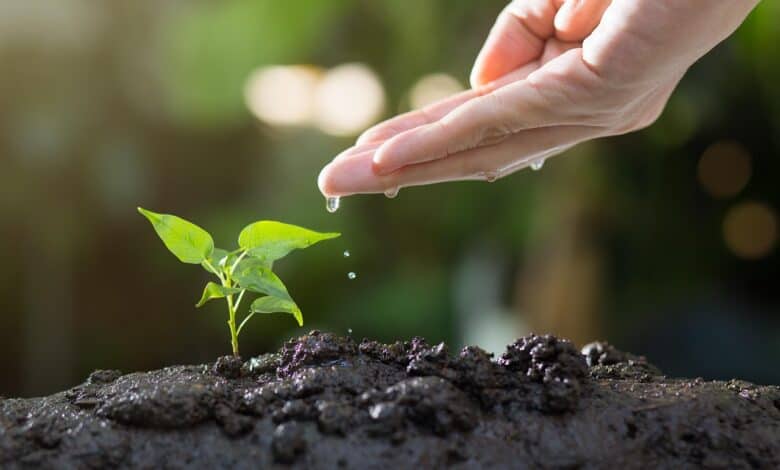
A new initiative in Diepsloot is using hyacinth bulbs to help children navigate trauma and emotional regulation in one of South Africa’s most violent regions. The ‘Plant Play’ programme, a four-month pilot project by Human Nature Africa, recently concluded its first phase with 265 learners aged 10 to 15.
The project targets Diepsloot specifically due to its high rates of reported gender-based violence (GBV). By teaching children to care for a non-food plant – a responsibility that carries no ‘survival pressure’ – organisers aim to create a safe space for emotional expression in an environment often defined by conflict and financial distress.
Identifying at-home risks
The programme, guided by local youth facilitators, provides each child with a bulb, soil, and a pot. Beyond the horticultural aspect, the weekly sessions serve as a vital screening tool for identifying at-home risks.
The reality of these risks was highlighted on the first day when a 12-year-old girl informed facilitators she could not take her plant home. “When my mom and dad fight, they break things,” she shared – a moment that shifted the room and underscored the volatility many participants face.
Facilitators noted that initial reactions to the plants reflected deep-seated survival mindsets and rigid gender roles. Some boys dismissed the flowers because they were not edible, while many girls viewed the plants as practice for motherhood. Organisers observed that these responses revealed how early survival instincts often replace childhood curiosity.
Measurable behavioural shifts
As the hyacinths moved from bulb to bloom, teachers and parents reported significant behavioural changes:
- Emotional regulation: Children learned patience and how to handle disappointment when plants did not thrive.
- Communication: Parents reported children speaking about their feelings for the first time.
- Academic engagement: Teachers noted that previously withdrawn students began participating in class, using the plant as a “rite of passage” to find their voice.
- Peer support: When six plants failed to survive, the group naturally integrated those children, sharing plants and experiences without being prompted by facilitators.
Scaling the initiative
The Human Nature Collective is now looking to scale the ‘Plant Play’ model across South Africa’s 30 highest-ranking GBV areas. The goal is to reach more than 15 000 children, aligning the project with the National Development Plan (NDP) 2030 and the UN Sustainable Development Goals.
Organisers argue that societal stability depends on early, preventive behaviour change. By partnering with Corporate South Africa, the collective intends to turn this localised success into a national standard for violence prevention and emotional literacy.
Breaking news at your fingertips… Follow Caxton Network News on Facebook and join our WhatsApp channel.
Nuus wat saakmaak. Volg Caxton Netwerk-nuus op Facebook en sluit aan by ons WhatsApp-kanaal.
Read original story on www.citizen.co.za

