
Fuel smuggling on the rise in Mpumalanga
SARS has launched an investigation into illicit diesel that is reportedly sourced from Mozambique.
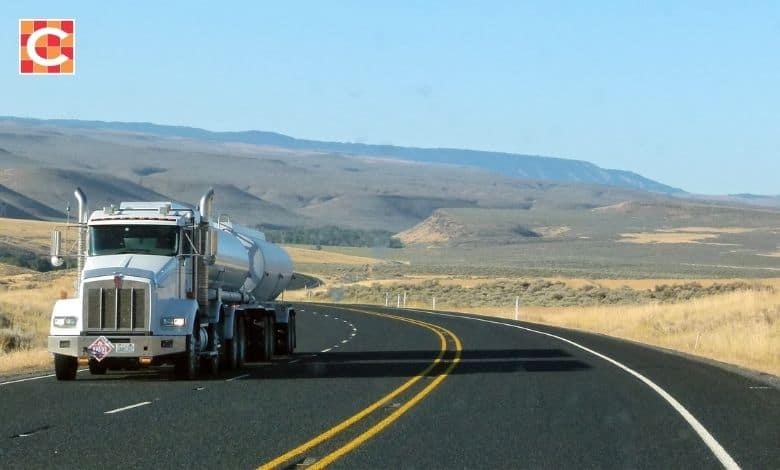
According to a Lowveld fuel retailer who spoke to Lowvelder on strict condition of anonymity, fuel fraud involving adulterated diesel and underdeclared duties has become rampant along the South Africa-Mozambique trade corridor.
It was confirmed that SARS has launched investigations into these schemes.
A sophisticated smuggling operation exploits a loophole in cross-border fuel transport. Trucks with a certified capacity of 60 000l are allegedly declaring only 40 000l at the border, while the remaining 20 000l enter South Africa undeclared.
The illicit diesel, reportedly sourced from Mozambique, is moved across the border with the alleged complicity of corrupt officials. Each undeclared load generates a tax-free profit of approximately R125 400, based on a margin of R6.27 per litre.
To evade detection, smugglers reportedly remove the illuminating paraffin tracer from paraffin at the port, making it difficult for authorities to detect when paraffin is used to adulterate diesel. This practice allegedly floods the Mpumalanga market with suspiciously low-priced fuel, undercutting legitimate retailers and defrauding the fiscus.
“If you calculate it across dozens of trucks daily, it runs into hundreds of millions a year – money stolen from South African taxpayers,” the retailer said.
A second layer of the scheme involves so-called ‘ghost trucks’ that vanish from official records. According to the same retailer, truck owners allegedly pay bribes to have vehicles fraudulently deregistered after collecting fuel in Mozambique. These trucks are then processed through customs as if they had completed a legitimate round trip, enabling large-scale fuel diversion and tax evasion.
Illicit fuel is reportedly sold at below-market prices at various outlets, offering direct evidence of its tax-free nature and its impact on legitimate retailers. Each load of diesel attracts R6.27 per litre in duties. When multiplied across these so-called ghost shipments, the losses to the state could exceed R300m annually.
A recorded conversation obtained by Lowvelder provides audio evidence supporting key elements of the scheme. In the recording, a person is heard soliciting business from a South African retailer, describing how diesel is illegally dyed to disguise its origin. The individual also alleges that SARS officials are bribed up to R200 000 per shipment to allow illicit fuel to cross the border.
The trade does not stop at smuggling. A secondary market for adulterated fuel is emerging. Liquid straight run (LSR), a cheap by-product of fuel production selling for about R8 per litre, is allegedly being mixed with petrol.
“If the price sounds too good to be true, it usually is,” the retailer warned. “Either it’s illegal diesel or it’s adulterated with paraffin or LSR. Both damage engines and defraud consumers.”
Adding to the crisis is the proliferation of unlicensed fuel depots and illegal filling stations across the province. Under the Petroleum Products Act 120 of 1977, the Department of Mineral Resources and Energy (DMRE) regulates fuel licences, but enforcement is reportedly lacking.
“We report these illegal depots all the time, but nothing happens,” he said. “The department is supposed to shut them down. Instead, they are multiplying. This is killing the legitimate industry.”
Wholesale licences, which allow bulk distribution, are easier to obtain and are not tied to a specific property. Retail licences require a fixed location and an environmental impact study. Illegal operators allegedly exploit this by using wholesale licences to sell directly to the public, bypassing compliance costs.
“They buy with a wholesale licence, sell as retailers, and avoid compliance costs. How can a legitimate fuel station survive that?” the source asked.
The ongoing diesel fraud is undermining both the formal fuel retail sector and government revenue. The retailer estimates that combined losses to SARS in duties and levies could reach R300m to R500m per year.
He confirmed that SARS is actively investigating diesel-related tax fraud and that its Mpumalanga teams have been visiting sites and following up on leads.
SARS confirms joint crackdown
Although SARS and the DMRE had not responded to Lowvelder’s latest questions by the time of publication, SARS addressed the issue in an earlier statement, dated June 14, 2025. In it, SARS confirmed that:
- The illicit fuel trade is driven by organised criminal networks operating along the Maputo Corridor.
- Some importers declare only 40 000l of fuel while actually importing up to 60 000l, using falsified documents.
- Fuel adulteration – especially mixing diesel with paraffin – is widespread and costs the fiscus approximately R3.6b annually.
- Joint enforcement operations have detained over 953 000l of contaminated diesel, seized assets worth R367m, and registered 13 criminal cases at the time.
- Investigations revealed diesel samples with up to 68% paraffin content and uncovered mobile ‘washrooms’ used to remove forensic markers.
- SARS is working with the National Joint Operational and Intelligence Structure, SAPS, the State Security Agency and other departments to combat the illicit economy.
“These syndicates can only underestimate our resolve to eradicate this criminality at their peril. These acts threaten the very foundation of our society. Our message is clear: We will spare no efforts to crush them,” said SARS Commissioner Edward Kieswetter.
Breaking news at your fingertips… Follow Caxton Network News on Facebook and join our WhatsApp channel.
Nuus wat saakmaak. Volg Caxton Netwerk-nuus op Facebook en sluit aan by ons WhatsApp-kanaal.
Read original story on www.citizen.co.za

