
High levels of undiagnosed disease in rural KZN – survey
Four out of five women over the age of 30 in rural northern KZN are living with a chronic health condition.
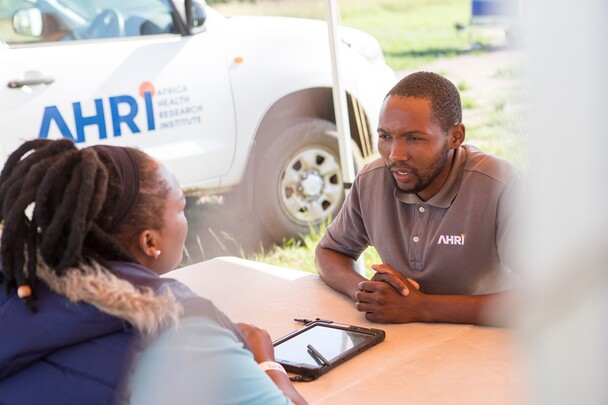
Four out of five women over the age of 30 in rural northern KZN are living with a chronic health condition.
This is according to a recent study by the Africa Health Research Institute (AHRI), based in Somkhele near Mtubatuba.
The research also revealed that the HIV-negative population and older people, particularly those over 50, bear a higher burden of undiagnosed or poorly controlled non-communicable diseases like diabetes and hypertension.
These findings come as KZN MEC for Health Nomagugu Simelane-Zulu calls on government to keep the focus on TB and HIV infection rates amid the Covid-19 pandemic.
AHRI’s research study was recently published in the scientific journal Lancet Global Health and draws on data from a comprehensive research programme which the facility ran for 18 months from 2018 to 2019 in the uMkhanyakude district.
The programme screened 17 118 people aged 15 years and older, via mobile camps within 1km of each participant’s home.
The aim was to gain a clearer picture of the biological determinants of disease in the area, to design interventions to improve people’s health.
Research shows high and overlapping burdens of TB, HIV, diabetes and hypertension among men and women.
Forty years after the first Aids cases were documented globally, the researchers found that HIV is for the most part well diagnosed and treated.
However, the study also found that some demographic groups – including men in their 20s and 30s – still have high rates of undiagnosed and untreated HIV.
The majority of people with TB, diabetes or hypertension had disease which was previously undiagnosed or not well controlled.
Despite being a curable disease, TB remains one of the leading causes of death in South Africa, and the high rates of undiagnosed and asymptomatic TB that this research exposed, is cause for concern.
“Our findings suggest that the massive efforts of the past 15 years to test for and treat HIV have done very well for that one disease.
But in that process, we may have neglected some of the other important diseases that are highly prevalent,” said Dr Emily Wong, AHRI faculty member and lead author on the paper.
Additional findings included:
- 52% of people 15 years or older were found to have at least one active disease, while 12% had two or more diseases
- 34% of people are living with HIV
- 1.4% had active TB and 22% had lifetime TB. Around 80% of undiagnosed TB was asymptomatic
- 8.5% had diabetes and 23% had high blood pressure
- Women bear a particularly high burden of HIV, high blood pressure and diabetes
- Men have higher rates of active TB ‘The data gives AHRI researchers and the Department of Health critical indicators for where the most urgent interventions are needed,’ added Dr Wong.
“The research was done before Covid-19, but it has highlighted the urgency of diagnosing and treating people with non-communicable diseases – given that people with uncontrolled diabetes and hypertension are at higher risk of becoming very ill with Covid.”
Read original story on zululandobserver.co.za

