
Lack of electric vehicle production in SA may leave 100 000 jobless
With the majority of foreign automotive markets South Africa exports to gravitating towards electrification, it is crucial that local provisions are implemented to prevent job losses.
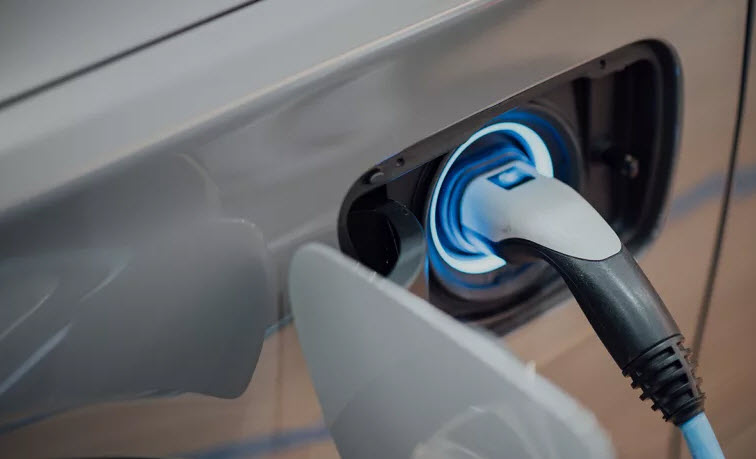
In a nutshell, Europe is South Africa’s largest importer of vehicles. The European Union has since issued a mandate that no Internal Combustion Engined (ICE) vehicles will be allowed to be sold from 2030 onwards and will only allow for zero-emissions vehicles to enter the economic region.
With Volkswagen, Mercedes-Benz and BMW producing several vehicles at their respective facilities, many are destined for sale in European countries. This is a significant contributor to the South African economy worth billions of rands. Mondli Gungubele, Minister in the Presidency of South Africa, has issued a stern warning that the automotive industry needs to adjust to realign itself with the ever-changing global climate and demands of the mobility sector. In addition, he has warned that over 100 000 jobs both directly linked to the industry, as well as supplementary sectors may be in jeopardy.
“If we don’t move in pace with that call – to new electric vehicles – no fewer than 100 000 jobs are under threat. In other words, in that sector, we lose our status as a stakeholder and trading partner in the sector beyond that period,” said Gungubele.
The portfolio meeting Gungubele convened on Mineral Resources and Energy on December 6 had a primary focus on South Africa’s energy transition investment plan for 2023-2027. The imperative is to convert the sector into new energy vehicles with a R1.5t plan. The Just Energy Transition’s Investment Plan intends on investing R128b in South Africa’s new energy vehicles sector.
The National Association of Automobile Manufacturers of South Africa (Naamsa) expects that 40% of European vehicle sales by 2030 will comprise new energy vehicles, while that percentage would likely double within 10 years.
Mike Mabasa, the CEO of Naamsa, stated: “It is clear that we cannot ignore electric vehicles if we want to continue doing business with Europe. It will have a huge impact on the country if we lose R201b in export earnings a year. We don’t want our main export markets to say that they are no longer interested in ICEs [internal combustion engines] because of their emission targets and that they are taking their business elsewhere. We need to remain relevant.”
Read original story on www.carmag.co.za

