
Pretoria zoo welcomes new marine species
More marine species have been added to Pretoria Zoo’s collection to highlight the importance of marine conservation.

The Pretoria National Zoological Garden (NZG) recently welcomed three blacktip reef sharks and more than 200 colourful marine fish.
Pretoria Rekord reports that the zoo is home to the largest inland aquarium on the African continent, and the new additions aim to provide a unique experience and highlight the ongoing plight of marine life.
“The arrival of these animals not only adds to the beauty and diversity of our exhibits but also helps us tell a bigger story about ocean ecosystems and the threats they face,” says Tracy Rehse, director of Animal Collections at NZG.
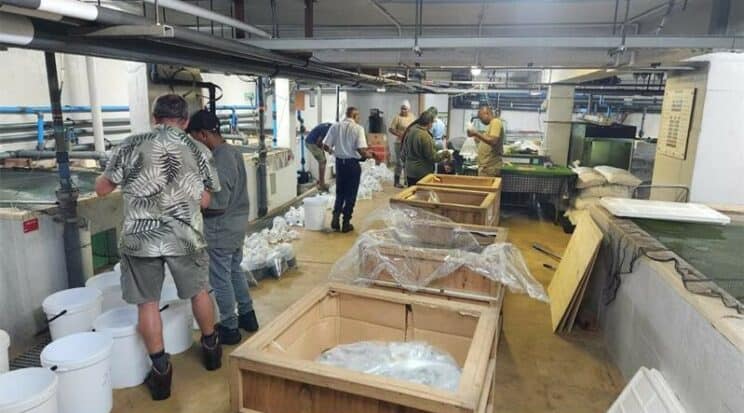
The sharks arrived at Johannesburg’s OR Tambo International Airport from Kenya following a 10-hour flight and were promptly transported to the zoo.
Each shark travelled in a 1 000l plastic tank fitted with a secure lid that was connected to life support systems to ensure proper oxygenation during the journey.
Upon arrival, they were carefully introduced to their new environment, gradually adjusting to water temperature, salinity and pH to ensure a smooth and stress-free acclimation process.

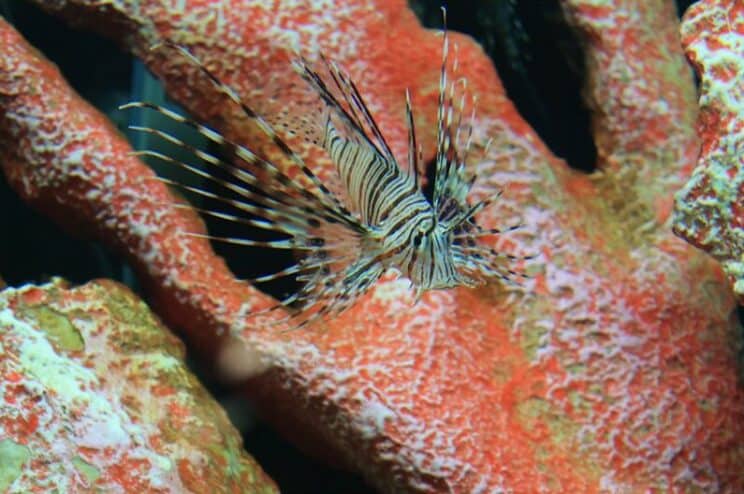
Accompanying the sharks were 220 marine fish, including striking species such as powder blue tangs, skunk-striped anemonefish, stars and stripes pufferfish and green bird wrasse.
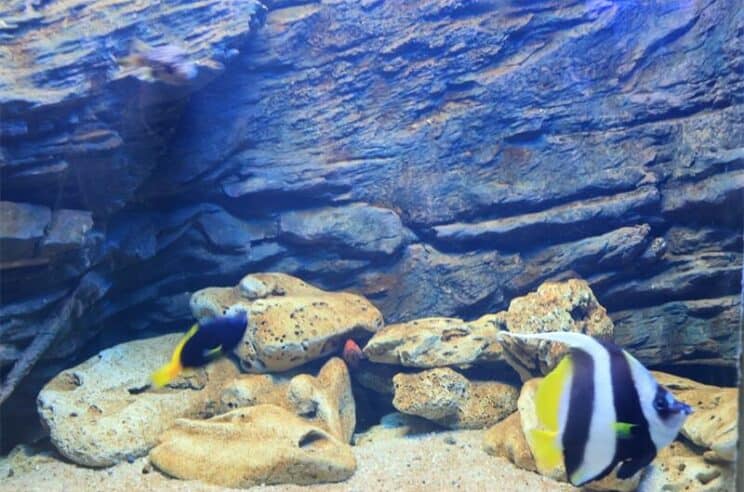
Each fish was individually transported in oxygen-rich marine water and carefully acclimated to their new habitat using controlled floating methods before joining the existing aquarium population.
The blacktip reef shark (Carcharhinus melanopterus) is a fast and agile species native to the shallow waters of the Indo-Pacific region.
Known for their distinctive, black-tipped fins and remarkable swimming speed, these sharks are effective daytime hunters that often move in small groups, feeding on fish, crustaceans and molluscs.
In the wild, they face growing threats from habitat destruction and overfishing and are listed as vulnerable on the International Union for Conservation Red List.
While their average lifespan in the wild ranges from 10 to 12 years, they can live for over 20 years in well-maintained aquarium settings, reaching lengths of 1.5m to 2m.
Breaking news at your fingertips… Follow Caxton Network News on Facebook and join our WhatsApp channel.
Nuus wat saakmaak. Volg Caxton Netwerk-nuus op Facebook en sluit aan by ons WhatsApp-kanaal.
Read original story on www.citizen.co.za

