
Snaring of Kruger National Park animals on the rise
More than 800 snares were removed from the Kruger National Park in just three months late last year.
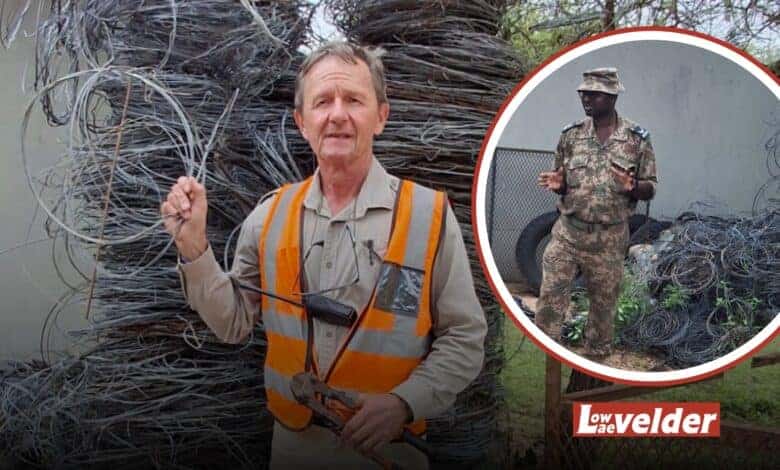
Snaring in the Kruger National Park (KNP) is increasing.
According to an article published by Lowvelder, the building of houses next to the KNP has made it easier for people to enter the park to set snares.
Between June and September, the SANParks Honorary Rangers and SANParks rangers removed more than 800 snares from the southern side of the park.
According to Skukuza section ranger Kally Ubisi, a badly hurt pregnant giraffe was found with a snare around her neck. It was, however, possible to rescue and treat her and, in this instance, an animal did not die a painful death.
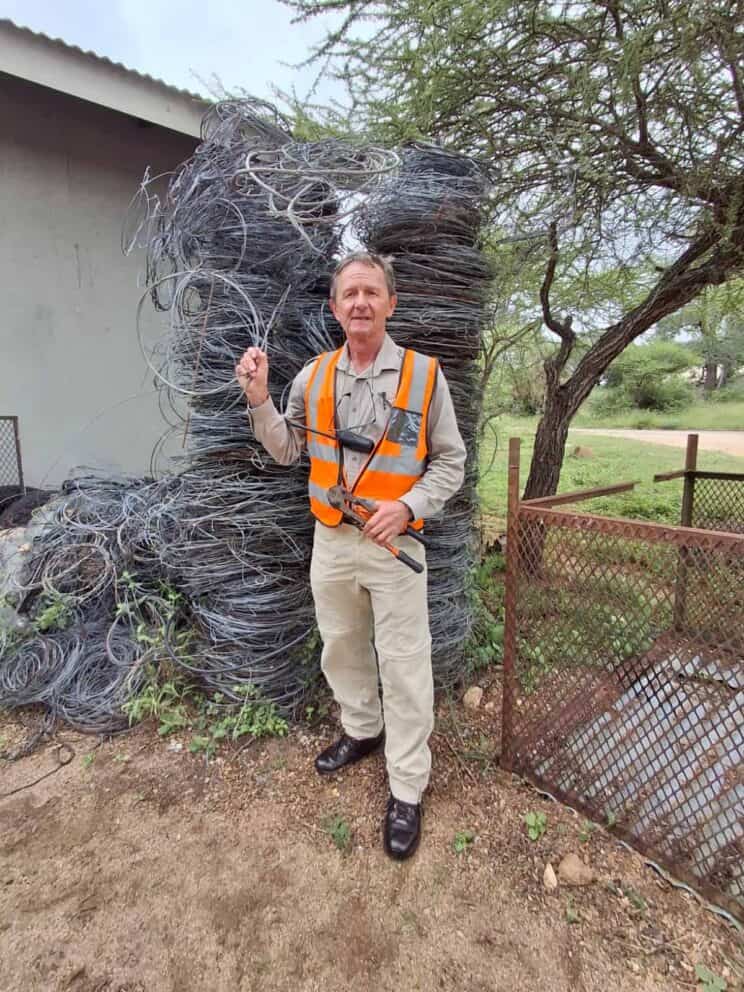
He says some snares are manufactured by a machine, and the poachers are targeting animals most people eat or sell. They are not after wild cats, for instance, as there is no market for them, but they still get caught and die.
“That tells us there is a market for wild meat nearby because the snares are all over the park. With the assistance of the honorary rangers, we are doing our best to remove them, but poachers keep returning to lay them again,” Ubisi says.
According to him, the problem is getting out of hand as people are now building their houses next to the park’s fences. Some have even built taverns there, making it an easy assembly point for poachers to sneak into the Kruger.
“Some of these people who have built their houses next to the park are destroying the fence so that animals can simply walk out. They will then either kill them or call us to take it back. This is difficult to do, and we end up having to euthanise them and give the meat to the community members to eat,” Ubisi explains.
Awareness campaigns are held in the communities, warning about the dangers of snaring and how this will lead to problems when caught.
However, this does not stop the rampant snaring. Ubisi urges community members to stop laying snares and removing the fence, which was erected not only to protect wild animals but also the communities’ livestock, which can pick up diseases from wild animals entering residential areas.

Roland Mastnak, an honorary ranger, says the southern side of the park stretches from the Paul Kruger Gate to the Malelane Gate. Most of the snares are found next to the villages in this area. Some even use the Kruger’s fencing to make the snares.
“The number of snares we have removed shows these poachers are not doing it because they want to eat, but that they have a lucrative market for selling bush meat. They are not even manufacturing the snares themselves anymore as most of those found were not hand-made. It is heartbreaking that animals die very painful deaths in a protected environment,” Mastnak says.
Despite the challenges, Mastnak says they will continue to assist with removing the snares twice a month to protect the animals.
Snaring remains a challenge in the Kruger National Park. The severity of wildlife caught snares is alarming. pic.twitter.com/GQb6NTCJBv
— Dianah C Tswere 🌈🏳️🌈 (@chiyangwadee) February 19, 2025
Breaking news at your fingertips… Follow Caxton Network News on Facebook and join our WhatsApp Channel.
Read original story on www.citizen.co.za

