
UJ and the HSRC conduct vaccine survey
A recent survey shows that acceptance of vaccines is increasing but challenges remain.
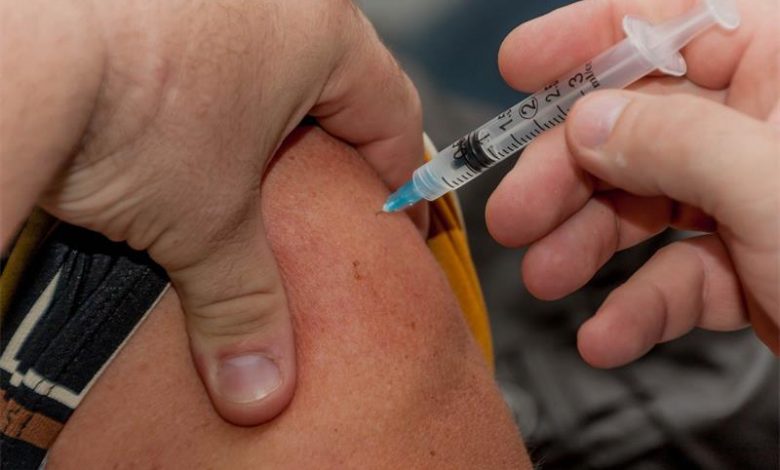
The University of Johannesburg in collaboration with the Developmental, Ethical and Capable State research division of the Human Sciences Research Council released two reports at a webinar, which provided the latest findings regarding vaccine acceptance and hesitancy from the UJ/HSRC Covid-19 Democracy Survey.
This report analysed the self-reported explanations for vaccine acceptance and hesitancy based on a sample of 2 370 responses to round four of the survey. For those willing to take the vaccine, the most common explanations were related to the desire to protect oneself and society – this was the case regardless of race, class, gender and geographical location.
Those who indicated that they would probably take the vaccine more often expressed some doubts or uncertainties about vaccination, with particular concerns around side effects and the effectiveness of the vaccine. While these uncertainties do not appear to have dissuaded them entirely from vaccination, they may contribute to delays in the uptake of vaccination.
The report further showed there were three primary concerns among the vaccine-hesitant: side effects, the effectiveness of the vaccine, and distrust of the vaccine and/or institutions.
Explanations related to social media or other forms of rumours, conspiracy theories and religious objections make up a small proportion of self-reported explanations, mentioned by less than 10% of hesitant South African adults.
Vaccine hesitancy is reportedly largely driven by concerns about side effects and the effectiveness of the vaccine. While it remains important to debunk rumours and other false information circulating on social media, this is not the main source of concern expressed by participants in the survey.
What this analysis has demonstrated is that the majority of those that express hesitation about taking the vaccine are not anti-science, but are expressing rational and legitimate doubts about a new vaccine. By analysing a selection of socio-demographic variables, researchers were able to provide insight into which groups held particular concerns about the vaccine.
This report also could not provide a definitive answer as to why younger people, 18 to 34-year-olds in particular, are more vaccine-hesitant. Their three most mentioned explanations included side effects, distrust and ineffectiveness of the vaccine.
Younger people, both those aged 18 to 34 and 35 to 49, are more generally uncertain about taking a vaccine much more frequently than the older age groups. More research would need to be done to understand the concerns of younger people better in relation to vaccination.
Read original story on northcliffmelvilletimes.co.za

