
World bird species in decline: The state of South Africa’s birds
Over 100 species of South African birds are in trouble, with man-made threats eroding their numbers. They join hundreds of species from across the world that face the threat of extinction.
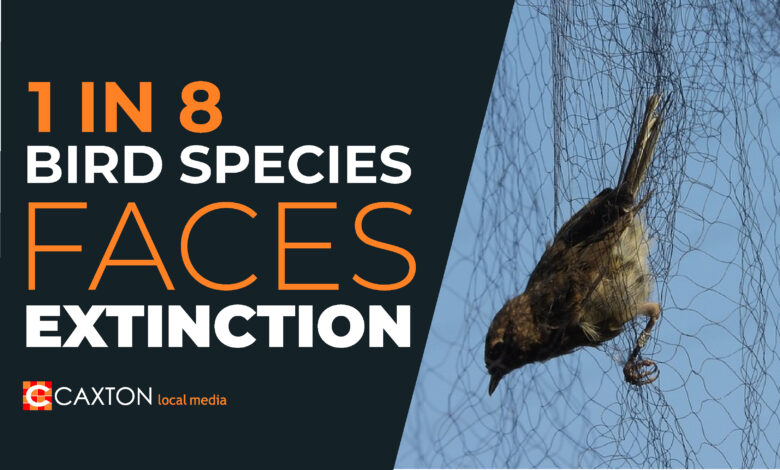
The recently released State of the World’s Birds report by BirdLife International paints a grim picture of the status quo in 2022. Nearly half of the world’s bird species are in decline, while one in eight face extinction.
The report pinpoints the key drivers of the worldwide decline as the following:
– Agriculture: Habitat encroachment and the increasing use of machinery and chemicals have impacted at least 73% of threatened species.
– Logging: More than seven million hectares of forest are lost every year, affecting nearly half of all threatened species.
– Climate change: More than 30% of threatened species are impacted by unprecedented levels of storms, wildfires and droughts.
Of the 762 bird species in South Africa, 132 are listed in the 2015 Eskom Red Data Book of Birds of South Africa, Lesotho and Swaziland, which assesses the extinction threats birds face. According to BirdLife South Africa (BLSA), it is in the process of updating this information and the indications are that the situation has likely deteriorated for some species.
South Africa’s coastal seabirds – including the Cape gannet, the 2022 Bird of the Year – are facing particularly high threats. The conservation status of these birds reflects the probability of the species going extinct:
- Bank and Cape cormorants: Endangered
- African penguin: Endangered
- Martial and tawny eagles: Endangered
- Black harrier: Endangered
- Secretary bird: Endangered
- Botha’s lark: Endangered
- White-winged flufftail: Critically Endangered
- Most vultures (excluding palm-nut vultures): Critically Endangered.
The International Union for Conservation of Nature justifies the classification of a particular species as ‘Endangered’ when it has undergone a large population reduction over the past three generations and is projected to continue to decline rapidly over the next three generations.
BLSA says the major threat to the country’s coastal birds is the competition for food sources with the commercial fishing industry. Other threats include marine noise and ship-based pollution, such as fuel and oil spills. Habitat loss is a driver for the decline in the number of terrestrial birds in South Africa.
Vultures are particularly vulnerable as they face a range of threats, from poisoning by poachers, accidental poisoning through control of agricultural pest species, lead poisoning (from bullets in carcasses), use in traditional medicines and collisions with powerline infrastructure and wind turbines. These threats are shared by a variety of other large-bird species, such as cranes and bustards.
Despite the desperate state of affairs, there is hope. Concerted conservation efforts have shown how species can be saved. In the past 10 years, 726 globally threatened bird species have directly benefitted from the co-operation between BirdLife International’s more than 115 national partners, while 450 Important Bird and Biodiversity Areas have been designated as protected areas.
BLSA echoes this, saying biodiversity stewardship, working with private landowners to manage their properties so they are bird and biodiversity-friendly, is a major conservation tool. To this end, the organisation has added 200 000ha to the conservation landscape in South Africa.
According to BLSA, environmental education and awareness are also important to reach the public and young people, and to extend conservation work beyond existing frameworks to be inclusive of all South Africans.
The State of the World’s Birds not only highlights the plight of the avian world, but birds are also key indicators of the health of ecosystems and threats to broader biodiversity.
With the UN Biodiversity Conference (COP 15) taking place in December in Montreal, Canada, BirdLife International CEO Patricia Zurita has been quoted as saying, “Birds tell us about the health of our natural environment; we ignore their messages at our peril … While the Covid-19 pandemic and global cost of living crisis have undoubtedly diverted attention from the environmental agenda, global society must remain focused on the biodiversity crisis.”
This biodiversity crisis will be firmly in the spotlight at COP 15. At the top of the list of the 21 targets set for 2030 is the conservation of at least 30% of land and sea areas globally, and the restoration of at least 20% of degraded freshwater, marine and terrestrial ecosystems.
Read original story on rosebankkillarneygazette.co.za

