
World Rabies Day: Take action and prevent the spread
The director of Four Paws in South Africa, Fiona Miles, says vaccination and increased awareness can help combat the deadly virus.
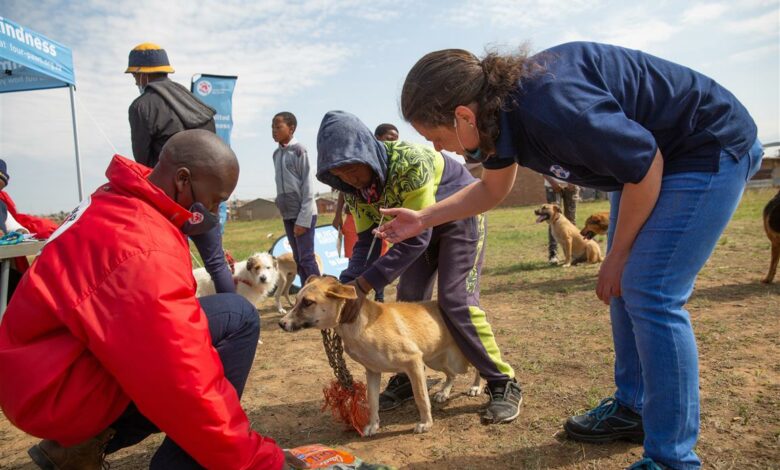
Today, people all over the world celebrate the day of global advocacy and awareness for one of the world’s deadliest viruses – rabies.
Rabies is still prevalent in South Africa as National Institute for Communicable Diseases spokesperson Lesego Sibilanga confirms 10 human deaths have thus far been reported in the country this year.
She explains that five of these laboratory-confirmed rabies cases were in the Eastern Cape, while three were recorded in Limpopo and two in KZN.
These provinces as well as Mpumalanga are the four known source areas of canine rabies, Sibilanga adds.

She says as recent as August, rabies were reported in two children from the Eastern Cape. With these statistics in mind, Four Paws South Africa director Fiona Miles urges citizens to take the necessary precautions to prevent the spread and protect their animals and themselves.
Miles explains once there are clinical symptoms, rabies is a fatal viral illness for both humans and animals.
“However, vaccination and increased awareness of people at risk can completely prevent the spread of rabies. This emphasises the need for more funding for annual mass dog vaccination efforts. To prevent human cases, the World Health Organisation recommends a coverage rate of 70% for dogs in a population. At this percentage, herd immunity will prevail.”
On #WorldRabiesDay, let us take a pledge to fight rabies so that no one dies because of this disease.
Get your pets vaccinated & take other necessary measures to prevent rabies. pic.twitter.com/BrfDkcB4T6
— Dr Mansukh Mandaviya (@mansukhmandviya) September 28, 2022
The World Health Organisation classifies rabies as one of several neglected zoonotic diseases that affect marginalised populations in low resource settings.
According to them, 59 000 deaths of human rabies occur annually in more than 150 countries. The Community and Veterinary Services for South Africa notes that only 15% of animals are regularly vaccinated against rabies.
“Rabies education and good communication with dog owners are the cornerstones of a successful rabies campaign,” Miles adds.
Earlier this month, Four Paws was part of a sterilisation and animal welfare campaign in which 150 cats and dogs were inoculated against rabies and sterilised at an isolated community in Bitterfontein, Namaqualand.
“Most members in this community have very little or no income, and no transport. We believe healthy animals are vital to healthy communities, and that is why pet population control and control of diseases by vaccination is critical,” she adds.
The national plan for eliminating dog-mediated rabies, which will run up to 2030, focuses on improving animal surveillance in rabies-stricken areas. Sibilanga confirms that although rabies can be prevented by vaccination, South Africa has been unable to stop continuous outbreaks in hot-spots in the Eastern Cape, Limpopo and KZN.
Today is #WorldRabiesDay,This year marks 16th World Rabies Day Theme ‘Rabies: #OneHealth, #ZeroDeaths’ will highlight connection of environment with both people& animals.
Get your pets vaccinated and receive&primary treatment for your sick pets at your nearest Vet or State Vet. pic.twitter.com/2OVWzfpr0X— GP_AgricRuralEnviro (@OfficialGDARD) September 28, 2022
“South Africa’s strategy to eliminate dog-mediated human rabies by 2030 is based on the Global Framework For the Elimination of Dog Mediated Human Rabies (Zero by 30 strategy) developed jointly by the World Health Organisation, the World Organisation for Animal health, and the Food and Agriculture Organisation of the United Nations in Geneva in 2015,” explains Four Paws press officer Elize Parker.
She says the organisation calls for the holistic One Health approach to include rabies in an international treaty on pandemic prevention and response. “This will be vital to ensure we tackle the root causes of zoonotic disease transmission at the source and will enable a much-needed paradigm shift in how we treat animals moving forward,” she concludes.
Read original story on letabaherald.co.za

