
Youth speak out: ‘Where you were born does not define what you will become’
This Youth Day, young people reflect on daily struggles, from unemployment to service delivery failures, saying that meaningful change will only come when leaders deliver tangible results.
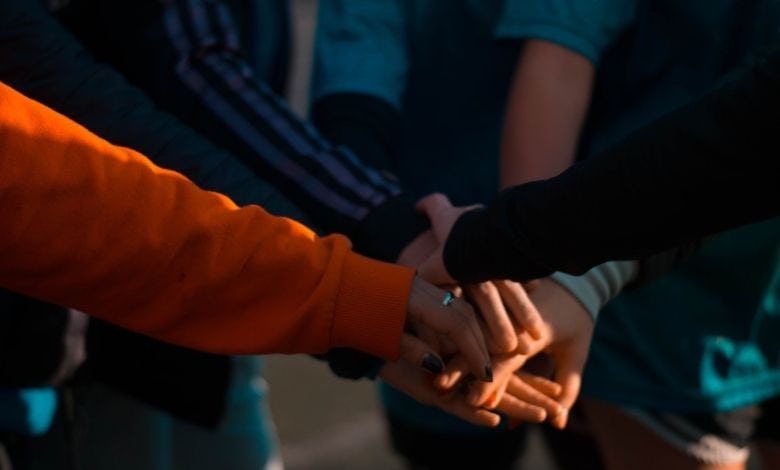
Fifty years ago, the youth of Soweto took to the streets in protest against an unequal education system. Their courage on June 16, 1976, sparked a movement that changed the course of South African history and established young people as drivers of change.
In contrast, today, many young people are grappling with unemployment, poverty, crime, poor service delivery and a lack of opportunities.
As the country heads towards the local government elections on November 4, young South Africans say they want more than promises. They want leaders who listen, deliver on commitments and create meaningful opportunities for the next generation.
Attiya Songo (22), from Lenasia, says youth face a myriad of challenges such as poor mental health and a lack of access to basic amenities.
Under strain
“We are also having difficulties in education at both secondary and tertiary levels due to issues such as funding, proximity to institutions and the challenge of coping with academic workloads and unemployment,” she explains.
For Songo, these issues do not occur in isolation but intersect in ways that place immense strain on young people.
She says she does not feel represented in the country.
“As hopeful as I am when hearing the emphasis on empowering youth to drive the change that is so urgently needed in our country, it often feels rhetorical. There is plenty of talk and excitement about youth being changemakers, but very little action in creating the opportunities and platforms needed for us to put our ideas and innovations into practice.”
Being one of thousands of young people who are qualified but unemployed, Songo says she will only feel represented when youth unemployment is meaningfully addressed.
Right leaders
Songo believes that by voting, young people can put the right leaders in power and hold them accountable.
“As young people, we are tired and frustrated, and we are no longer falling for the theatrics and empty promises. In my community, I would love to see improvements to our roads and service delivery,” she says.
Songo adds that she is dealing with electricity and water supply challenges.
“The drainage system in Lenasia is highly problematic because, after heavy rains and storms, roads become flooded. People lose easy access to their homes and travel routes, which prevents some from getting to work and children from getting to school,” she explains.
When asked what she would like to raise with local leaders ahead of the elections, Songo says: “How visible are you going to be once the elections and post-election hype die down?”
If she could change one thing in the country, it would be corruption.
“To get rid of corruption, or at least make meaningful progress in removing corrupt officials, the entire government infrastructure needs to be reformed.”
Lack of skills development
Thabang Ramashia (18), who is from Pretoria but is studying in Stellenbosch, says unemployment and a lack of skills development opportunities stand out as the most pressing challenges for youth.
“These leave many young people without a stable income or a sense of security,” adds Ramashia.
He hopes that voting will help bring about change, including reducing corruption among ward councillors and creating more employment opportunities.
Like Songo, Ramashia does not feel represented in South Africa.
He believes this can be changed by increasing the number of young members in Parliament and employing younger government officials.
If given the opportunity to ask his councillor one question, Ramashia would ask: “Do they believe what they tell people during election campaigns?”
If he could change one thing in the country, it would be immigration policy.
“South Africa needs a tighter and more secure immigration policy that is effectively enforced by the Border Management Authority and the police.”
Concerns not taken seriously
Mandisa Londeka Thwala (21) from KZN agrees that unemployment is the biggest challenge.
“Many young people are qualified but cannot find work. Crime, substance abuse and poverty arise from this challenge, which greatly affects the community.”
Thwala believes she is ‘not completely’ represented in the country.
“While young people are the future, our concerns are often not taken seriously enough. Many decisions are made without meaningful engagement with young people,” she explains.
For Thwala, voting still matters because she believes it is one of the ways citizens can influence change and hold leaders accountable.
Asked what she would ask local leaders before the elections, Thwala says: “What specific plans do you have to create opportunities for young people, and how will you ensure those plans are implemented and measured?”
If she could change one thing in South Africa, it would be to ensure the creation of more opportunities for young people through skills development programmes that cater to all levels of qualifications and talent.
Thwala believes greater access to opportunities would help address many social challenges by creating pathways to employment and personal growth.
“Where you were born does not define what you will become. Education is the most powerful tool any young person can have. If a young person has the opportunity to dream and believe, then they can achieve that dream. One door can open to endless possibilities,” she adds.
Then and now
Professor Susan Booysen, a political analyst, says contemporary youth in South Africa build on the gains of 1976.
“They embrace and respect the freedoms and rights that generation helped achieve. They also recognise, however, that the times and the cultures of participation and voting have changed,” explains Booysen.
She says that in 2026, there is no longer an ‘enemy government’, but rather a government that is expected to demonstrate empathy and deliver progress.
“The youth of today find it frustrating and confusing that poverty and unemployment, their two main areas of concern, are rife and continue to grow. They have seen government, and more broadly political parties, make large numbers of promises to address these debilitating issues, yet many people remain left behind,” she adds.
The youth engage, says Booysen, but often not through voting because there is distrust in the political system and in the electoral process.
Significance of the youth vote
“South African democracy has moved beyond the point where voting is simply about giving a passive mandate to a party or coalition to implement promises on behalf of citizens. Voters, including young people, must use their vote to ensure that the most desirable of the available parties is elected.”
Booysen says citizens must thereafter hold elected parties to account through a combination of voting and social activism.
“The rights that were secured through the struggles of 1976 cannot be assumed to continue simply because a particular party is in power, or because rates, taxes and services are being paid for or subsidised by government. With the ‘wrong’ party in power, delivery can diminish or disappear.”
Trends
“Young people the world over participate and vote less than older generations. From the mid-20s, voting behaviour tends to increase, peak in the 40s, and remain relatively high into the 60s. This is a lifecycle effect, as young people finish education or settle into careers.”
However, she says that with so many young people in South Africa, despite social assistance and access to post-secondary education, not gaining entry into stable career paths or escaping poverty, another possibility emerges – revolt and protest.
“Revolt and protest in South Africa have gained a reputation for bringing more direct and tangible benefits than the indirect form of electoral participation.”
Concerns
“Given the high levels of poverty and unemployment, despite many young people emerging into impressive careers and achievements, young people feel frustrated, disappointed and often disillusioned. This affects their trust in electoral democracy. They find it difficult to see ways in which democracy has worked for them,” she explains.
Booysen says that instead of seeing the gains of a liberation movement in power, they question whether there is any party worth voting for and become cynical about the value of voting.
Low turnout
“Hence, the future of democracy in South Africa depends on a dramatic improvement in the substantive developmental project of government. Large numbers of youth believe they have ‘seen it all’ when it comes to political and election narratives.”
She says campaign promises are often rejected because they have not materialised in previous election cycles. Proof of voting, she adds, will only come through concrete government delivery.
She warns that low youth turnout would be an indication of a ‘democracy under threat’.
“Voting means electoral demands are channelled through safe, procedural systems of governance, and that there is, in fact, a contract between government and participating citizens. In the absence of electoral participation, disruptive or violent expressions may begin to dominate.”
She explains that this could further weaken already fragile state institutions, including at local level.
“South Africa is at a unique and invidious position in its post-liberation trajectory where citizens, and youth in particular, may have to suspend their disbelief in voting processes and outcomes, and increasingly take greater control to, in effect, rescue the 1976 project.”
Register to vote
This weekend (June 20 and 21), voting stations will be open for those who need to register or update their details on the voter’s roll. If you want to register or check your details, get your identity document ready and visit registertovote.elections.org.za.
Breaking news at your fingertips… Follow Caxton Network News on Facebook and join our WhatsApp channel.
Nuus wat saakmaak. Volg Caxton Netwerk-nuus op Facebook en sluit aan by ons WhatsApp-kanaal.
Read original story on www.citizen.co.za

