Ford’s century-long legacy in South Africa: a journey through time
Discover this American manufacturer’s remarkable 100-year history in South Africa, from the early days of the Ford Model T to the award-winning Rangers of today. Explore the milestones, innovations and the people who shaped this enduring legacy.
In a fast-paced, interconnected world, it’s challenging to imagine life a century ago without the modern conveniences we now take for granted.
Ford has played an integral role in South Africa’s history since establishing its local operations in 1923, boasting a proud tradition of pioneering achievements and industry milestones over the past century.
The birth of Ford: 1903
In 1903, the same year as the Wright brothers’ groundbreaking flight at Kitty Hawk, engineer Henry Ford founded the Ford Motor Company. With a modest capital of just $28 000, Ford embarked on its journey, setting the stage for a century of innovation.
The Model T Revolution: 1908-1920s
The iconic Model T, launched in 1908, became a global sensation, thanks to Henry Ford’s commitment to affordable motoring. In 1913, Ford introduced the pioneering moving assembly line, revolutionising vehicle production worldwide.
The South African connection: 1923
Henry Ford appointed Arkell & Douglas in Port Elizabeth as the company’s agents for Ford cars in South Africa. This strategic move marked the country’s importance in Ford’s global ambitions.
Local assembly: 1924
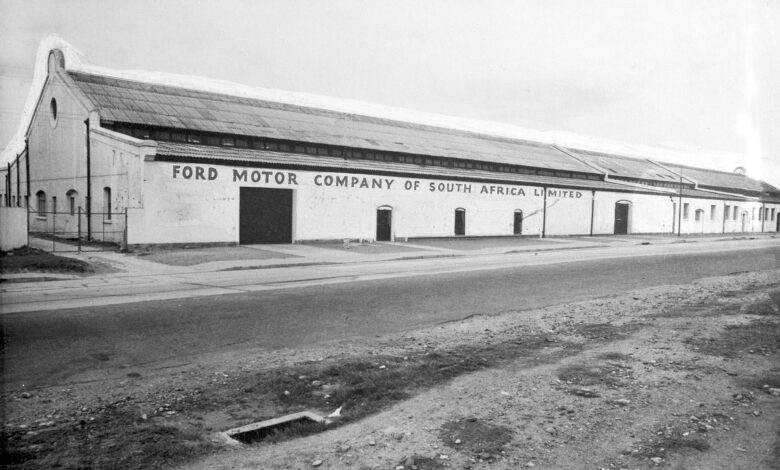
In November 1923, the Ford Motor Company of South Africa was founded in Port Elizabeth, and local assembly operations began on January 19, 1924. The Model T was the first locally assembled vehicle, introducing South Africa’s initial assembly line.
Expanding footprint: 1930s-1940s
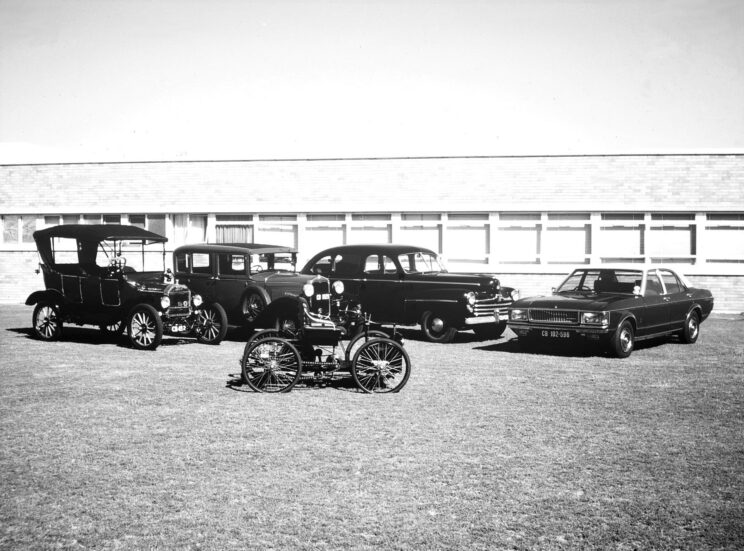
Ford relocated to a new factory in Harrower Road in 1930, expanding over the years. During World War II, Ford played a significant role in supporting the Allied campaign, producing thousands of vehicles.
Decades of innovation: 1950s-1960s
Ford’s Harrower Road facility continued to grow, and in 1962, significant investments were made in domestic automotive production. The Struandale Engine Plant was inaugurated in 1964.
SAMCOR era: 1985
Amid political upheaval, SAMCOR was formed in 1985, taking over Ford’s local operations. This move led to all of Ford’s vehicle assembly operations being consolidated in Silverton.
The new millennium: 2000s
In 2000, Ford gained full ownership of SAMCOR and established the Ford Motor Company of Southern Africa. The first-generation Ranger was unveiled in the same year, leading to the central nameplate that defines Ford today.
Ranger’s triumph: 2010s
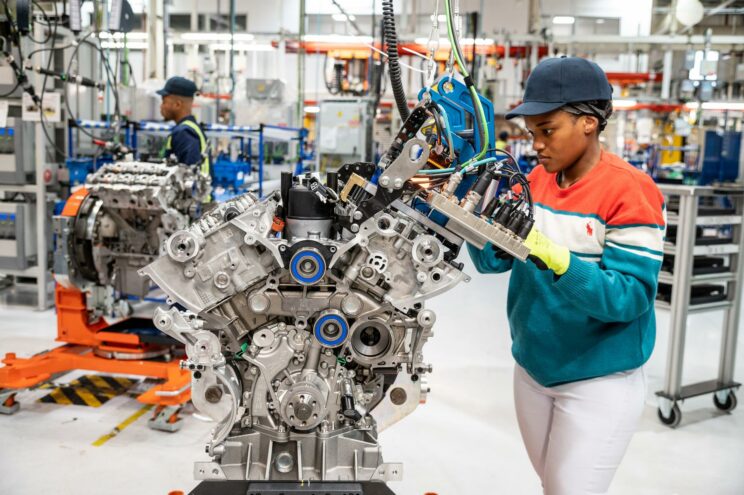
Ford invested significantly in the new Ranger, setting new benchmarks for design, safety and performance. The Ranger also became the first pickup to achieve a five-star Euro NCAP safety rating.
A sustainable future: 2020s
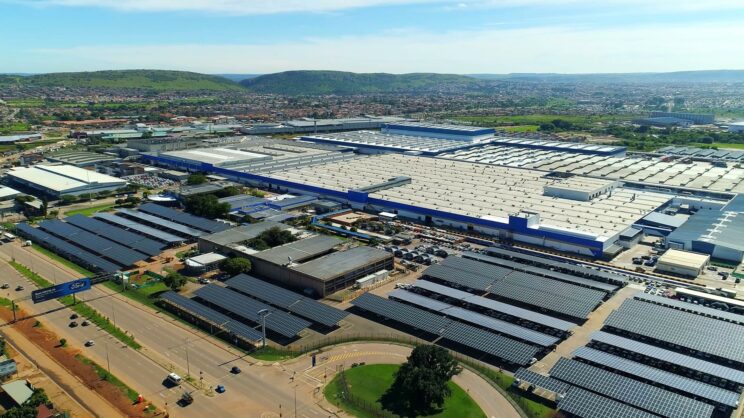
In 2021, Ford invested R16.8b to modernise its Silverton operations, doubling production capacity. The plant also adopted solar energy, making it one of the largest solar PV carport installations globally.
Ford’s legacy continues
As the manufacturer celebrates its centenary in South Africa, it is an opportunity to reflect on an extraordinary history. Beyond products and achievements, it is the people, dealers, customers and communities who have defined Ford’s legacy, promising exciting chapters in the Blue Oval’s next century.
Source: QuickPic