Documents reveal that Prasa tapped into the Airports Company of South Africa's (Acsa) panel of security contractors in July 2021.
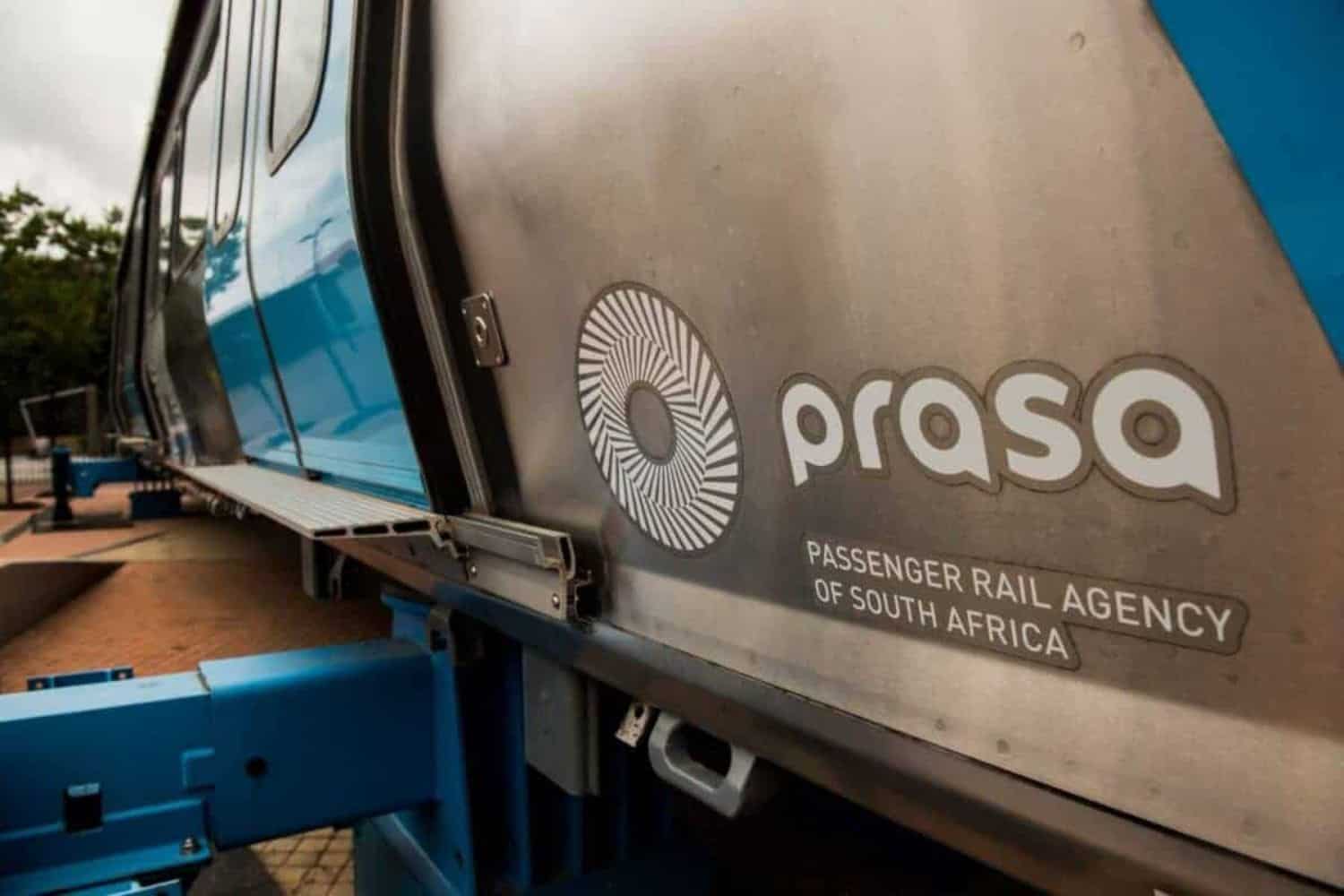
A Passenger Rail Agency of South Africa (Prasa) train. Picture: Gallo Images/Deon Raath


A politically connected security group allegedly led by ANC veteran Paul Langa has extracted more than R1 billion from the Passenger Rail Agency of South Africa (Prasa) through a procurement arrangement now under scrutiny by the National Treasury.
Documents reveal that Prasa tapped into the Airports Company of South Africa’s (Acsa) panel of security contractors in July 2021, allowing Reshebile Aviation & Protection Services (RAPS) to secure lucrative work.
Treasury
RAPS, later liquidated, and its sister company Reshebile Aviation Solutions (Ras) benefited from what Treasury has described as an unlawful “piggybacking” arrangement, according to the Sunday Times.
The paper reported that a senior Treasury official confirmed that the regulation permitting one state entity to piggyback on another’s contracts does not apply to Acsa or Prasa.
The official pointed to a KwaZulu‑Natal (KZN) High Court ruling six years ago that set aside a similar deal involving Acsa and RAPS, declaring it unlawful.
“This arrangement could face fresh scrutiny, including by the auditor‑general, thanks to the reporting,” the official said.
Prasa
Invoices obtained show RAPS was billing Prasa between R16 million and R18 million monthly. By the time it was liquidated in March 2024, Prasa had paid the company more than R550 million. After RAPS collapsed, Prasa shifted the work to Ras without a procurement process or service‑level agreement. Ras, incorporated in 2020, was not on Acsa’s panel.
Prasa spokesperson Andiswa Makanda defended the agency’s conduct, insisting Treasury had advised that piggybacking principles could be imported into Prasa’s supply chain framework.
“Prasa accordingly updated and approved its supply chain management policy and procedures to provide for participation in contracts competitively awarded by other organs of state,” she said.
Evaluation reports
Makanda argued that Prasa had not appointed RAPS directly but invited all seven companies on Acsa’s panel to participate in a Prasa‑specific process, with six responding. However, the rail agency declined to release evaluation reports or scorecards underpinning the process.
Critics say Prasa effectively relied on a procurement system designed for airport security, despite requiring protection for rail operations. Makanda dismissed this, claiming the functions were comparable.
“The underlying security functions were sufficiently similar,” she said.
Langa
Company records confirm RAPS and Ras are separate entities with different registration numbers, raising questions about how Ras inherited RAPS’s work.
Sources said Prasa only requested Ras’s VAT number and compliance documents in September 2024 – more than two years after it began receiving payments.
Langa is a former Robben Island prisoner and ANC stalwart. The Citizen has reached out to the ANC for comment.
The revelations cast fresh light on how Prasa’s procurement practices allowed a politically connected group to pocket more than R1bn, despite clear warnings from Treasury and the courts that such piggybacking arrangements were unlawful, according to the paper.