


All projects remain formally recorded, governed and managed regardless of delays or contractual challenges, says the DID.
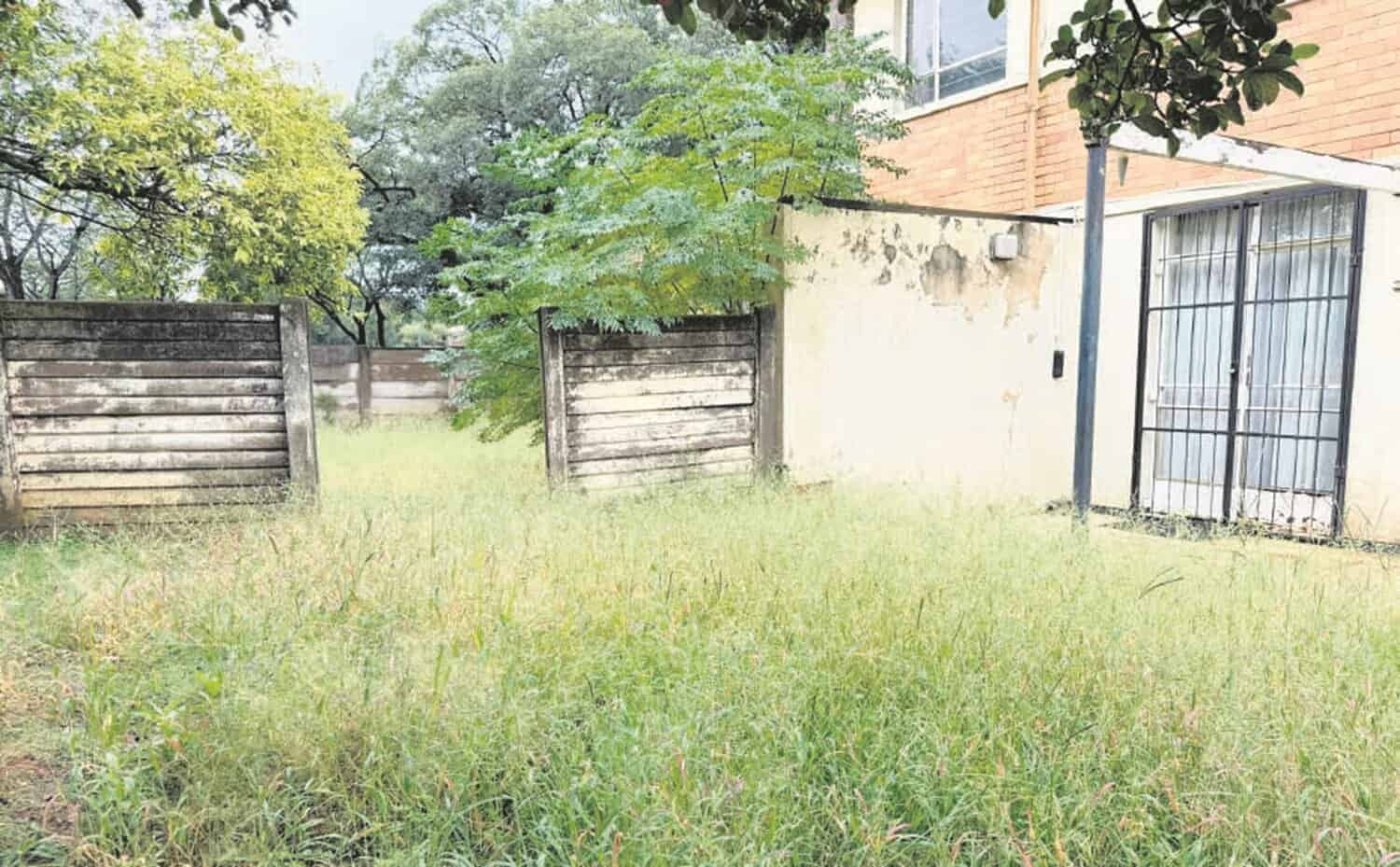
For referance purposes only. Picture: Supplied/File Photo.


The Gauteng Department of Infrastructure Development (DID) has refuted reports that it lost close to R1 billion on “unfinished schools.”
The Sunday Times reported that almost a billion rand had been invested in school upgrade projects in Gauteng, but only two would be handed over – “with others stalled or abandoned.”
Financial crisis
According to the paper, the province’s infrastructure department’s ability to deliver was undermined by a financial crisis and more than 90 litigation cases worth about R2 billion, with contingent liabilities estimated at R800 million.
Of the two schools set to be handed over to the Gauteng Education Department when schools reopen this week, one is a project that began a decade ago, and the other was meant to be completed and delivered five years ago.
ALSO READ: Matrics, your results will be published in newspapers: This is what you need know
Abandoned projects
This limited handover comes against a backdrop of stalled, abandoned and repeatedly delayed projects, some launched as far back as 2016, despite hundreds of millions of rand already paid to contractors, according to the paper.
The financial crisis apparently forced the department to establish a panel of “rescue contractors” to take over incomplete projects and to retain a law firm to deal with problematic service providers.
However, the delays left communities frustrated and pupils paying the price, as former community pillars have been reduced to temporary classrooms unsuitable for learning, the paper reported.
‘Gauteng has not lost’
Theo Nkonki, spokesperson for the MEC of DID Jacob Mamabolo, denied the claims by the weekend paper.
“Gauteng has not ‘lost’ R1 billion, nor does the department have any category of ‘abandoned projects’. No school project is written off, deserted or left unaccounted for. All projects remain formally recorded, governed and managed regardless of delays or contractual challenges,” said Nkoki.
ALSO READ: Back to School: Concerns raised about escalation of private school fees
Infrastructure projects
Nkonki said infrastructure projects are multi-year, delivered within the Medium-Term Expenditure Framework (MTEF), with expenditure occurring across financial years in line with approved budgets, milestones, and delivery stages.
“Project delays or contractor failure do not equate to lost public funds.
“Six months ago, the Department implemented a comprehensive Turnaround Strategy to directly address historic weaknesses in infrastructure delivery. Central to this is the Project Readiness Matrix (PRM) ecosystem, which integrates digital oversight, governance enforcement and delivery recovery,” Nkonki said.
Community frustrations
He said this includes several initiatives.
“The Infrastructure Delivery Platform (iDEP) for real-time tracking and risk monitoring; the Infrastructure Governance Lab (IGL) for compliance and consequence management; a panel of Turnkey Rescue Contractors to recover stalled projects and protect SMMEs; a multidisciplinary A-Team deployed to unblock projects and enforce standards; and strengthened intergovernmental and stakeholder coordination.
“While the department acknowledges community frustration caused by delays, it is inaccurate and irresponsible to suggest that schools have been abandoned or that public funds have been lost. Every project and every rand remains subject to audit scrutiny, legal process and recovery action,” Nkonki said.
Nkonki said the DID remains “committed to delivering infrastructure efficiently in line with the Turnaround Strategy.”
ALSO READ: Teachers forced to live in abandoned, dilapidated school building
Support Local Journalism
Add The Citizen as a Preferred Source on Google and follow us on Google News to see more of our trusted reporting in Google News and Top Stories.

