Cape Town has over 490 000 households on its housing assistance database, while the province as a whole has a backlog of 750 000.
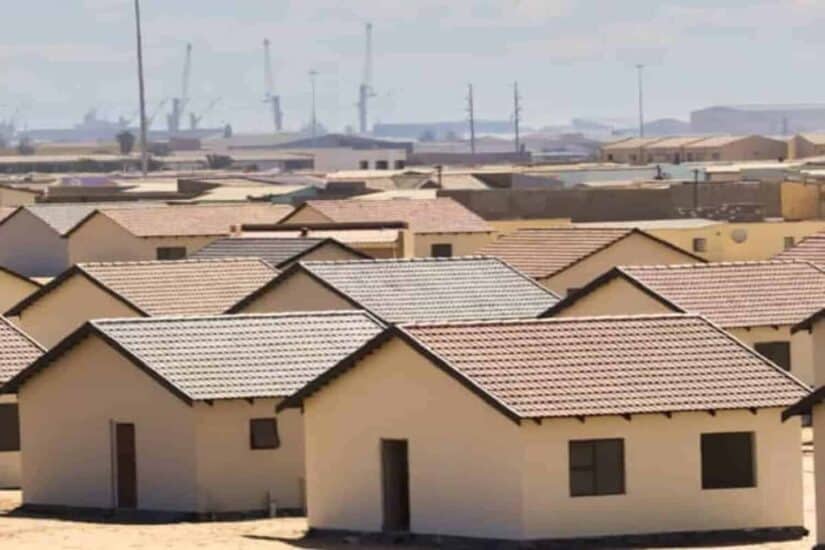
Image for illustrative purposes. Picture: iStock


Cape Town’s geography leaves limited space for the development of social housing, but the demand is growing exponentially.
Figures shared by the Department of Human Settlement (DHS) show there are 817 households registered on the housing demand database for every hectare currently identified for affordable housing.
The department states that the Cape Town municipality has 600 hectares – six square kilometres – on 120 land parcels that have been identified for social housing.
Of those, 400 hectares were “being prepared for implementation and release to the market” and completed projects covered 40 hectares.
While just over 6 000 units had been built on those 40 hectares, 160 000 households had been added to the register in the last five years alone.
Almost 500 000 households registered
The details of Cape Town’s social housing backlog was the subject of a recent response to a written parliamentary question.
DHS stated that roughly 21 000 units are estimated to be built on the available land, but the total backlog is close to 500 000 households.
Of those, 120 838 were registered over 20 years ago, with a further 370 063 added since then.
DHS stated it was difficult to gauge when the backlog could be addressed, noting limitations in budget and land availability.
The department said it had alternatives to respond to a range of housing needs, most notably subsidy-funded housing developments.
“This delivery model is increasingly challenging to implement in well-located urban areas where land is scarce, costly and often more appropriately developed at higher residential densities.
“In addition, the level of national housing grant funding available is insufficient to address the scale of the existing backlog and future demand within a reasonable timeframe,” DHS wrote.
Several stalled projects have also delayed the small gains against the backlog, with at least 2 500 units trapped in delayed developments.
“The estimated development cost of the affected social housing projects is approximately R4 billion and the extent of Consolidated Capital Grant funding is R1 million,” DHS confirmed.
Western Cape housing
While Cape Town’s backlog is just over 490 000, the provincial government stated the province’s figure was around 750 000.
However, Western Cape infrastructure MEC Tertius Simmers last week clarified that the housing assistance database was fluid.
He stated that housing programmes in the province included informal settlement upgrading, subsidised homes, social housing, title-deed transfers and others initiatives that constantly re-evaluated qualifying beneficiaries.
“Being registered does not automatically mean that a household currently qualifies for a particular housing subsidy or project.
“This is precisely why residents need to keep their information updated and why beneficiary verification is so important.
“Verification is not about removing deserving people from the system. It is about making sure that scarce housing opportunities reach the correct qualifying beneficiaries,” stated Simmers.