The Johannesburg municipality will receive over R3.7 billion in two payments but city may have too many debts to cover.
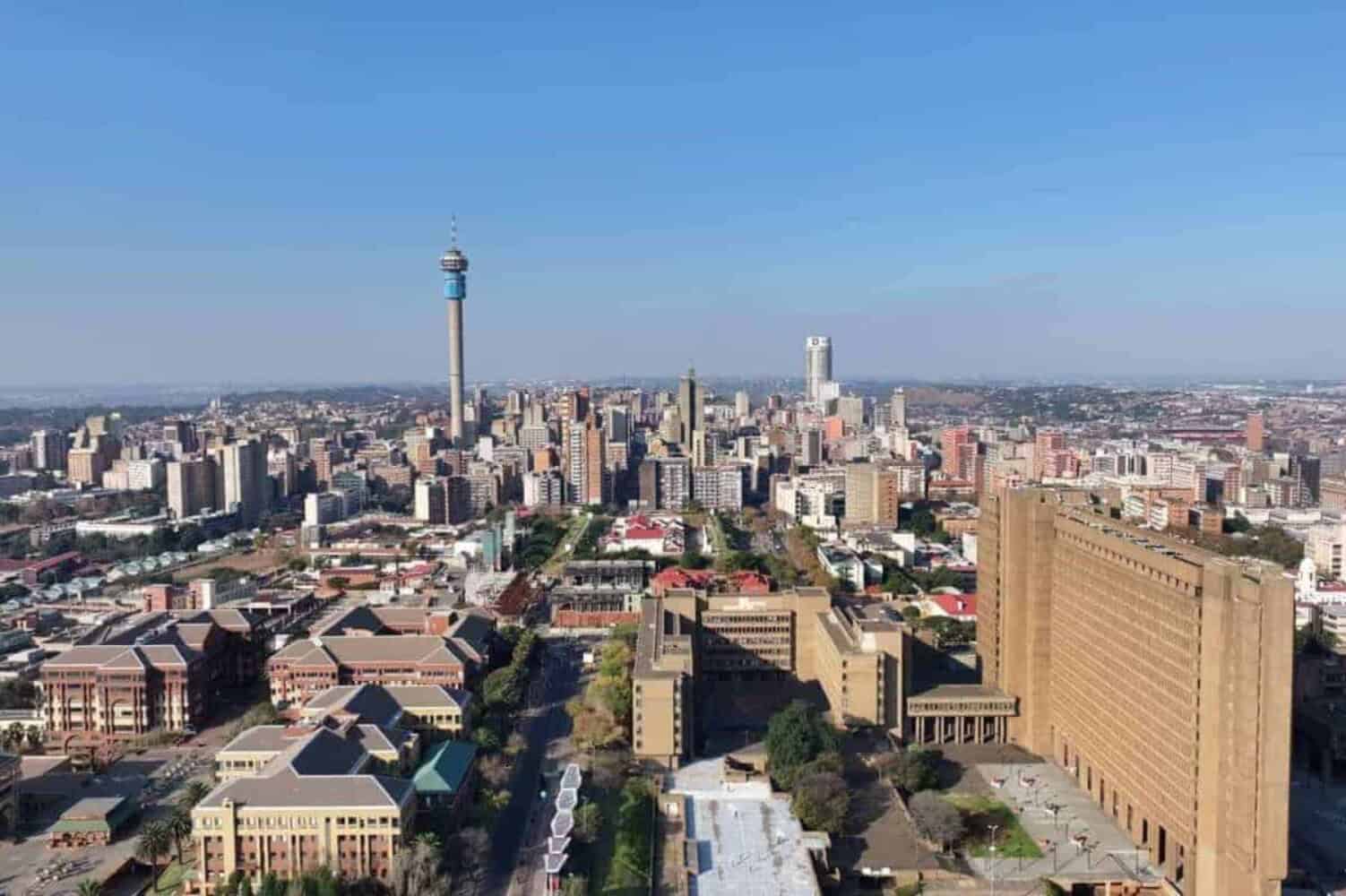
A view of the Johannesburg CBD. Picture: iStock


The Johannesburg municipality will be receiving its equitable share grant from National Treasury, but it may not be enough to keep the lights on.
A joint standing committee on finance, appropriation and public accounts on Friday heard that Johannesburg was one of at least 27 municipalities that would receive its equitable share grants from National Treasury, either partially or in full.
While the country’s economic heartbeat has been temporarily spared, the committee heard how at least 14 municipalities had a negative cash balance, unable to cover monthly liabilities.
Johannesburg not in the clear
Earlier in July, Treasury announced it would withhold the equitable share of 69 municipalities due to the excessive waste of public funds.
JoburgCan Executive Director Julia Fish said she had been told by municipal officials on Thursday that R2.6 billion had been paid to the city, with a further R1.1 billion expected.
“They submitted recovery plans to Treasury, and the funds are being released. The payments of the equitable share don’t happen monthly, but in three instalments throughout the year,” Fish told The Citizen.
Fish said the grant was predominantly a social safety net, saying that Johannesburg’s use of it to cover debts was an indictment of the city’s financial management.
“The equitable share is supposed to support indigent households and subsidise people’s constitutional right to services. However it is being used to pay bills.
“The first payment was used to pay the current account for bulk water to Rand Water,” claimed Fish.
Johannesburg is far from in the clear, with Fish highlighting that Eskom will make its decision on Johannesburg’s R5 billion debt by 28 July.
“We wait with bated breath over Eskom’s announcement now that the public participation period has ended as to whether or not they will switch off Joburg over unpaid bulk electricity purchases.
“This is the reality of poor cash flow and the delayed equitable share because they needed to pay the power current account with that income too,” Fish explained.
“Unless collection rates remain stable, the non-revenue losses are reduced, and vanity projects are stalled, the City will likely be shut off by suppliers, or the amount of overdue invoices will cripple the next administration, which is already at risk,” said Fish.
‘The only liquidity they have left’
A presentation given by the Financial and Fiscal Commission (FFC) to the committee detailed the debt levels of the country’s worst municipalities, but criticised Treasury for removing the vital lifelines.
FFC chairperson Dr Nombeko Mbava argued that the grant was a schedule three unconditional grant that could not be arbitrarily withheld.
“The executive may withhold conditional grants, but the unconditional equitable share can only be stopped by Parliament.
“Calling a stoppage a temporary withholding cannot bypass parliamentary oversight,” said Mbava.
She explained that withholding the equitable share would have severe “human consequences” that were already playing out in the smaller municipalities.
“To stop that transfer is to remove the only liquidity they have left. The first casualties are not the councillors, or salaries of officials, they are the water treatment chemicals, the bulk electricity and the indigent subsidy.
“The withholding then transfers the sanction from the officials who caused the breach, to the residents who did not,” said Mbava.
Mountains of debt
As of the recent expected grant payments, 15 municipalities did not have enough money to cover one month’s expenses, with another six unable to clarify their cash flow positions.
Of these, 14 had a combined cash deficit of R4.65 billion, however, R11.6 billion was owed to the municipalities by other government entities.
The municipalities in question are owed R217.9 billion in total, but 89% of that amount is considered ‘stale’, as in over 90 days in arrears
The FFC considered the Free State “underwater” as it was the only province owing more than it was owed – R41.6 billion owing against R37.9 billion owed.
Gauteng was the largest indebted province with R98 billion owed to its municipalities, with Emfuleni running a R1.2 billion cash deficit.
The Gauteng office of the South African Local Government Association (Salga) agreed that withholding the equitable share would deepen service delivery challenges in the province and asked Treasury to consider each municipality’s unique circumstances.
“Many municipalities rely on these allocations to provide basic services, support indigent households, meet operational commitments and honour payment arrangements with suppliers.
“Financial sanctions should not create a cycle in which municipalities become less able to address the very compliance shortcomings they are required to resolve,” Salga said.