


As Cyril Ramaphosa’s term edges towards a political cul-de-sac, the ANC faces a choice: either preserve the status quo or usher in new leadership.
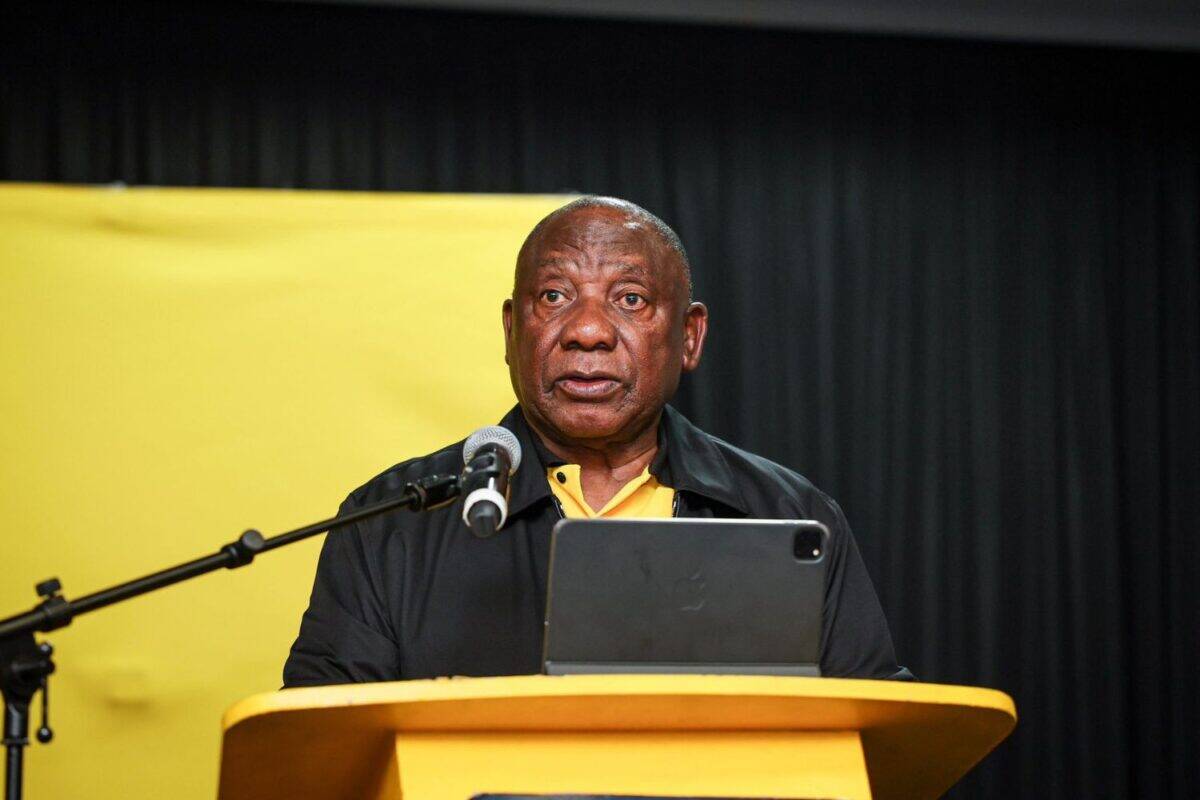
President Cyril Ramaphosa. Picture: ANC


International relations captivate the imagination, prompting fresh debates and shifting alliances, unlike local politics often mired in stagnation and recycled faces rehearsing the same tired issues.
For instance, how do you explain the former national director of public prosecutions, advocate Menzi Simelane, being among candidates shortlisted for the same job after he was disgracefully shown the door for incompetency, lacking integrity and being dishonest, among others, by the Ginwala inquiry.
Also, how could former president and founder of uMkhonto weSizwe (MK) party, Jacob Zuma, still be on trial for more than 20 years, with little hope that this will be concluded.
The matter comes on and off the court rolls and then it’s one postponement after another while he continues with his Mshini wami song and dance, 20-plus years on.
By the same vein, many people who were implicated in corruption by the Zondo commission of inquiry into state capture, corruption and fraud, and other processes, continue with business as usual – as if nothing happened, saying: “I am innocent until proven guilty.”
It as if the phrase is only about innocence and not containing guilt within. A proper definition of this term, when the coin is flipped, should also mean you are guilty until proven innocent.
ALSO READ: Ramaphosa talks, but it’s the ANC that fails the nation
But South Africa is a unique country – corruption is glorified and the disgraced are hero-worshipped like MK party MP Vusi Shongwe, who saw convicted criminal and attempted murder suspect Vusimuzi “Cat” Matlala as a hero deserving the name, grootman (township slang for “big man” or “my hero”).
Astonishingly, those charged with serious allegations of graft often attract massive crowds at their trials, who come out to show their support for the accused.
When Zuma was first indicted in the multibillion-rand arms deal and got fired as then deputy president by his former boss, Thabo Mbeki, he became an instant hero of many, to the extent of being elected as the ANC president, and head of state later by ANC MPs.
Only later did some realise their hero was an emperor with no clothes and Nicodemusly visited Mbeki, with cap in hand, to apologise.
This is a clear sign that our society has become so gullible that they regard any wrong as right and right as wrong.
There might be a bid to arrest the chaotic setup as rumours abound of behind-the-scenes ANC party debates aimed at reversing the slide, recalling state presidents once they lose internal elections, or when their party terms expire.
ALSO READ: ANC denies claims of a plot within the party to recall Ramaphosa
Supporters hope to see President Cyril Ramaphosa make history by being the first to serve a full two-terms as the head of state.
This notwithstanding, the two centres of power that they despise could emerge in the ANC elections in 2027. I doubt this, because they could not wait for Mbeki to finish a mere six months for his term to end.
Yet even if the ANC were to attempt his removal, that decision is no longer theirs alone.
The party ceased to be the sole “bull in the kraal” after losing its majority in the May 2024 elections. The assertive DA would insist on having a decisive say in who occupies the presidency in future.
And party veteran Helen Zille is not one to give up a fight easily. As Ramaphosa’s term edges towards a political cul-de-sac, the ANC faces a choice: either preserve the status quo or usher in new leadership.
But if Ramaphosa manages to stay put, that would be an improvement and perhaps a signal of the beginning of the end of our monotonous politicking in South Africa.
NOW READ: Inquest into Griffiths Mxenge assassination matter sees new developments
Support Local Journalism
Add The Citizen as a Preferred Source on Google and follow us on Google News to see more of our trusted reporting in Google News and Top Stories.

