


Uber drivers have become targets for the money they might carry ever since the e-hailing service allowed passengers to pay in cash.
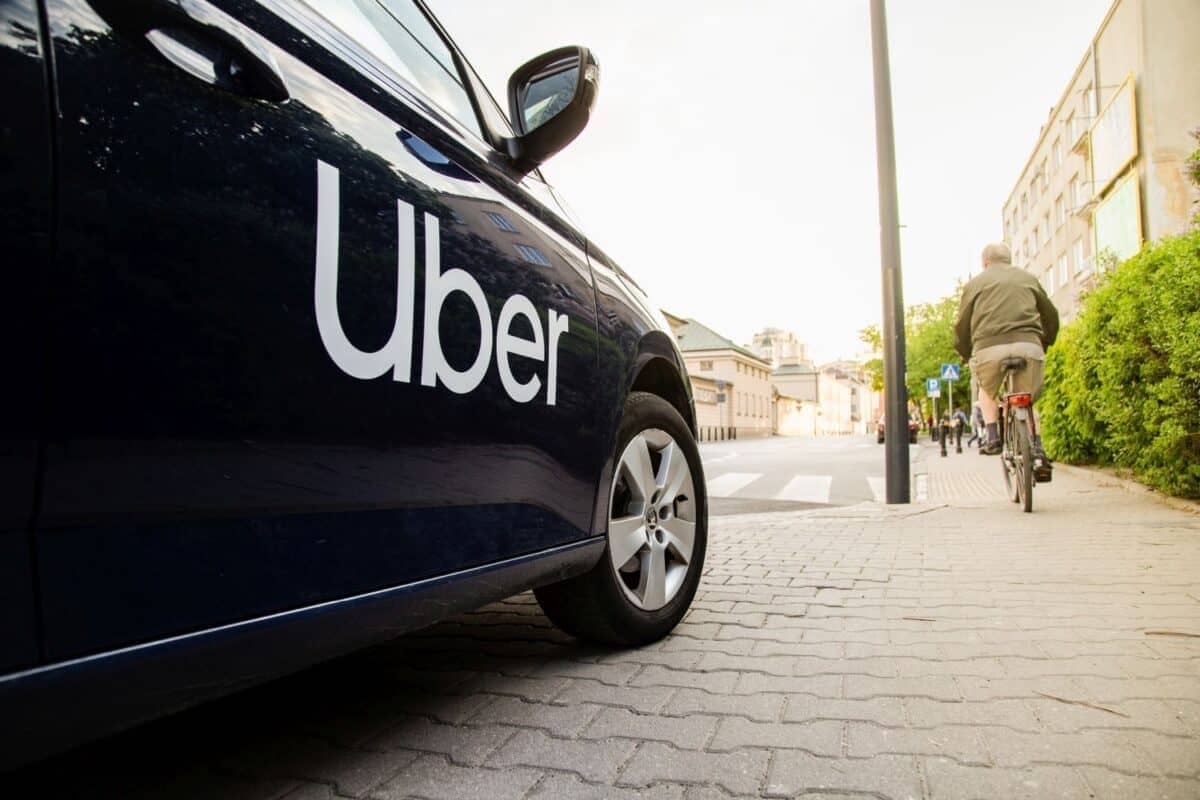
Image for illustrative purposes. Picture: iStock


There is a major push by Uber now to get their drivers to brand their vehicles accordingly, following the grace period allowed by the 2023 amended National Land Transport Act. Bolt must do the same.
The government argues it is about increasing regulating of the sector, commuter safety and improving service delivery.
It’s a reasonable call. Far too many Uber drivers behave like minibus taxis, driving recklessly, jumping traffic lights and travelling too fast, so if they were easily identifiable, they could be better held accountable.
But this isn’t a reasonable country. A straw poll of Uber drivers in Johannesburg and in the Eastern Cape reveals a universal loathing of the branding idea.
Many can’t see why they must brand their private cars and continue to be identified as working for the e-hailing system even when they are off duty.
Others argue that if they’re going to advertise the service, they should be paid a fee. Their greatest concern though is safety.
Ever since the service allowed passengers to pay in cash rather through virtual app-based transactions, drivers have become targets for the money they might carry.
Uber drivers don’t have the formalised protection and support of the organised minibus associations, and certainly not the informal muscle of the last mile food and grocery delivery bikers, who gather en masse on Johannesburg streets when one of their number is knocked over by a motorist.
ALSO READ: R4000 a week to rent a car: Will Uber Electric overtake Bolt’s Bajaj?
The greatest problem, Madlanga Commission of Inquiry notwithstanding, is the police shaking them down for cooldrink money.
There’s also, in Johannesburg especially, the risk of attack by metered taxi drivers and operators.
The attacks against Uber drivers – and the inaction by the authorities – have been as shameful and as unpunished as the periodic waves of xenophobia that Johannesburg has endured.
There are certain no-go areas for the drivers and, ironically, Sandton Gautrain station is one of them.
You can’t get a ride there. Instead you have to carry your cases about 500m down the road before an Uber driver will pick you up.
So, should we be seriously putting a target on the drivers – and their passengers – by making the drivers plaster huge stickers over their cars advertising who they are, and their vulnerability?
It’s a tricky question, it shouldn’t be – but think of it if you are sitting in a branded Uber going through a police roadblock after a night carousing on the tiles.
Support Local Journalism
Add The Citizen as a Preferred Source on Google and follow us on Google News to see more of our trusted reporting in Google News and Top Stories.

