South Africa’s education system limped through 2025 battered, confused, and angrier than ever.
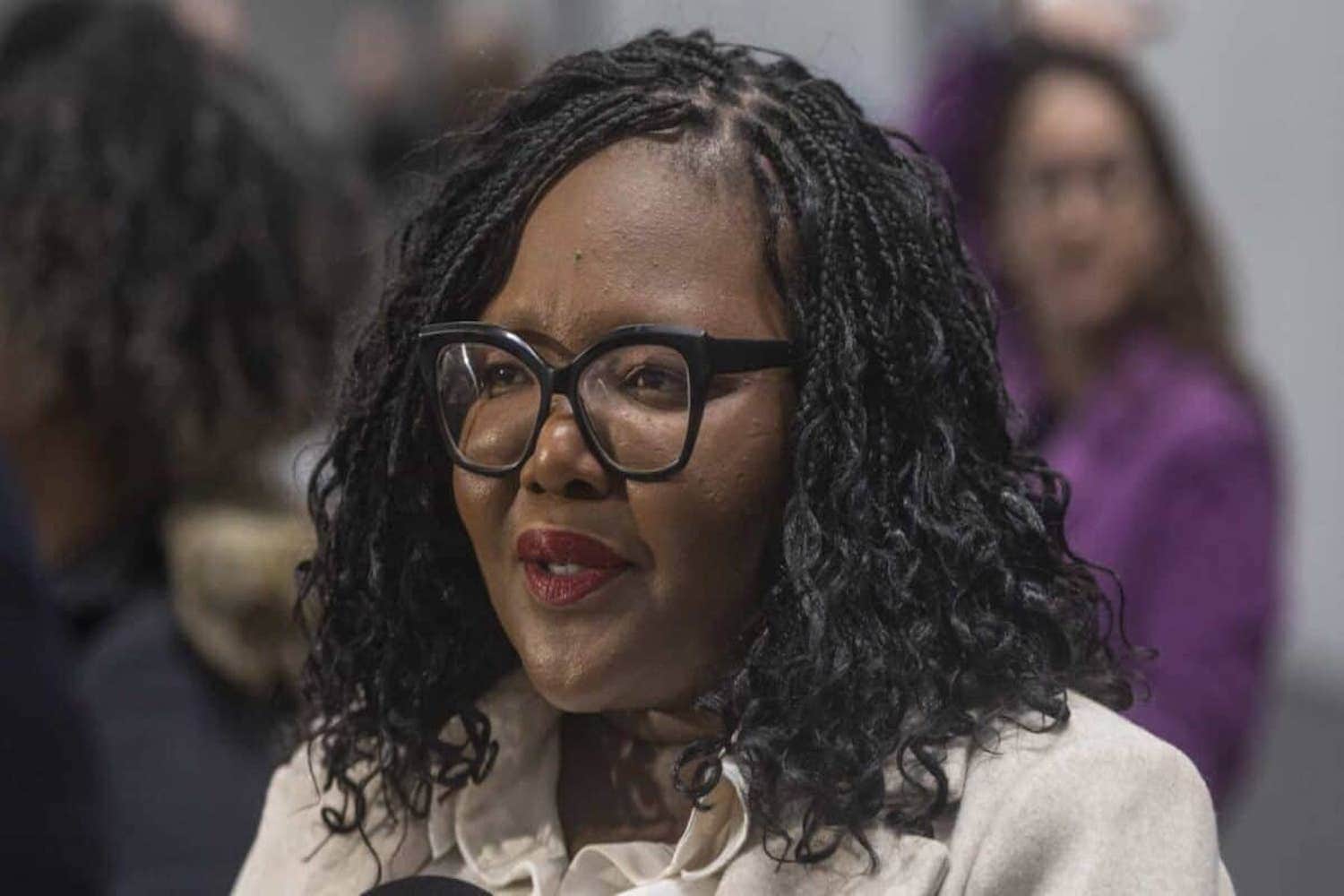
Education Minister, Siviwe Gwarube. Picture: Gallo Images/Brenton Geach


Basic Education Minister Siviwe Gwarube spent her first full year in office doing what few ministers before her dared: pushing reforms at full speed, confronting uncomfortable truths.
Yet even with this burst of energy, South Africa’s education system limped through 2025 battered, confused, and angrier than ever.
Much of that anger was directed straight at her office.
A minister determined to change the rules
The department’s move to enforce regulations that protect the admission of undocumented and foreign pupils sharply divided South Africans and sparked fierce debate.
The DBE insisted that schools may not deny access to “undocumented pupils or pregnant pupils,” and may accept an affidavit while documents are processed.
Legally correct? Yes. Politically explosive? Absolutely.
Parents who waited months for placements asked a reasonable question: How is it that South African children must wait while foreign children with no documents walk straight into a classroom?
That frustration was captured sharply in a recent Citizen opinion column that warned the minister’s approach risks “placing foreign children ahead of South African ones.”
Instead of calming the ground, Gwarube doubled down, publicly declaring that “the laws of the country are technically crafted by you, for you… participate in the lawmaking process.”
Technically true, yes, but it sounded like a lecture to parents whose children still sit in overcrowded classrooms, or no classroom at all.
It is difficult to preach constitutionalism to a mother whose Grade 1 child remains unplaced while schools are filled beyond capacity.
A minister with big ambitions
To her credit, Gwarube did not shy away from the reality that the system is collapsing at its foundation.
In September, she championed mother-tongue education, an effort to fix language-of-learning failures that left only 42% of preschoolers on track, according to DBE’s own early-learning index.
She also acknowledged the maths catastrophe exposed in The Citizen’s report on Grade 6 pupils failing mathematics in staggering numbers.
These are not small wins. These were overdue interventions.
But ambition requires execution, and that is where her year stumbled.
ALSO READ: Only 42% of SA’s preschoolers on track, DBE index reveals
The matric mark debate
Then came the fireworks in parliament over the so-called 30% matric pass mark. Opposition parties demanded a 50% floor. Parents demanded credibility. Commentators demanded honesty.
Gwarube’s response? “There is no such thing as a 30% overall pass mark,” she insisted, explaining the subject-based promotion structure.
She is technically correct. But the public’s frustration is not technical; it’s moral. South Africans don’t want a defence of the fine print. They want standards that mean something.
And they’re tired of ministers telling them the system is “working as designed,” while graduates stand jobless with certificates that employers no longer trust.
ALSO READ: Debate heats up in Parliament over 30% matric pass mark
Unsafe schools, overcrowded classrooms
Despite unveiling the “safe schools protocol” in June, violence continued to plague classrooms. Infrastructure backlogs persisted. Thousands of Grade R teachers remained unqualified.
And the DBE’s performance goals “shot through the roof” as reported in November, while the outcomes hardly moved.
It is in this context that education activist, Hendrick Makenata, measured verdict gains weight.
“Minister Gwarube’s performance this year has been defined by visible energy and a willingness to confront challenges facing the basic education system.”
Yet he noted that this year “did not necessarily deliver the breakthrough that we all hoped for.”
Civil society’s verdict — hopeful but unimpressed
He praised Gwarube’s “visible energy,” her improved communication, and her focus on early-grade literacy.
ALSO READ: Funding crisis leaves North West Grade R teachers unpaid
The uncomfortable truth
Gwarube has energy. She has ideas. She has a reformer’s instinct. But South Africa does not need another minister with good intentions.
It needs one who can force provinces to deliver, hold districts accountable, and fix classrooms so overcrowded they resemble holding cells.
“The minister should prioritise provincial accountability and urgent infrastructure delivery,” Makaneta said.
The reality is simple: if 2026 does not bring measurable improvements in literacy, safety and accountability, all the passion in the world won’t rescue her legacy or South Africa’s children.
NOW READ: This province has more unplaced students for 2026 than all others combined