The municipality says the loan is desperately needed to reduce some of the backlog in electrical infrastructure.
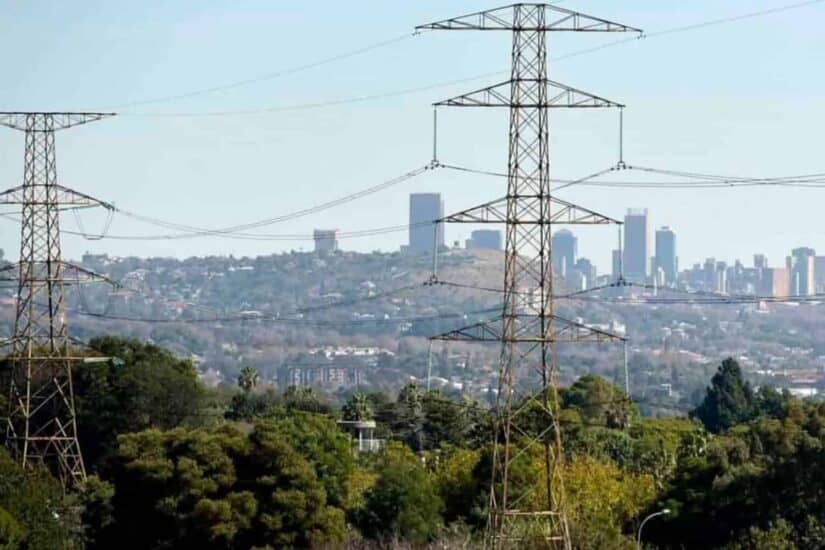
Image for illustrative purposes. Picture: Neil McCartney / The Citizen


If the City of Joburg were an ordinary working person, it would be in debt review, so much does it owe to so many over such a long time.
That’s fortunate for the well-paid and less-than-successful municipal managers and politicians in charge, because had they been a normal Joe, they wouldn’t have been able to go and borrow even more money.
Amazingly, while Eskom is owed more than R5 billion in unpaid electricity debt by City Power, that entity will be the sole beneficiary of a R3.8 billion loan just taken out from Germany’s state-owned development bank, Kreditanstalt für Wiederaufbau (KfW).
The municipality says the loan is desperately needed to reduce some of the backlog in electrical infrastructure, which is estimated at an eye-watering R40 billion. Projects being prioritised include upgrades to bulk infrastructure, substations, medium- and low-voltage networks and metering.
According to the city, “the scale of Joburg’s infrastructure requirements cannot be addressed through conventional municipal funding mechanisms alone”.
Let’s ponder that for a minute. This sudden backlog didn’t suddenly just happen. It’s a slow implosion which has been evolving for decades, much as the inadequate water reticulation system has been declining to the extent where we have full dams and dry taps.
The reason? Running a sophisticated electricity and water supply system requires forward thinking – in minute detail – and implementing replacement and upgrades timeously. Yet, the opposite has been true, as successive administrations – but dominated by ANC ones – have refused to save for a rainy day.
In addition, the ANC has allowed the culture of non-payment for municipal services to burgeon to such an extent it is now out of control. The German bankers don’t have to worry about their money. Central government will guarantee that. It’s the ratepayers who, once again, will be stung.