Constitution hailed as progressive, yet Naki says murderers, rapists and politicians exploit protections to delay accountability and walk free.
Picture: Supplied.


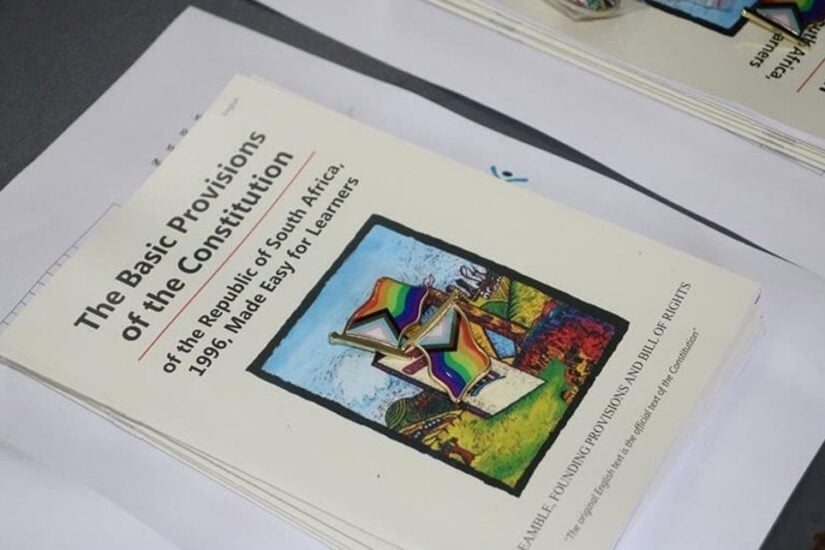
South Africa’s 1996 constitution is often hailed as one of the most progressive in the world – it enshrines a bill of rights that guarantees equality before the law and compels judicial officers to weigh the rights of both the accused and victim.
This equality clause is the backbone of our democracy, ensuring that no individual is above the law. Yet, for all its brilliance, the constitution is not without flaws.
The criminal justice system, built on constitutional values, is designed to withstand rigorous scrutiny. Laws must comply with the rights framework, otherwise they collapse under judicial review. This very strength has become a weakness.
Loopholes are exploited by those in power and by criminals who understand how to manipulate the system. Murderers, rapists, traffickers, fraudsters and drug dealers have walked free, not because they were innocent, but because they knew how to stretch constitutional protections to breaking point.
Civil and political cases reveal similar abuse. Politicians arrive in court armed with urgent appeal documents and bail money, ready to delay proceedings indefinitely. The appeal system, meant to safeguard fairness, is turned into a weapon.
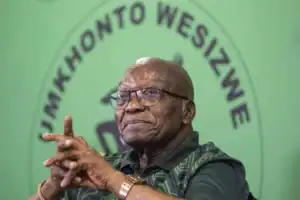
Former president Jacob Zuma perfected this tactic, keeping his fraud case alive for over two decades without ever facing prison.
Julius Malema, too, has used an appeal to remain politically active despite his criminal convictions.
Whether courts acknowledge it or not, politicians exploit constitutional rights to avoid accountability and political parties weaponise appeals as a tool to frustrate their political opponents, who approach courts to force their party to respect its own rules.
The problem extends beyond politics into criminality, where hardened criminals enjoy privileges they don’t deserve. Once incarcerated, they benefit from rights that often feel excessive to ordinary citizens.
Balanced meals, access to television, cellphones and free education – all funded by taxpayers are afforded to those who violated the rights of others.
Victims, meanwhile, are left with grief and trauma, watching perpetrators live with comforts that blur the line between punishment and privilege.
Immigration policy adds another layer of complexity. Our rights-based framework allows undocumented immigrants access to public services, including education for their children.
Schools are even required to help foreign children obtain documentation, regardless of how they entered the country.
While noble in principle, this has fuelled resentment. Anti-migrant protests have exposed how foreigners exploit study permits or tourist visas to open businesses or secure jobs, often without proper scrutiny from the authorities.
As revealed by parliament, the asylum system is equally vulnerable.
A backlog of more than 100 000 cases means many remain in the country illegally, some disappearing altogether.
They appeal not because they expect justice, but because they know the system is broken. They stay because the constitution is on their side.
South Africa must confront this reality. Reform is not about dismantling rights but about recalibrating them to prevent abuse.
Our constitution remains a remarkable achievement, but it is not sacred scripture. It is a framework that requires vigilance, adaptation and courage to defend.
If we continue to allow loopholes to be manipulated, the promise of equality will ring hollow. Rights must protect the innocent, not shield the guilty.
Only then will our constitution live up to its reputation – not as a burden of entitlement, but as a beacon of justice.