Knysna can show other imploding towns and cities how to reverse the situation of neglected infrastructure.
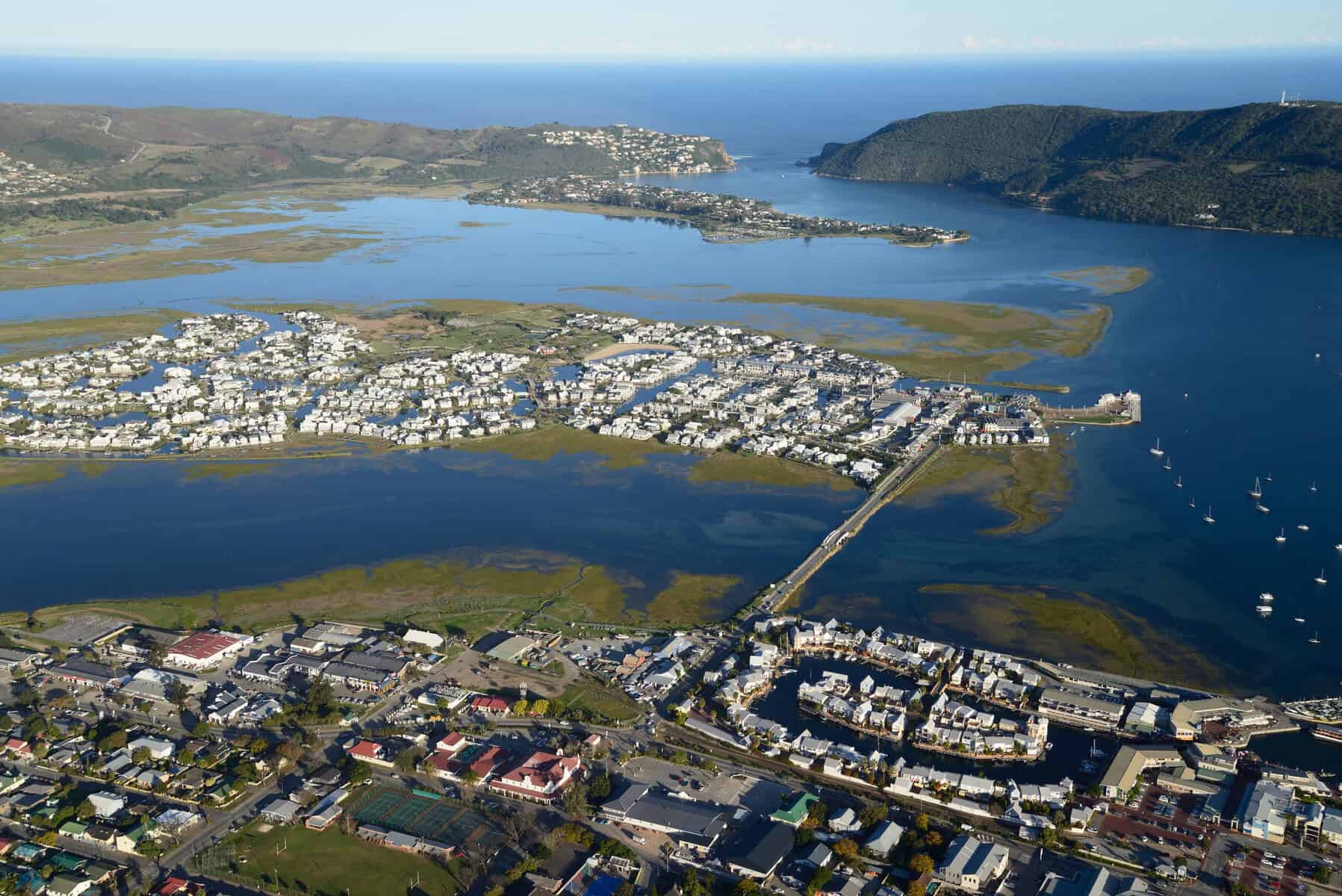
An aerial view of Knysna, Garden Route. Picture: iStock/Dominique de la Croix


Johannesburg, it seemed, didn’t want to let us out of its clutches, if our last night as permanent residents in the city was anything to go by.
The movers arrived at 5.30pm, more than three hours late. So we only left our house in our little two-car convoy, just before 9pm, facing a one-hour drive to our overnight stop in Parys.
It was bucketing down, the N1 highway was unlit and to add to the drama, our two dogs in the back of my car were traumatised.
It could only have gotten better after that. And it did, although leaving the City of Gold for Knysna, the City of Drought, has had some of our friends questioning our sanity.
Yet, just a few weeks in our new home have shown us that Knysna can show other imploding towns and cities how to reverse that situation.
We decided to move here so my wife could be with her family and, with most of mine having left Joburg, there wasn’t much in the way of emotional ties for me.
We got a fair price for our house in Northcliff but still had to pay almost double that for the place we got in Knysna – and that was a bargain.
I haven’t closed my Joburg City Power WhatsApp update, because it reminds me at least once a week that we made the right decision.
ALSO READ: Rain has fallen in Knysna, but will it be enough to save area from crisis?
That’s how often the power goes out in the area where we once lived.
Up to the end of October, we had experienced more than 400 hours of outages… and in the six weeks we’ve been here, there have been at least six more, the longest being for more than 60 hours.
I hope the owners of our old place appreciate the generator we left them.
Needless to say, we haven’t had an outage yet down here.
And, because the solar system in this house is installed to provide power as an everyday function, while also being a backup, we generate most of our daily power needs ourselves.
On average, that’s 8-10kWh a day… or about R1 000 a month in savings.
But what has struck me is how the community – the residents – have got stuck in, via an organisation called the Knysna Infrastructure Group (KIG), to sort out municipal issues.
You can sign up to their WhatsApp group, donate R100 a month if you feel like it and be kept abreast of what they are doing.
ALSO READ: Nersa to redo electricity tariffs for Joburg, three other municipalities
They’ve managed to convince the council – run by an ANC-EFF coalition – to allow them to pitch in to help fix neglected infrastructure.
And to be fair to the latest council, it has only been in office for less than four years, so any failure to do timely maintenance has to be down to previous DA administrations.
But, playing the blame game doesn’t fix things. KIG has sorted everything from water pumping stations to leaking pipes, to clearing water blockages and has even employed a full-time engineer to oversee operations at a waste water plant.
Its WhatsApp group is the place to report water leaks and burst pipes… and to see them get repaired quickly.
KIG says it is motivated by the good of the town and not for personal gains, working apolitically and taking advantage of the skills and experience already within the town.
To me, it looks like solving rather than carping and, as KIG puts it, not sitting on the sidelines and complaining.
There’s a long way to go and a lot to be done to fix this town, but where there’s a will there’s a way.
It’s a model Joburg needs to look at… beyond egos and political point-scoring.
NOW READ: What the Johannesburg municipality needs to get right in 2026
Support Local Journalism
Add The Citizen as a Preferred Source on Google and follow us on Google News to see more of our trusted reporting in Google News and Top Stories.