From Cat Matlala to Mapisa-Nqakula, high-profile arrests welcomed, yet Nakeli warns delayed action cost public trust and squandered resources.
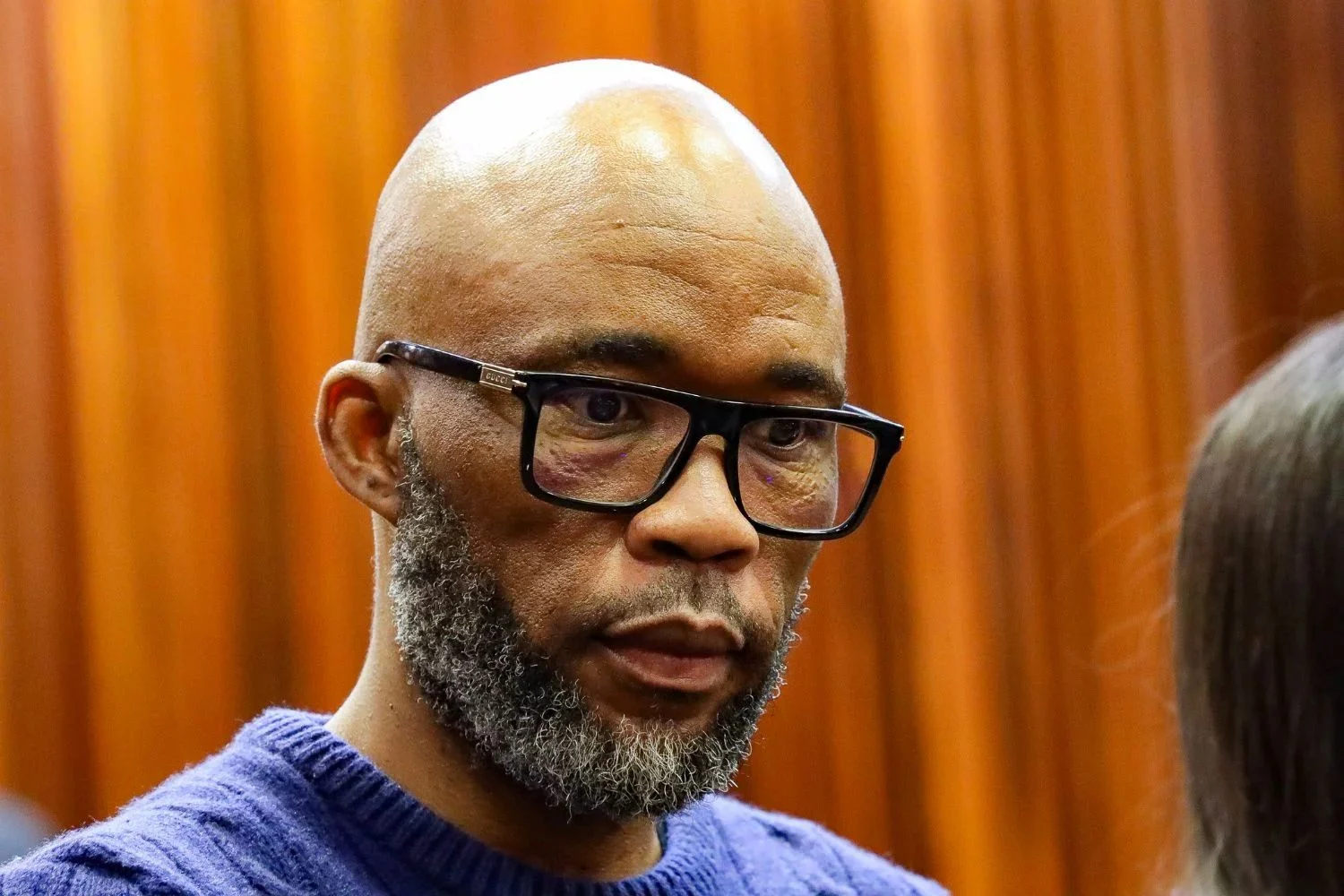
Vusimuzi ‘Cat’ Matlala at the Gauteng High Court in Johannesburg on 15 June 2026. Picture: Gallo Images/Fani Mahuntsi


South Africans have become accustomed to waking up to news about another arrest, prosecution or court appearance involving high-profile individuals.
While this development should be welcomed as evidence that the wheels of justice are finally turning, it also forces us to confront an uncomfortable reality.
The alleged misconduct, financial irregularities and abuses of power that now occupy court rolls often occurred over many years.
The celebration of accountability must therefore be tempered by the question of how so many warning signs were missed, ignored or inadequately addressed before the situation reached the courtroom.
Effective systems are designed to detect irregularities, limit opportunities for abuse and ensure swift intervention when concerns arise.
Yet many of the cases now before the courts suggest that these safeguards were either insufficient or not properly enforced.
While citizens can take some comfort in seeing alleged offenders answer for their actions, there remains concerns about the time it has taken to arrive at this point.
Accountability delayed carries its own cost, often measured in lost public trust, squandered resources and opportunities denied to ordinary South Africans.
Citizens are left wondering whether warning signs were ignored because they were inconvenient, or because institutions lacked the capacity and urgency to act.
In either scenario, the outcome is much the same: public resources are compromised, trust is weakened and accountability arrives long after the damage has been done.
A government committed to good governance should not only punish wrongdoing, but actively prevent it from taking root.
The names may differ, but the story remains familiar.
From Vusimuzi “Cat” Matlala to Nosiviwe Mapisa-Nqakula, from municipal officials accused of betraying the public trust to senior law enforcement figures facing scrutiny before courts and commissions, South Africa is witnessing long-overdue justice.
The real challenge is not only correcting wrongdoing, but understanding how it was allowed to flourish for so long.
As we work to repair our institutions and restore public confidence, we must ask: if these failures were years in the making, where were the safeguards meant to stop them?
Only by answering that question can we ensure that accountability becomes the rule, rather than the remedy.