


The Beitbridge border post continues to lead with high volumes among land borders, processing over 22 483 travellers .
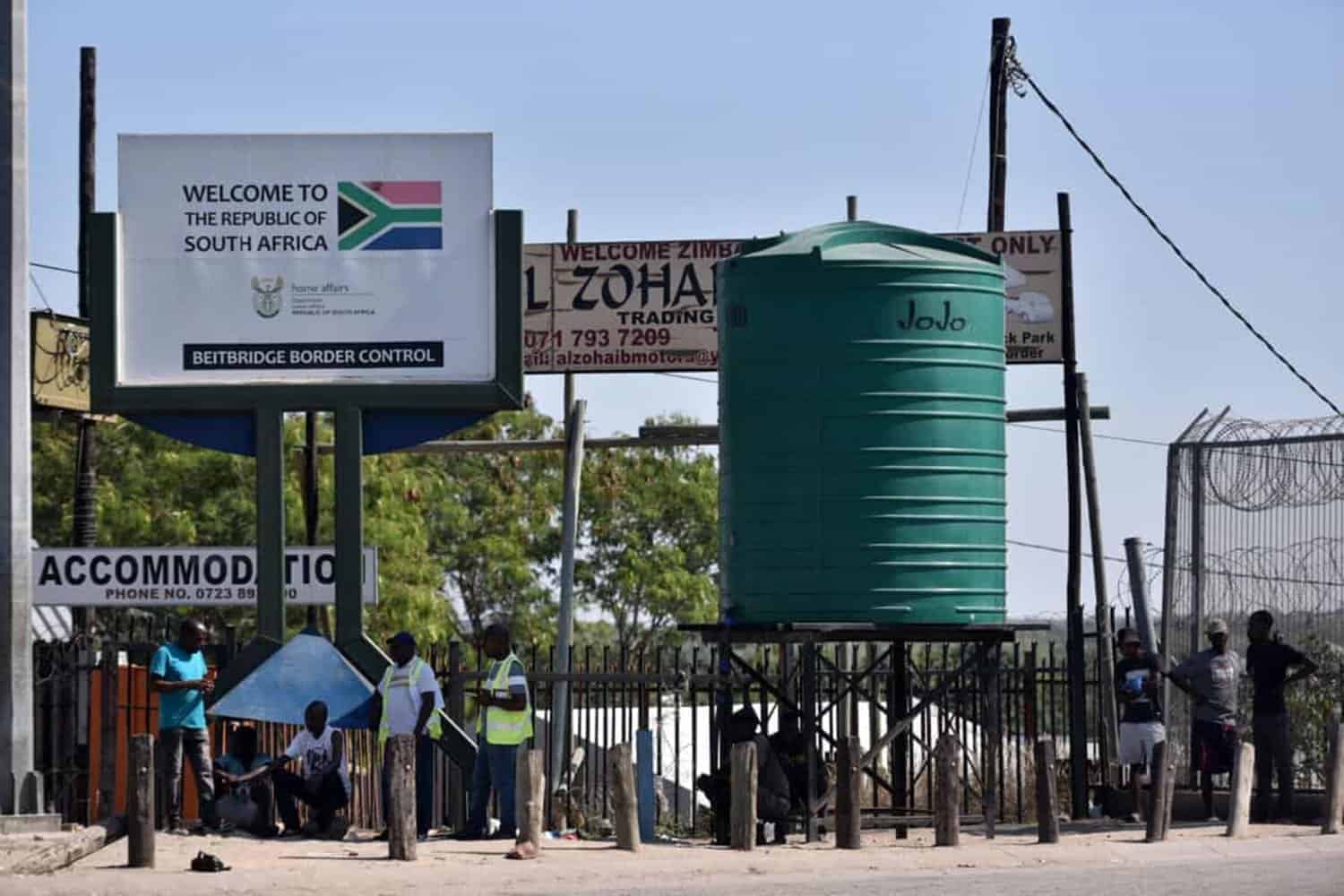
Entrance to the Beitbridge Border Post in Limpopo. Picture: Nigel Sibanda


As the festive season draws to a close, the Border Management Authority (BMA) reports it has intercepted more than 546 travellers at various ports of entry attempting to enter South Africa, most of whom were undocumented.
The BMA said the Beitbridge border post continues to lead in high volumes at land borders, processing over 22 483 travellers on 03 January alone, and expects more people to travel through the border post back to South Africa.
High traveller movement
The Commissioner of the BMA. Dr Michael Masiapato provided a report on high volumes of traveller movement across various ports of entry during the peak return phase of the festive season.
Masiapato is currently overseeing operations at the Beitbridge Port of Entry and has ensured that additional resources and operational support have been deployed across other ports of entry nationwide.
Undocumented foreign nationals
BMA Deputy Assistant Commissioner for Communications Mmemme Mogotsi said the undocumented foreign nationals were intercepted on 1 and 2 January 2026.
“These interceptions affirm that border management systems, deployments, and enforcement mechanisms remain active, responsive, and effective. All undocumented persons intercepted were processed in line with South Africa’s immigration laws, with immediate deportation processes initiated.”
ALSO READ: WATCH: SANDF intercepts over 1 000 undocumented foreigners at border in Limpopo
Biosecurity
Mogotsi said the BMA has also intensified controls across agriculture, food safety, and biosecurity.
“Officers continue to intercept prohibited and restricted goods, including agricultural and animal products that pose a risk to food safety and biosecurity.
“The BMA warns travellers against attempting to bring prohibited agricultural and animal products into South Africa, as these items may introduce infectious diseases, pests, and biosecurity risks. Such goods are confiscated and disposed of in accordance with applicable legislation,” Mogotsi said.
Increased volumes
She said that to manage the increased volumes, multiple processing and interception points have been established at all major ports.
“At Beitbridge, elevated volumes have been largely driven by the simultaneous arrival of buses from Malawi, Zimbabwe and Zambia mainly, and the processing was managed through established border control protocols.
“In response to long queues and extreme heat conditions, the BMA has prioritised small children, the elderly, and vulnerable travellers. Any traveller presenting signs of illness is assessed by the BMA Port Health officials to prevent the importation of infectious and communicable diseases,” Mogotsi said.
ALSO READ: Food, car batteries and truck worth nearly R1 million seized at Beitbridge
Border breach
Mogotsi added that with the border environment remaining highly dynamic, particularly during peak travel periods, high movement volumes do not constitute evidence of a border breach or a failure of border controls.
“Operational realities on the ground demonstrate that numerous interceptions are taking place daily, supported by coordinated action with other law enforcement agencies, including the South African National Defence Force (SANDF) and the South African Police Service (Saps), to secure ports of entry and address vulnerabilities along the borderline.”
Interceptions
Masiapato said while the authority operates under limited resources, BMA officers remain fully deployed, vigilant, and committed to defending the Republic’s borders.
“Daily interceptions, refusals of entry, confiscations, and enforcement actions confirm that illegal entry and prohibited movements are being detected and decisively addressed.”
Masiapato said the BMA “remains resolute” in its mandate to secure South Africa’s borders and will continue to strengthen its operational posture, within available means, in the interest of national security.
ALSO READ: Here’s where most of those nabbed at the border come from
Support Local Journalism
Add The Citizen as a Preferred Source on Google and follow us on Google News to see more of our trusted reporting in Google News and Top Stories.

