
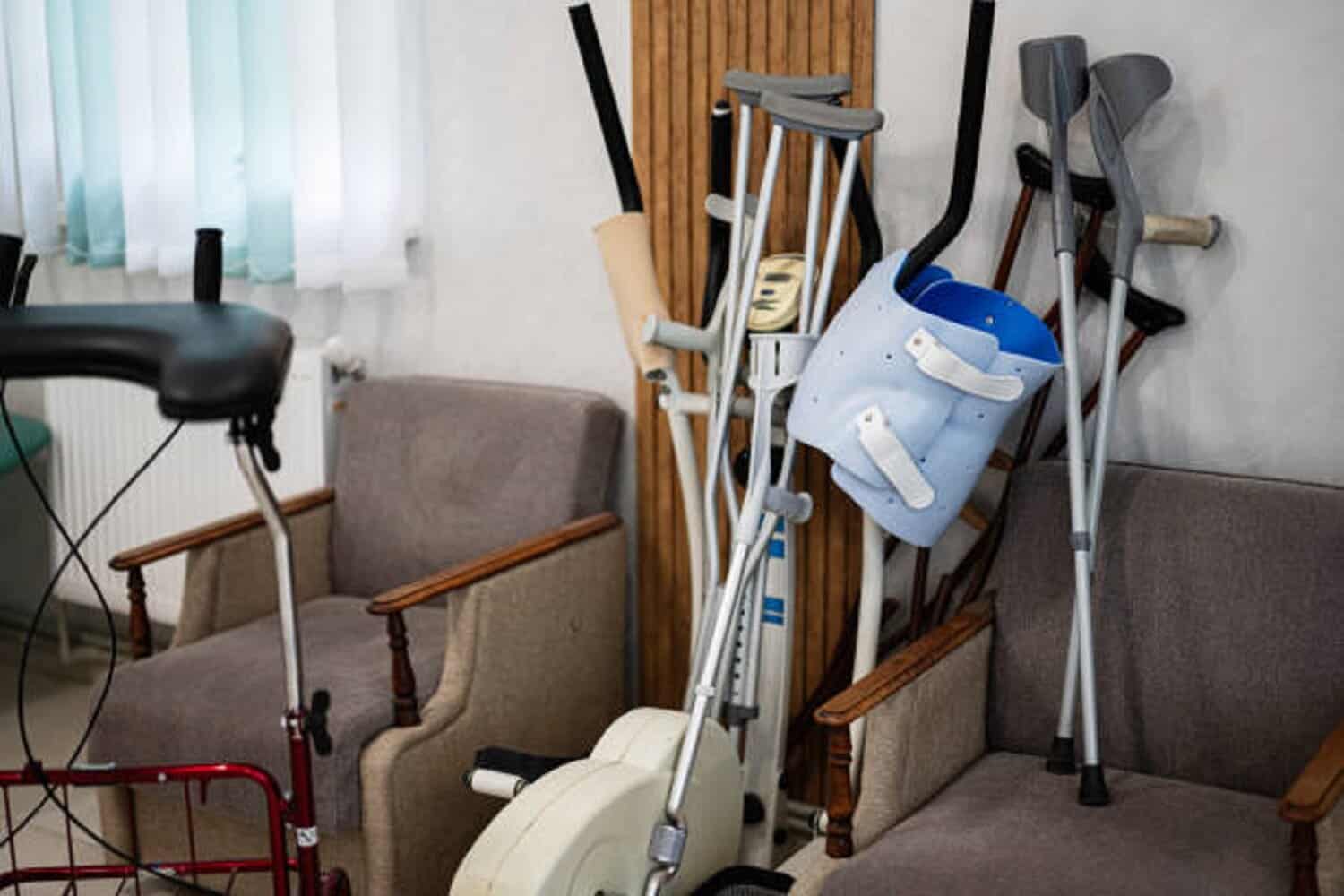
According to the department, wheelchairs, hearing aids, walking aids, orthoses, prostheses, podiatry devices and AAC devices were issued.
Picture: iStock


The Gauteng Department of Health said it had made “significant progress” in improving services for people living with disabilities, issuing more than 42 000 assistive devices in the first two quarters of the 2025/26 financial year.
The update comes as the world marks International Day of Persons with Disabilities under the theme “Fostering disability-inclusive societies for advancing social progress.”
78% of devices already issued
According to the department, wheelchairs, hearing aids, walking aids, orthoses, prostheses, podiatry devices and Augmentative and Alternative Communication (AAC) devices were issued between April and September.
“This figure translates to a 78% issue rate out of the 48 000 assistive devices on the register,” the department said.
Officials said the numbers reflect a commitment to ensuring that people with disabilities “receive the necessary support and resources to improve their quality of life”.
ALSO READ: Budget cuts cripple health infrastructure projects
Support for the visually impaired expanded
The department also confirmed it had strengthened partnerships with Non-Profit Organisations (NPOs) and Non-Governmental Organisations (NGOs) to deliver specialised rehabilitation services for visually impaired individuals.
Through these partnerships, the province can deploy orientation and mobility specialists, a skill set not currently available within the department’s internal workforce.
“These specialists assist in providing essential training and support to empower blind and visually impaired persons to regain independence and reintegrate into society,” the department said.
An additional 1 578 assistive devices were provided specifically to support the mobility and daily functioning of visually impaired residents.
These included long canes, roller ball tips, talking Braille watches, signature guides, sunglasses, money sticks, needle threaders, tablet dispensers and liquid level indicators.
“These devices are life-changing, enabling individuals to navigate their environments safely and participate fully in social and economic activities,” the department said.
ALSO READ: Gauteng Health HOD fails to overturn suspension
Improved services for children with special needs
To strengthen care for children with special needs, the Gauteng health department said it had established a Steering Committee to improve service delivery at Primary Health Care level through the One-Stop Clinic, Community-Based Centre of Excellence model.
“The introduction of this model within Community Health Centres has expanded access to specialised services by bringing medical, educational and therapeutic resources directly into the community,” it stated.
Families no longer face the burden of frequent hospital visits, and children can access early interventions sooner.
The department added that the system includes functional referral pathways with access to assistive devices, home-based care, mental health services, social services, caretakers, education and stimulation centres, and other community-based support services.
Since its establishment, the model has achieved functionality scores of 80% based on standardised assessments and oversight visits.
Recent benchmarking visits by stakeholders, including the Limpopo Department of Health, a Ugandan delegation and representatives from the United Nations, “highlighted the effectiveness of this service delivery model”.
ALSO READ: Women speak out after being sterilised ‘without consent’
Access to essential medicines improved
The department has also begun improving access to medicines for children with special needs through the Central Chronic Medicines Dispensing and Distribution (CCMDD) formulary.
“This will facilitate the availability of the approved 22 OPD medicines specifically tailored for children with special needs,” it said, adding that the formulary aligns with the World Health Organisation’s essential medicines list.
The department said the addition will further support the health and development of children across the province.