


The full moon spring tide will affect tidal conditions over this weekend and for the next few days.
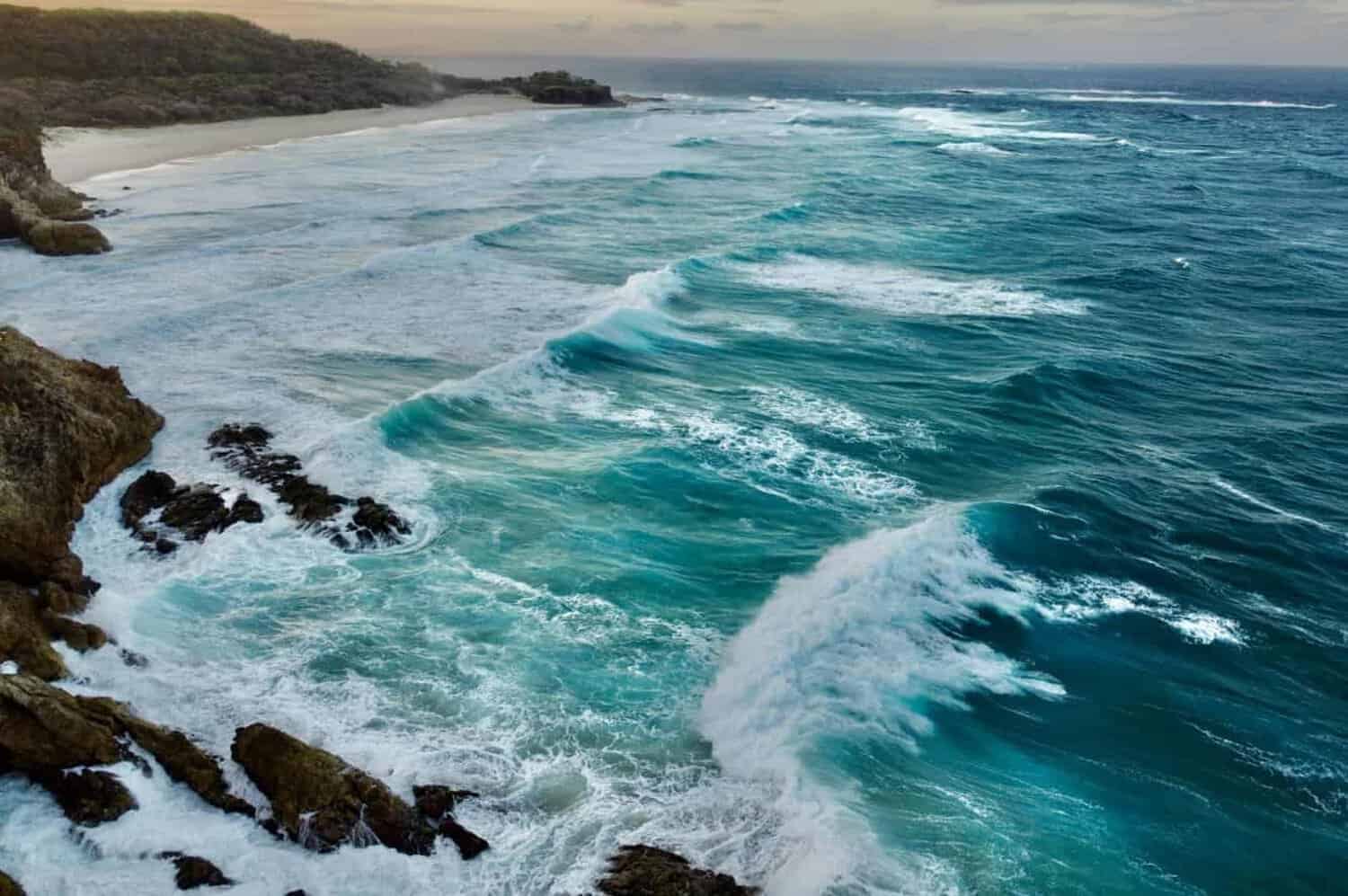
The new moon spring tide will peak on Monday. Picture: iStock


The National Sea Rescue Institute (NSRI) has urged beachgoers to exercise caution during the full moon spring tide this weekend.
The full moon spring tide, which peaks on Monday, 5 January 2026, will affect tidal conditions over this weekend and for the next few days.
What is a Spring Tide?
This natural phenomenon occurs when the Sun, Moon, and Earth align during the full moon phase, amplifying the Moon’s gravitational pull on Earth’s oceans.
NSRI spokesperson Andrew Ingram said beach visitors, rock and surf anglers, and people who intend to walk on coastal paths should be aware of the stronger tidal variation typical of spring tides.
ALSO READ: Pennington Beach drowning: Five swept out to sea in KZN [VIDEO]
What to Expect
- Higher High Tides: Water levels will rise significantly, reaching further up the shoreline.
- Lower Low Tides: More of the seabed will be exposed as water levels dip below average.
- Increased Tidal Range: The difference between high and low tide levels will be at its maximum.
Impact
Ingram warned that the effects of a Spring Tide often lead to stronger tidal currents, particularly in narrow inlets.
“This natural phenomenon can present potential dangers, including rip currents, which are intensified by stronger tidal flows at beaches, posing a risk to swimmers. Rip Tides with stronger tidal flows of water, especially in places like the Knysna Heads.”
Hiking trails
Ingram said some hiking trails near the coast may become inaccessible or hazardous during afternoon high tide.
“Shoreline anglers should exercise extra caution, as higher waves may reach beyond usual safe zones.”
Safety measures
To ensure your safety while enjoying coastal activities, the NSRI recommends the following precautions:
- Swim at lifeguard-protected beaches: To avoid rip currents, swim between lifeguard flags.
- Be aware of rip currents: Rip currents are particularly strong during spring tides, especially during outgoing tides in the late afternoon and early evening.
- Stay informed: Check daily weather forecasts from the South African Weather Service (SAWS) and consult tide timetables.
“The effects of spring tides can last several days. By adhering to these safety measures, you can minimise risks and enjoy the ocean’s natural beauty responsibly. The NSRI remains committed to safeguarding lives and promoting awareness of coastal hazards,” Ingram said.
ALSO READ: Health alert: Fisheries department warns public against white mussels and shellfish
Support Local Journalism
Add The Citizen as a Preferred Source on Google and follow us on Google News to see more of our trusted reporting in Google News and Top Stories.

