


With ANC losing majority, opposition chairs crucial committees, ensuring stronger scrutiny of budgets, state spending, and executive decisions.
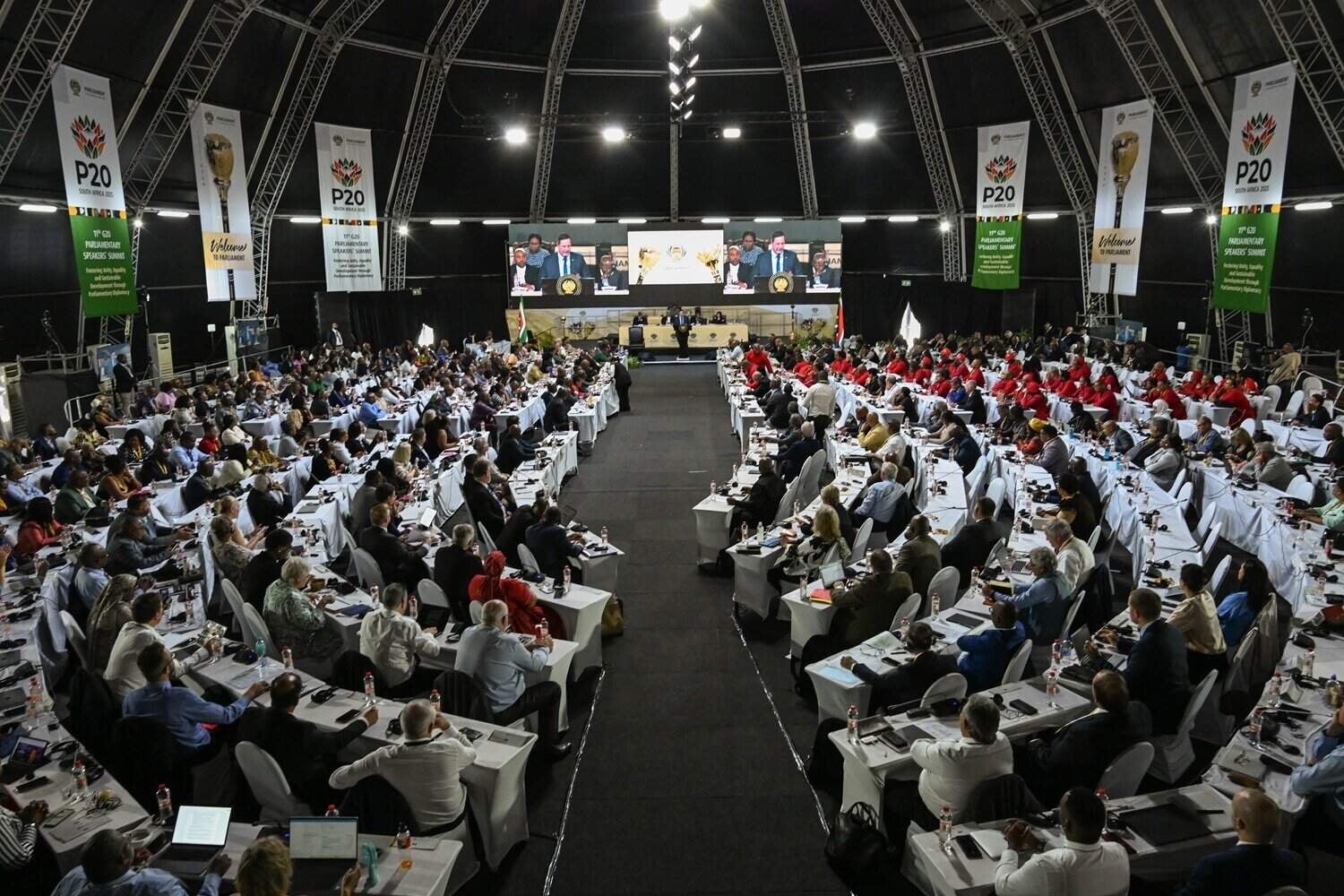
The 2025 State of the Nation Address (SONA) Debate at the Parliamentary Dome in Cape Town on Day 01 on February 11, 2025 in Cape Town, South Africa. (Photo by Gallo Images/Jeffrey Abrahams)


Parliament’s legislators had their hands full since the new term began in June last year.
Among the many highlights that gripped the nation were the long stalemate over the adoption of the national budget.
The majority of opposition parties, including the DA, rejected the 2% VAT increase tabled by Finance Minister Enoch Godongwana on 12 March.
Parliamentary shifts empower opposition parties
The budget was finally passed by consensus on 23 July, after the two biggest parties, the ANC and the DA, who are the anchors of the government of national unity, found common ground.
It was agreed on the reduced 0.5% instead of the initial proposed 2%, with another 0.5% for 2026. It was given the greenlight by a majority vote in the 400-seat National Assembly.
The heat generated by the budget overshadowed President Cyril Ramaphosa’s State of the Nation Address (Sona) in February.
ALSO READ: SA continues to lead African counterparts in space science research
In contrast to the budget, the Sona was welcomed by the majority, but disapproved by the uMkhonto weSizwe party and Julius Malema’s EFF.
More heat was generated by the parliamentary ad hoc committee probing allegations made by KwaZulu-Natal police provincial commissioner Lieutenant-General Nhlanhla Mkhwanazi.
The seventh parliament has seen much change since the May 2024 national and provincial elections, with the former opposition party members chairing portfolio committees.
ANC losing majority
This was necessitated because the ANC no longer has a majority, after it received only 40% at the May polls.
The electoral outcomes forced the country to adopt a true democratic system of oversight.
The opposition parties no longer see themselves as opposition but as sharing power both in the legislature and the executive arms.
ALSO READ: Parliament welcomes DBE’s swift action on matric exam breach
Post the election, the Select Committee on Public Accounts (Scopa) is chaired by Rise Mzansi president Songezi Zibi and plays the role of the watchdog of state expenditures.
Build One South Africa leader Mmusi Maimane is chair of standing committee on appropriations, which means he oversees the approval of the budget.
Additionally, the committee serves as a platform to voice public concerns about government spending.
Opposition parties leading committees
The DA has five MPs who have become chairs of portfolio committees: Ian Cameron (police), Joe McGluwa (sport, arts and culture), Bridget Masango (social development), Jan de Villiers (public administration), and Leon Basson (water and sanitation).
FF+’s Leonard Jones Basson is chair of water and sanitation, and the party’s Wouter Wessels chairs the standing committee on the auditor-general.
Support Local Journalism
Add The Citizen as a Preferred Source on Google and follow us on Google News to see more of our trusted reporting in Google News and Top Stories.

