The PAC has not gained traction in SA’s political landscape and has deteriorated over time due to infighting, factionalism and break-ups.
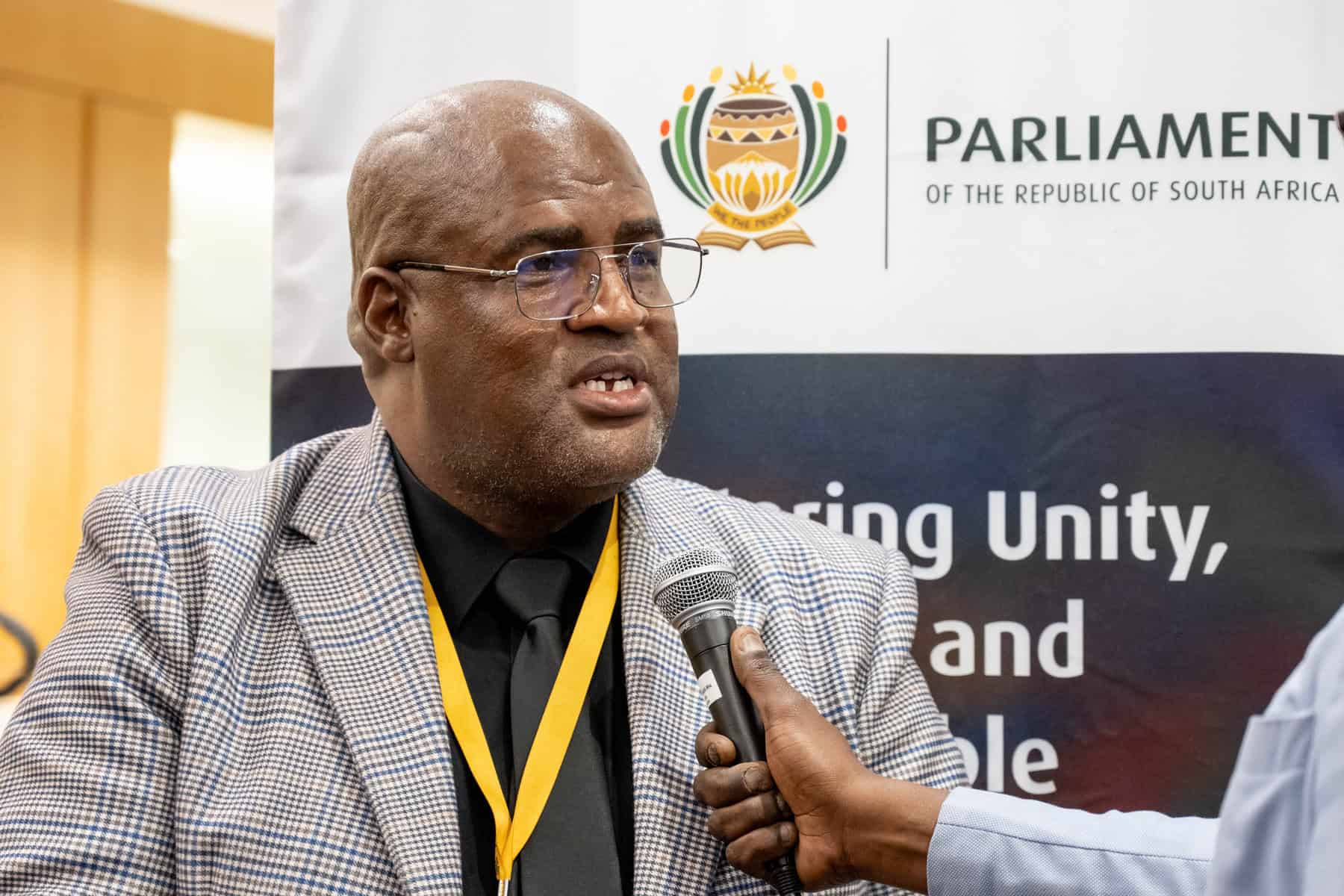
PAC leader Mzwanele Nyhontso. Picture: Gallo Images/Jeffrey Abrahams


For the first time since the early days of unbanning when the party was led by its stalwarts, the Pan Africanist Congress (PAC) held a peaceful national congress with unchallenged outcomes in which incumbent president Mzwanele Nyhontso was reelected unopposed.
Nyhontso, who is minister of rural development and land reform in the government of national unity (GNU), is credited for having brought about lasting stability in the party that was founded by Robert Mangaliso Sobukwe.
Re-election signals a break from factional battles
His re-election marked the beginning of a new era for the party, which had numerous breakaway parties since its unbanning in 1990.
Some members were dissatisfied with the results and a few threatened to go to court.
However, tensions were minimised at the party congress, compared to the past.
The unhappy members were said to be unlikely to pursue legal action because they did not contest most elections.
Once a major force in post-apartheid politics
The PAC was among the popular parties during the first democratic elections in 1994, in which it garnered sufficient support to have six MPs of high-profile and power, including its then-president Clarence Makwetu, Patricia de Lille, who was chief whip, Veronica Sobukwe, wife of the late founder, Joe Mkhwanazi and Themba Hlatshwayo.
They were later joined by PAC former president, Stanley Mogoba, his successor Motsoko Pheko, then-party secretary-general Maxwell Nemadzivhanani and former parliamentary leader Themba Godi, who later formed the African People’s Convention.
Other top leaders included Gora Ibrahim, Barney Desai, and subsequent presidents Letlapa Mphahlele and Luthando Mbinda.
Prominent regional leaders included Khoisan X (previously known as Benny Alexander), Thami ka Plaatjie and Zingisa Mkabile.
Years of decline marked by splits and infighting
The PAC has not gained traction in South Africa’s political landscape and has deteriorated over time due to infighting, factionalism and break-ups.
Nyhontso was elected in December 2018, and in a delayed congress in August 2019, defeated his arch-rival, Narius Moloto.
ALSO READ: Ramaphosa says ANCYL is ready to lead – but it can’t even organise its own elective conference
Moloto challenged Nyhontso on several occasions, also in court, but lost and finally bowed out.
Moloto also lost several court applications challenging the electoral outcomes, including the controversial results of the August 2019 congress, but the Electoral Commission of South Africa recognised Nyhontso as elected leader in October of that year, and confirmed Nyhontso as elected leader in 2021.
Unopposed victory marks rare moment of unity
At the weekend’s congress in Gqeberha, Nyhontso won unopposed, the first time for long that there was no conflict at the party’s elective congress.
Nyhontso was criticised for deviating from Sobukwe’s principles by cooperating with the ANC and joining the GNU.
But political analyst Hlumelo Xaba in an online article did not blame the leadership for moving the needle from the centre.
Instead, he considered the prevailing circumstances and explained what position Sobukwe would have taken.