The SAHRC believes there is a discrepancy between South Africa's food production and the number of people in the country who go hungry daily.
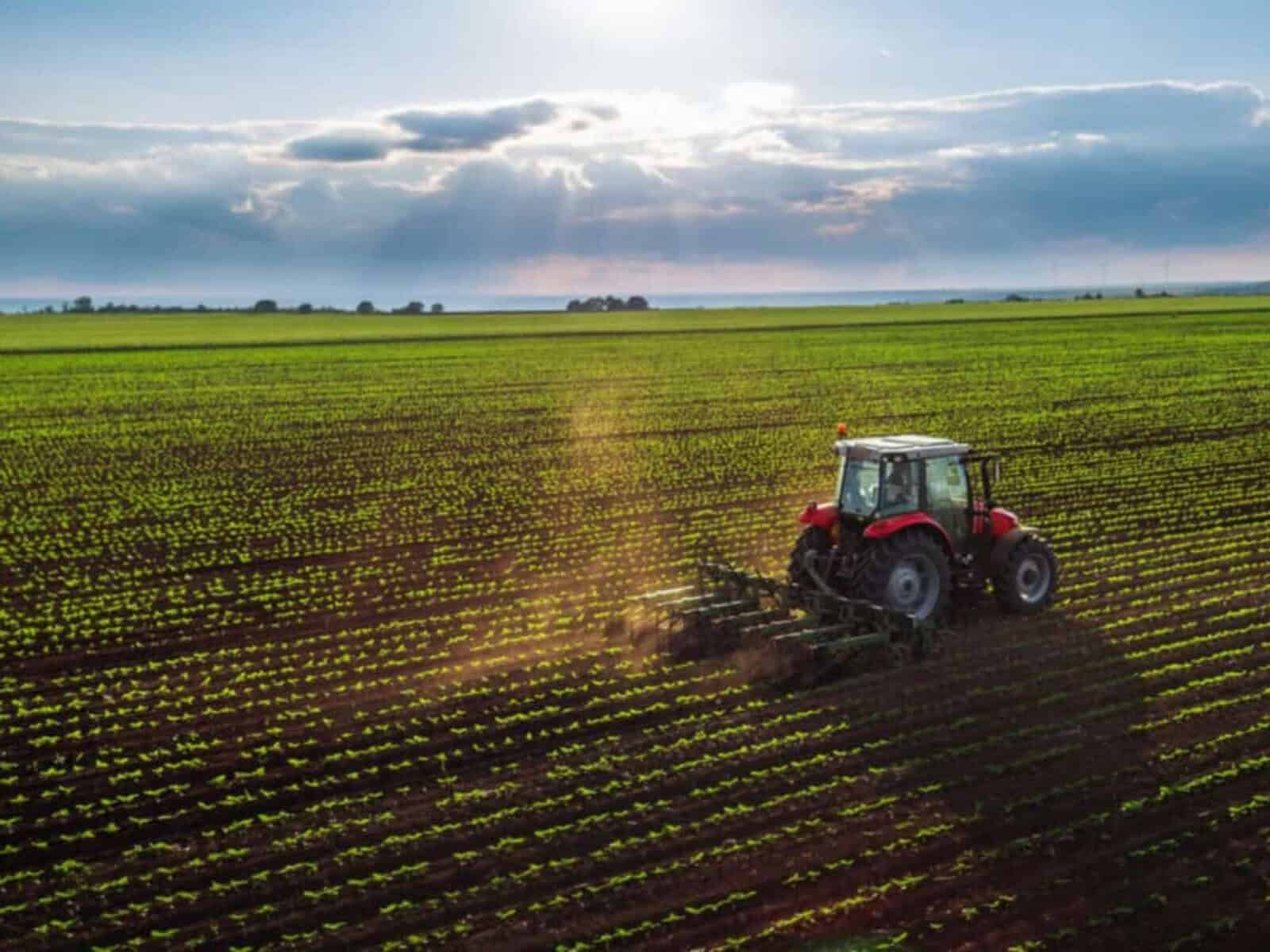
Image for illustrative purposes. Picture: iStock


The South African Human Rights Commissions (SAHRC) is set to investigate the reason why some households have fully stocked cupboards while others are unable to have a decent meal even once a day.
The commission this week announced national hearings into South Africa’s food industry, which it aims to begin by March next year.
Broad themes the commission intends to probe were announced on Wednesday, and additional details will be released in 2026.
‘Profound contradiction’
The SAHRC stated that South Africa had abundant food production capacity, but that millions were struggling with malnutrition.
“This profound contradiction represents a malfunction in the food systems of South Africa and a grave violation of the constitutional right of everyone to have access to sufficient food,” the commission stated.
It added that it had an obligation to investigate the possibility of human rights abuses wherever they may occur in the republic.
“In fulfilment of its constitutional mandate, the commission will convene a national investigative hearing into the food systems of South Africa,” the SAHRC confirmed this week.
Set to be held in March 2026, and will focus on seven broader topics.
Investigation themes
The topics include the corporate capture of food in South Africa, the power of civic mobilisation and systemic failures of government.
The commission will also focus on the “indivisibility of rights”, as well as land reform and indigenous knowledge relating to agroecology.
In the last of the seven topics, the SAHRC wishes to determine whether hunger is “a crisis of historical justice, not scarcity”.
The commission wishes to explore “the structural dynamics and economic factors that perpetuate hunger and systemic exclusions, despite national food sufficiency”.
Submissions will be requested from government departments, business chambers and communities, and interested parties who wish to contribute to the commission’s work.
Net wheat importer
While South Africa is a major global agricultural exporter, recording just under US$14 billion in agricultural export revenue, it still imports large quantities of primary food sources.
The Agricultural Business Chamber (AGBIZ) in March stated that the country was a net importer of wheat and struggled with certain other foods.
“South Africa lacks favourable climatic conditions to grow rice and palm oil and thus relies on imports of these products. Regarding wheat, South Africa imports nearly half of the annual consumption,” AGBIZ stated.
“In the Free State province, which used to be amongst the major wheat-growing regions of the country, production has declined notably over time because of the unfavourable weather conditions and profitability challenges of wheat relative to other crops,” the chamber added.
Additionally, 20% of South Africa’s annual chicken consumption was supplemented through imported products.
NOW READ: SAHRC finds police acted unlawfully at 2024 university protest, police claim self-defence