


Suspected cases in neighbouring countries have highlighted the rapid regional spread of the virus.
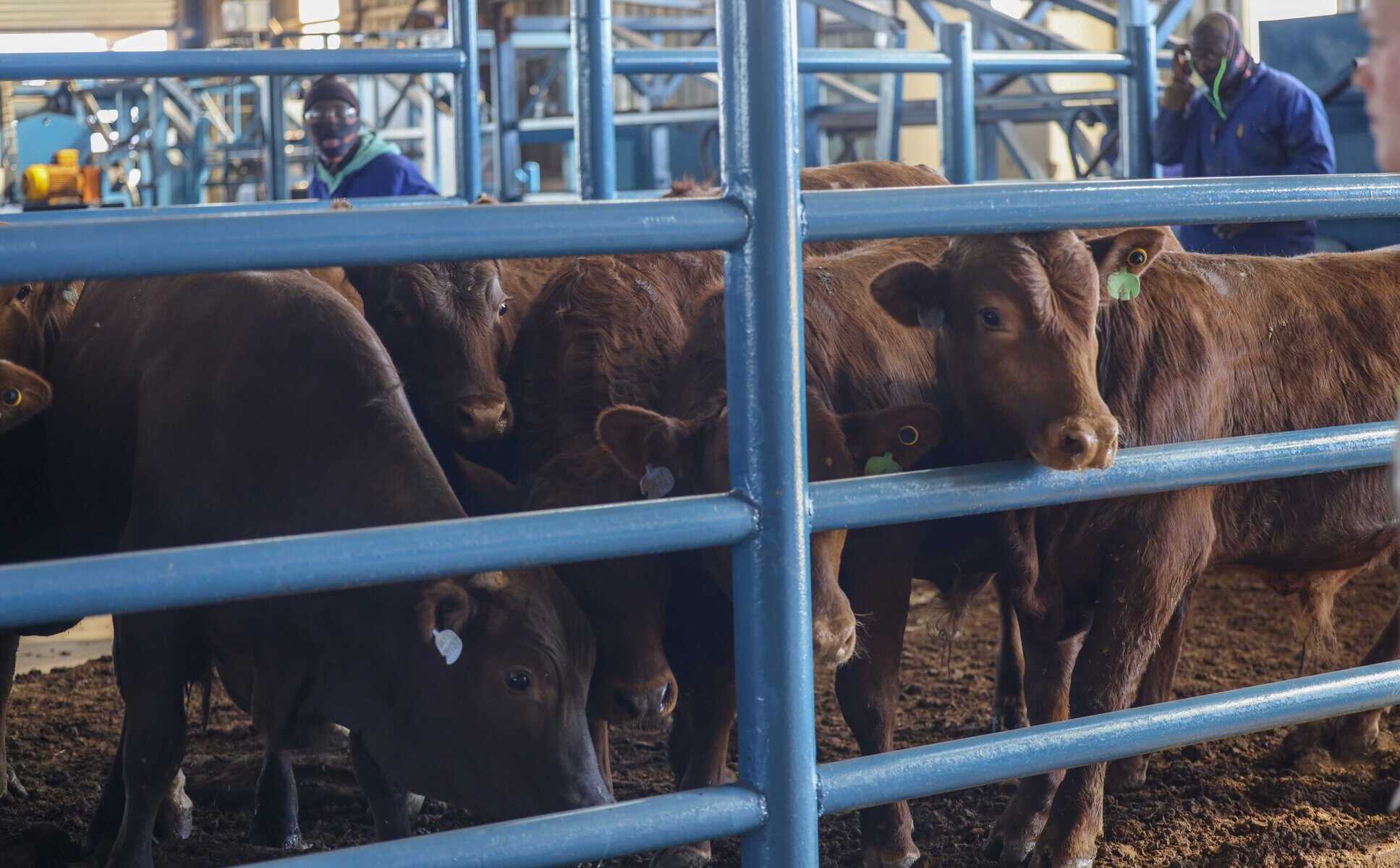
Picture: Gallo Images/OJ Koloti


SA’s foot-and-mouth disease has spread like wildfire, with suspected cases now reported in neighbouring countries while farmers wait for vaccines.
The National Council of Societies for the Prevention of Cruelty to Animals (NSPCA) has warned the disease is spreading rapidly through many farm animals, such as cows, sheep and goats, as well as wild animals like buffaloes.
Vaccine shortages blamed for accelerating outbreak
The disease, which is caused by a highly contagious virus, was mostly due to the lack of vaccines, NSPCA spokesperson Jacques Peacock said.
The current situation reflects on the government and its failure to plan, execute and monitor their plans to deal with outbreaks and risks, said Rebone Moerane, senior lecturer in veterinary science at the University of Pretoria.
“If we substituted or replaced the outbreak with a contagious zoonotic disease, millions of people would be infected, leading to a possible high mortality rate.
“Despite being warned more than a decade ago, the government – and the department of agriculture, in particular – failed to put interventions in place to provide incentives to rural livestock farmers working in the so-called infected zone.
ALSO READ: DA members have beef with Steenhuisen over foot-and-mouth disease
“These farmers were expected to bring their cattle for weekly inspections and have their livestock vaccinated three times a year.
“The initial cases recorded between 2019 and 2022 could not be contained because of ineffective veterinary services,” Moerane said.
Under-resourced veterinary services hamper containment
Some veterinary officials do not have offices; do not have basic resources such as gloves; are responsible for large areas (municipalities and sometimes district municipalities); and some are expected to travel between 500km and 1 000km a month to perform their duties, he said.
Veterinary services cannot be expected to deal with outbreaks without the necessary funds.
“To make matters worse, the national director for animal health and the chief veterinary officer of South Africa do not have direct power over provincial officials, and have not shown themselves to be in control.”
Failure to declare disaster worsened impact
Moerane said not only did SA not have appropriate risk analyses and cost-benefit prevention or mitigation strategies in place, but had the country declared the outbreak a disaster back in 2019, it would have had ample funds and resources to contain the disease and compensate farmers.
ALSO READ: Foot-and-mouth ‘a national threat’
Agriforum Namibian Agriculture Magazine reported investigations are ongoing after suspected cases of foot-and-mouth disease were reported in northeastern Botswana.
“This clearly demonstrates how fast it spreads,” it said.
Regional spread raises cross-border concerns
“SA has been struggling since May 2021 to contain this virus, which is described as the worst in history.
“Active outbreaks have already occurred in eight of the nine provinces. The Northern Cape is the only province that has not reported an outbreak.
“A week ago, Matabeleland in Zimbabwe’s was hit with two outbreaks in villages adjacent to buffalo habitats. This area is close to Botswana’s eastern border.”
NOW READ: Lesufi calls for local FMD vaccines as Gauteng outbreaks surge
Support Local Journalism
Add The Citizen as a Preferred Source on Google and follow us on Google News to see more of our trusted reporting in Google News and Top Stories.

