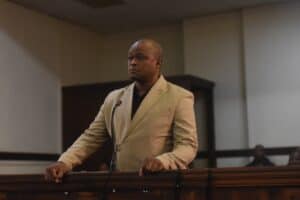
Commission accused of neglect as Marius van der Merwe’s death sparks calls for accountability
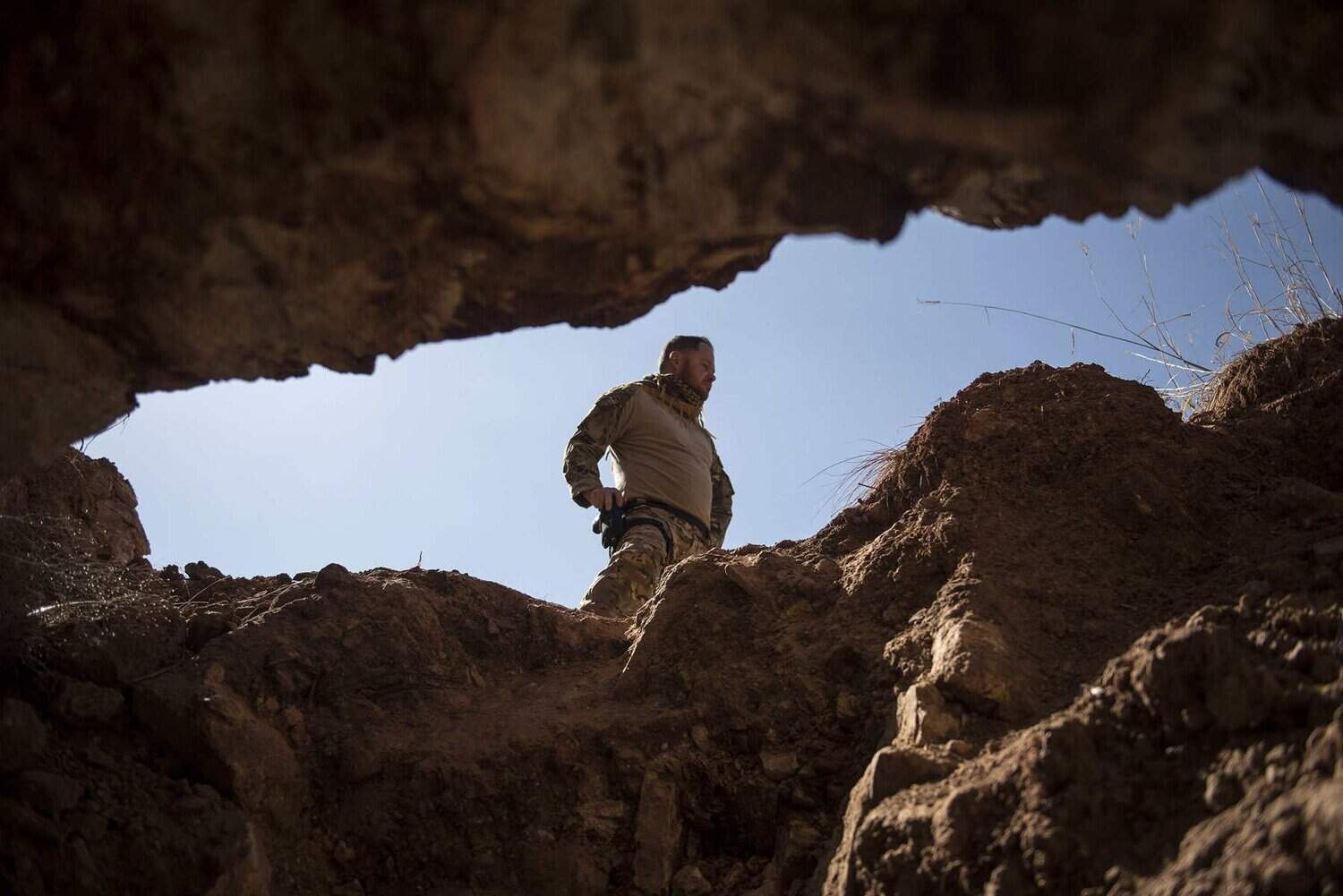
Marius van der Merwe at the entrance to an illegal mine tunnel 10m from Snake Road in Benoni. Picture: Michel Bega


Witnesses who testified in the Madlanga Commission of Inquiry and those still to appear say Minister of Justice and Constitutional Development Mmamoloko Kubayi is wrong when she claims the commission has done everything in its power to protect whistle-blowers.
Government’s protection of whistle-blowers criticised
Government’s protection of witnesses has been criticised in the wake of Marius van der Merwe’s death on Friday evening. The former Ekurhuleni Metropolitan Police Department (EMPD) officer and private security firm owner was shot outside his Brakpan home.
He had previously testified at the commission as Witness D. There, he implicated suspended EMPD top cop Julius Mkhwanazi in criminal activity.
Responding to the backlash, Kubayi said she was pleased with the current witness protection programme and the commission’s efforts to protect witnesses. She claimed Van der Merwe had been offered protection by the commission but had declined it “because he didn’t think he needed it as he had his own security company”.
“In the case of Witness D, as the minister has indicated, witness protection was offered, and it was refused,” added her deputy, Andries Nel.
ALSO READ: ‘Get down!’: Inside slain Madlanga commission witness Marius van der Merwe’s last moments
However, those close to him have disputed this. They said Van der Merwe would have taken the protection, if offered, as he feared for his life.
It is understood that as threats against him grew, and after surviving a previous attempt on his life, he was willing to go public in an effort to pressure authorities to protect whistle-blowers and reduce the target he had on his back.
Asked by City Press about Kubayi’s claims, Van der Merwe’s wife reportedly said she was not aware of any refusal. This was confirmed to The Citizen by someone close to the family.
Madlanga commission witnesses claim they were denied protection
Instead, witnesses claim they were the ones asking for protection, only to be denied or ignored. Some alleged that law enforcement used intimidation tactics to secure testimony at the commission, with one claiming they were told that if they did not provide evidence, they could be implicated and identified.
“We were offered zero protection and, just like with Vlam [Van der Merwe], we are starting to feel that we are next,” the witness said.
Another witness said that they do not leave their homes without private protection.
“We are going through hell, but nothing has happened. We are not being protected. It was never on the table. Just threats.”
The Citizen requested comment from the commission in response to these witnesses’ fears. It responded that it was working with the police, the military, the justice department and state security to review the protection provided.
“A meeting, held in Pretoria at the Natjoints Operations Centre, agreed to enhance the commission’s security operational plan over the next two days.
“While extensive measures have been put in place to secure witnesses and officials since the start of the commission, the meeting identified a need to heighten these measures by roping in the Natjoints and all other relevant role players.”
Natjoints is among the most senior security cross-department organisational teams in the country and recently oversaw the safety of international heads of state at the G20 leaders’ summit in Johannesburg.
ALSO READ: Not the first time hitmen tried to kill Madlanga commission witness Marius van der Merwe
Like Van der Merwe, whistle-blowers now hope that going public may force authorities to take their security seriously.
“Perhaps if we all go public and stand up for justice, there is no way that the state can ignore our actions. They would have to protect us and we will reveal hard truths about South Africa… Perhaps we should do this, in honour of Witness D. He is a hero; he paid for truth with his life.”
‘Witnesses should be forced to accept protection’
Crime expert Mike Bolhuis, a specialist investigator, said witnesses should be forced to accept protection.
Bolhuis said Van der Merwe should have been protected.
“His assassination obviously raises serious questions regarding protection.
“Hence, I say the authorities should demand that anybody who is a whistle-blower be protected. If they want to stay at their properties or go on with their normal daily routine and lives, they should have proper bodyguards.”
Bolhuis said Van der Merwe’s death should be investigated thoroughly and extremely urgently to establish who ordered the hit. He said the good thing was that the evidence presented by Van der Merwe would continue to play a vital role in the inquiry.
Chad Thomas, an organised crime investigator at IRS Forensic Investigations, said the killing of Van der Merwe was a deplorable incident that has sent shockwaves through the greater law enforcement community.
Thomas said the incident may well hinder the process of having certain witnesses testify due to the perceived safety and security issues, despite there being more than one working theory as to why Van der Merwe was assassinated.
Be that as it may, Thomas said so far it was not clear why the witness was assassinated.
“There is a need to be sure why he was killed, was it as a direct link to his testimony at the commission, or was it because he was part of the team involved in another project, or was it because he was involved in disruptive zama zama operations?”
But he said the incident would have instilled fear in witnesses.
He said security has to be strengthened and other role players brought in from the State Security Agency, intelligence structures, and the South African National Defence Force and military police component due to the deficit of trust in the South African Police Service and local policing structures, that were the focus of some of these investigations.
He said to prevent further attacks, the authorities need to implement measures including thorough threat risk assessments, provision of proper security and intelligence gathering on the ground.
READ NEXT: Justice at gunpoint: the growing hit list of whistle-blowers in SA