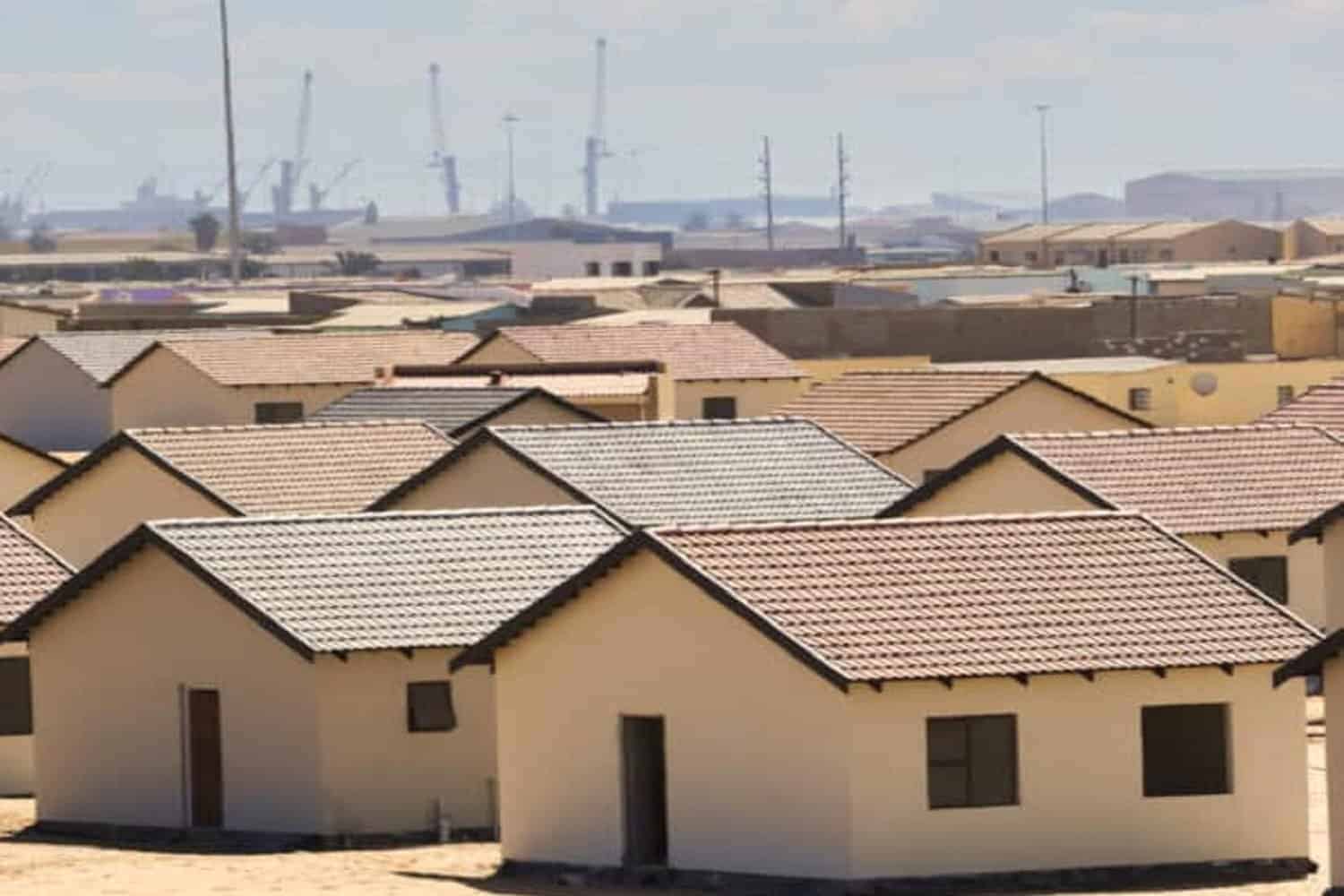
The Institute of Race Relations argue that women have been disproportionately affected by the government's title deed and housing backlog.
Picture: iStock


The Institute of Race Relations (IRR) is urging the Department of Human Settlements to use this Women’s Month to properly address the backlog in the issuing of title deeds.
Using the department’s data, the IRR argue that women have been disproportionately affected by the department’s administrative lapses.
Female recipients of government housing benefits had increased from below 50% at the turn of the millennium, to 68% in 2023.
The department had previously stated that roughly 31 000 title deeds dating back to before 1994 had to date still not been legally assigned, with the title deed backlog now over one million.
In Gauteng alone, the provincial government last year estimated roughly 160 000 recipients had been added to the post-1994 waiting list.
The IRR stated that researched showed 42% of all households in South Africa were led by women.
“Surely there are many among these mothers, grandmothers, daughters and aunts who have waited decades for their title deeds to be issued, and today live with the distress of being uncertain about whether they’ll be able to secure their children’s inheritances, or even their own financial security,” stated IRR Strategic Engagements Manager Makone Maja.
‘Something she can protect’
The IRR stated last week that government messaging had to start translating into tangible results.
“South Africans are tired of empty platitudes about women’s empowerment of which there has been no shortage this Women’s Month.
“We need more action and fewer empty promises about how government aims to clear the backlog of over one million title deeds, especially when the likelihood of the backlog mostly affecting women is so high.
“Historical injustices are real but they do not excuse any lack of present-day accountability, particularly when the President’s party enjoyed thirty uninterrupted years in government,” stated Maja.
The IRR argued that the championing of women’s empowerment was hollow if “the right of women to own, control, inherit, and defend what is theirs” was not prioritised.
“A woman who owns her home has something that is legally hers, something she can protect, build on and pass to her children.
“But thousands of South African women still live in homes the ownership of which is uncertain because the state has failed to provide proper title.
“If the government is serious about improving the position of women, it should start by making sure that the property they own is actually recognised and protected,” stated IRR Research Coordinator and Economic Policy Analyst Anlu Keeve.
17 000 title deeds to be issued
The IRR asked for greater accountability in instances where the issuing of title deeds issuing was unnecessarily delayed, as well as greater clarity on how the backlog would be cleared.
In a July written rereply to a question posed in parliament, the department outlined what it had available in the short-term.
“The department plans to issue 17 016 title deeds and register at least 16 000 title deeds in the 2026-27 financial year.
“To date, approximately 19 447.40 hectares (just under 200km2) of state-owned land have been released nationally for human settlements development through the Department of Public Works and Infrastructure and the Department of Land Reform and Rural Development,” the department stated.
On accountability, the department denied wrongdoing and said there were limited avenues by which officials could be disciplined.
“Officials do not have any good cause to delay the registration and issuing of title deeds, as this is a priority of government.
“Delays are often caused by external factors which are escalated for resolution,” the department concluded.