
Stroke awareness in the spotlight
Speedy treatment is vital as every minute treatment is delayed, more of the brain is damaged.
Time saved is brain function saved.
This is the most crucial thing to remember when dealing with a stroke, according to Renathe van der Merwe from Angels Initiative.
We spoke to Renathe in light of the recent World Stroke Week (October 28 to November 3) and World Stroke Awareness Day (October 29).
A stroke is one of the most devastating medical emergencies that can happen to a person.
It can be caused by a blockage of an artery or a bleed. Strokes occur when the blood supply to part of the brain is cut off, and without blood which carries oxygen, brain cells can be damaged or die.
Depending on which part of the brain is affected and how quickly the person is treated, the effects of a stroke can be devastating to a person’s body, mobility, speech, as well as how they think and feel.
In some cases strokes can be fatal.
Speedy treatment is vital as every minute treatment is delayed more of the brain is damaged.
“The most important thing for the community to know, and not ignore, are the signs and symptoms of a stroke, so they can recognise if they or someone they love is having one,” said Renathe.
“People should also take note of unusual health ailments, for example, an unexplained headache or sudden blurred vision.
“If a stroke is suspected, the FAST test can be implemented. This test is said to detect up to 80 percent of strokes, and it is such a simple test to do we can teach it to our children.
“The FAST test focuses on the face (is there drooping?), the arms (is the patient able to hold both arms in the air or is one visibly weaker than the other?), the speech (can the patient speak and understand?) and time (the faster treatment is implemented the better).
When seeking treatment, it is advised to warn either the ambulance personnel or the hospital that you suspect a stroke.
“This will help the patient receiving quick and effective treatment. Also remember to save time by seeking treatment at the correct treatment facility.
“Your local general practitioner (GP) cannot help when it comes to a stroke, so rather head straight to the hospital.”
Renathe hopes through awareness campaigns the perception that strokes only happen to the elderly will be eliminated.
“The truth is anyone can have a stroke, and if the stroke is in the hyper-acute phase, it is treatable and the outcome can be much better for the patient.”
There are different types of strokes, but the main two are hemorrhagic and ischemic. A hemorrhagic stroke occurs when a weakened blood vessel ruptures.
The most common cause of hemorrhagic stroke is uncontrolled high blood pressure.
An ischemic stroke occurs when a blood vessel supplying blood to the brain is obstructed.
“Ischemic strokes account for about 80 percent of all cases,” said Renathe.
“These are also the strokes where patients more often will have a better outcome and quality of life after the fact.”
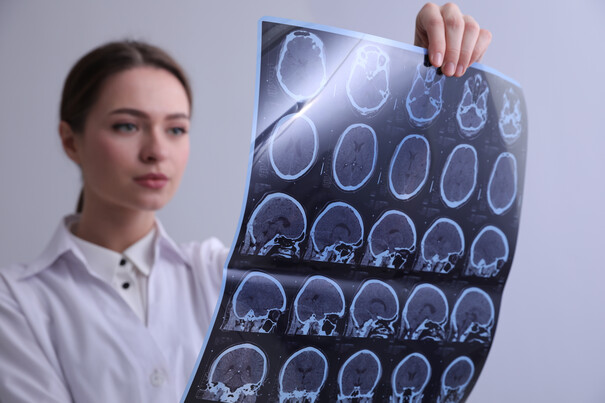
A computed tomography (CT) scan and/or magnetic resonance imaging (MRI) scan will determine the stroke type.
“This will determine if there is bleeding in the brain and help map the best route of treatment.”
About 360 strokes occur each day in South Africa.
Follow The North Coast Courier on Facebook, Twitter, Instagram & YouTube for breaking news
Telegram Broadcast Service: https://t.me/joinchat/yJULuN8NaCs5OGM0
WhatsApp Broadcast Service: Add The Courier to WhatsApp at 082 792 9405 and WhatsApp your name and surname to be added.

Stay in the loop with The North Coast Courier on Facebook, X, Instagram & YouTube for the latest news.
Mobile users can join our WhatsApp Broadcast Service here, or if you’re on desktop, scan the QR code below.