

Ballito clinical psychologist shares need to know info on vicarious trauma
Jarryd Colborne says it is difficult to protect oneself from it because of our increased inter-connectedness and exposure to media such as television and social media.
By simply witnessing or being told of a traumatic event, one can experience lingering feelings of anxiety, anger, rage, sadness and other strong emotional feelings which can spark mental instability.
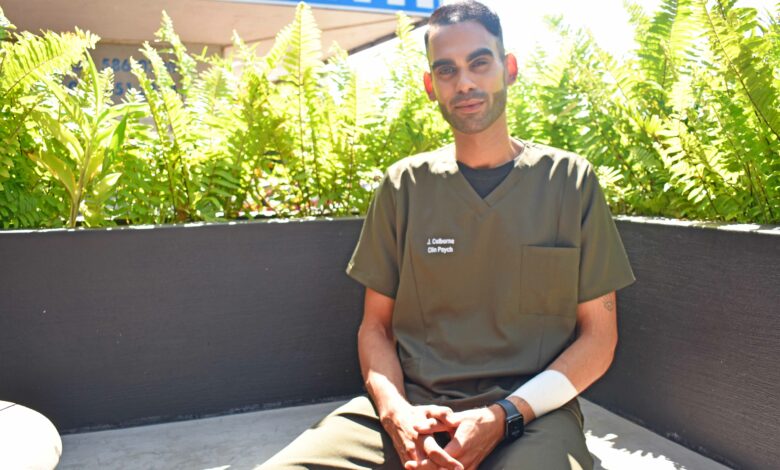
Armed with a masters degree in clinical psychology, Ballito psychologist, Jarryd Colborne said more people than ever were displaying signs of vicarious trauma.
As an example, he said, the loss of several community members this past February served as a prime example of events which can cause vicarious trauma to manifest in people.

People, however, can also be exposed to vicarious trauma simply by witnessing a car accident, whether in person or on social media.
“As humans, we tend to develop a pre-occupation with a traumatic event as it strays far from the norm of what we know, and this can create a space of existential questioning,” he said.
This can be made worse by the ease at which we can access information, readily available at our fingertips.
According to Colborne, vicarious trauma may also trigger a response from people who recall similar traumatic experiences from their own lives.
He warned that signs and symptoms to keep an eye out for include fatigue, feeling emotionally and physically drained despite ample sleep, feelings of anxiety and an inflow of negative thought patterns.
“It is important to remember that signs and symptoms are not always the same, and we may experience symptoms in other domains where we are perhaps more vulnerable.
“One common sign is being unable to cope with a challenge. While vicarious trauma is still pretty new and misunderstood, more research is being done so that we can better understand it,” Colborne said.
Colborne said it was difficult to protect oneself from it because of our increased inter-connectedness and exposure to media such as television and social media.
“Limiting the amount of time we spend on social media and such will help though.”
While it is beneficial to seek professional help should you believe you are struggling with vicarious trauma, Colborne suggested also approaching social workers, religious organisations and non-profits that offer counselling.
He urged people to be aware of their limits when processing traumatic events, which are experienced differently by each of us.
“We may lack control over certain experiences in our lives, but as communities we are moving towards greater acknowledgement and awareness of the significant impact of mental health care on our lives. This is helpful in enabling a sense of control where there seems none.”
Follow The North Coast Courier on Facebook, Twitter, Instagram & YouTube for breaking news
Telegram Broadcast Service: https://t.me/joinchat/yJULuN8NaCs5OGM0
WhatsApp Broadcast Service: Add The Courier to WhatsApp at 082 792 9405 and WhatsApp your name and surname to be added.

Stay in the loop with The North Coast Courier on Facebook, X, Instagram & YouTube for the latest news.
Mobile users can join our WhatsApp Broadcast Service here, or if you’re on desktop, scan the QR code below.