Saving the environment with cloth nappies
Durban North mom says cloth nappies are the way to go.
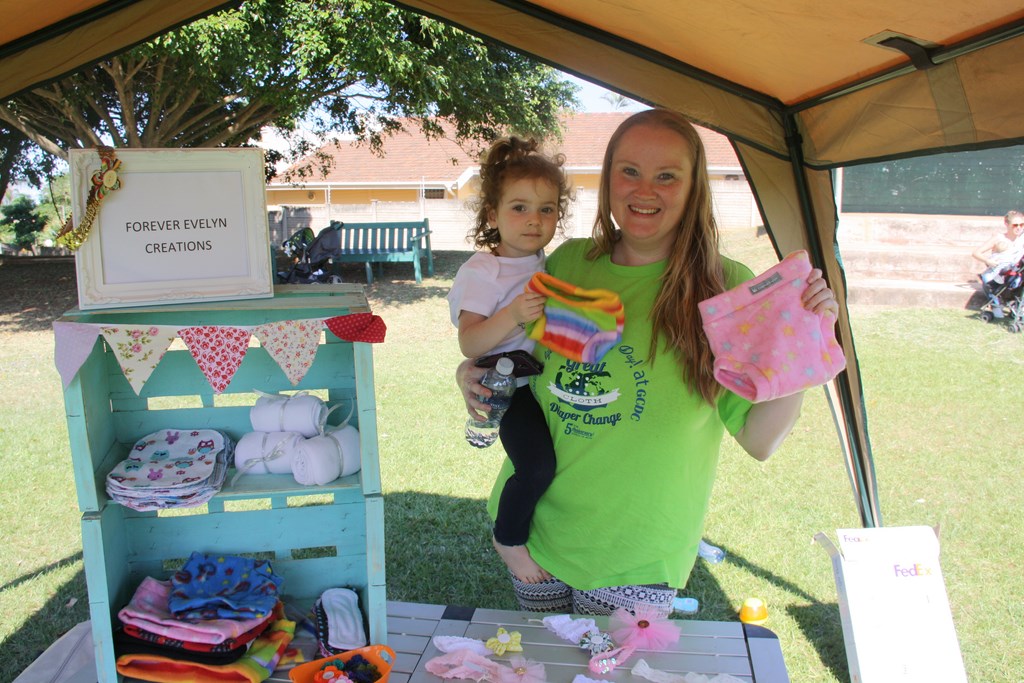
WHEN Dominique Bothma’s daughter, Evelyn, was hospitalised for resistant urinary tract infection and kidney infections, she needed a number of things, including IV antibiotics as well as a multitude of invasive tests. What is more, she also had constant nappy rash and doctors were at a loss to what was the causing the infections.
“Our gut feeling was this was due to the combination of the daily medication she was on and a reaction to the chemicals in the disposables. After changing to cloth nappies we were surprised to find that she no longer struggled with rashes and we were able to detect her infections sooner. One of the main indicators of an infection is an odour in urine, which was previously masked by the heavily-fragranced disposable nappy.
“When visiting the urologist, he was pleased to hear she was in cloth and was very supportive of our decision. When the gel in nappies absorbs, it heats up as part of the chemical reaction. This no doubt is an ideal breeding ground for bacteria and for us was not ideal for our daughter, who already had issues with managing infections and bacteria,” she said.
After doing some research on alternatives to disposable nappies, and inspired by her daughter, she began ‘Forever Evelyn’, which specialises in cloth nappies. Fast forward two years and Evelyn is now free of any infections and is a shining example for the more environmentally-friendly cloth nappy.
“There are approximately 7.6-billion disposable nappies in our landfills. It takes a disposable nappy 500 years to biodegrade, and a child can use up to 6 000 nappies by the time they are toilet trained. Also, a parent can end up spending up to R14 000 on nappies in a child’s lifetime. Knowing that, and my own personal experience, pushed me in the direction of making my own cloth nappies. My daughter is proof that they work and there is minimal impact on the environment,” she explained.
“It took a lot of tinkering with different materials before I found what worked for me. Modern cloth nappies are made up of microfibre, cotton, hemp and bamboo instead of the gel found in disposables. The cover’s waterproofing is usually made from polyurethane laminate (PUL), fleece and pure merino wool. For my nappies I use hemp, muslin, cotton and fleece covers,” she said.
Bothma added the debate between the two schools of nappy choice was ongoing, with some people saying it was too much work.
“I think people think they are hard work, but they have come a long way from the cloth nappies your grandmother used. You no longer have to soak nappies in a bucket of water and hand wash them. They are literally now another load of washing.
Disposables contain trace amounts of a cancer-causing carcinogen toxin called dioxin. So obviously the health of Evelyn was also a factor. The cost of using cloth is about one-tenth of buying disposables. Basic and natural proved better our case,” she said.
Bothma was also part of the Great Cloth Diaper Guinness World Record (collective record) attempt recently. She was among 17 moms in uMhlanga and hundreds of thousands of moms across the globe who were hoping to set a world record for the number of cloth nappies changed at one time, but also highlighting the environmental sustainability of using cloth nappies.
For more info email foreverevelyncreations@gmail.com