Awareness needs to be ongoing, says Durban North suicide prevention advocate
An advocate of suicide prevention says that depression and suicidal thoughts are illnesses, not moral failings, and that the public healthcare system needs to improve to better deal with the crisis.
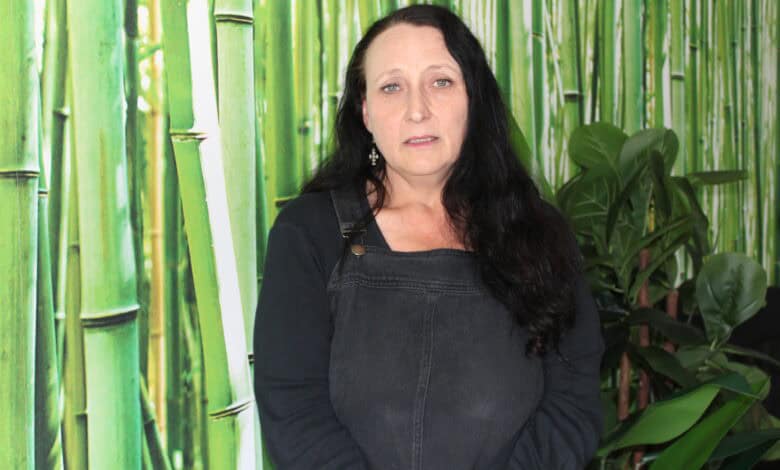
SUICIDE Prevention Month officially ended in September, but the reality of suicide and its devastating impact continues daily, often in silence, says Joy Chiang, an advocate for suicide prevention and founder of the Survivors of Loved Ones Suicide (SOLOS) support group.
Also read: Suspect arrested after Greenwood Park theft
“The focus must be year-round. Every day, families are shattered. Every day, people struggle quietly. We have to pay attention before it’s too late,” said Chiang.
Chiang said recent incidents in Durban highlight how urgent the crisis has become.
“In August alone, we had three suicides within a 5km radius. SOLOS get calls from all over but not everything even makes it onto our group chat. The trauma affects whole communities, not just the immediate family.”
One such incident is the M19 bridge, where a young man recently took his life.
“The family will be going through all sorts of emotions. It’s also traumatising for motorists who witnessed it. This happened on a busy road and can even cause accidents. Maybe safety nets should be installed,” she said.
Chiang also warned against sharing videos or images of suicide scenes online because that could be detrimental to the healing process of family and friends and also be a trigger for many.
“We’ve had situations where people film the aftermath of the incident where you can see the person’s body and share it on social media before the family even knows. It’s devastating. Please don’t do that and don’t share the video. Imagine if that was your loved one – would you like to see your friend or family member like that? Everyone deserves dignity.”
She explained that the causes of suicide are often complex.
“Circumstantial pressures such as losing a job, financial stress and mental health issues are the two biggest drivers. But easy access to a method is often what makes an attempt fatal. We need to look for signs, and we need to ask hard questions.”
Also read: American learners explore Durban North organisation
According to Chiang, the current mental health system leaves people vulnerable.
“If you’re in crisis and need to see someone, you can spend more than R2000 for a private counselling session and still have to wait a month for an appointment. People die in that time frame. Public healthcare must do better. We need critical access, not waiting lists.”
Chiang encourages families and communities to pay close attention to warning signs. “If someone withdraws for more than two weeks, take it seriously. If they show even the smallest sign of reaching out, respond immediately,” she said. “Don’t just hand them a helpline number. Ask them directly if they need help. Sometimes they’re more comfortable speaking to a church counsellor or on a Zoom session where they don’t have to turn their camera on. Just keep showing up.”
She adds that depression and suicidal thoughts are illnesses, not moral failings.
“There should be no stigma or shame in talking about suicide. Depression can be managed. Life is precious. You are valuable. Reach out, get help. You’re not alone.”
For families who have lost loved ones to suicide, Chiang’s group SOLOS offers a safe space to grieve.
“Every family member I’ve ever sat with says they’d rather have their loved one here, no matter what. A suicide note doesn’t always provide closure, it leaves a thousand unanswered questions. Families are left trying to put a puzzle together.”
She also warned about the growing risk among children.
“We’ve had cases where a child attempted suicide after learning methods online. Children that young don’t understand the finality of death,” she said.
“We cannot blame anyone for their choice. But we can prevent others from reaching that point. Talk about it. Ask the difficult questions. Take the first step to get help. It saves lives.”
For support, contact the South African Depression and Anxiety Group on 0800 456 789 or Lifeline on 0861 322 322.
For more from Northglen News, follow us on Facebook , X or Instagram. You can also check out our videos on our YouTube channel or follow us on TikTok.
Click to subscribe to our newsletter – here