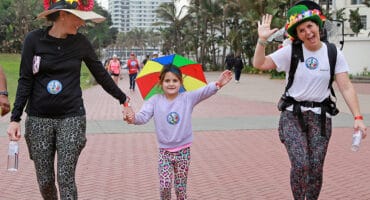
Breast cancer awareness month: Shining a light on caregivers
October is widely recognised as Breast Cancer Awareness Month, a time to promote early detection, education, and support for those battling the disease. But it’s also a crucial time to recognise the silent heroes of the journey: caregivers.
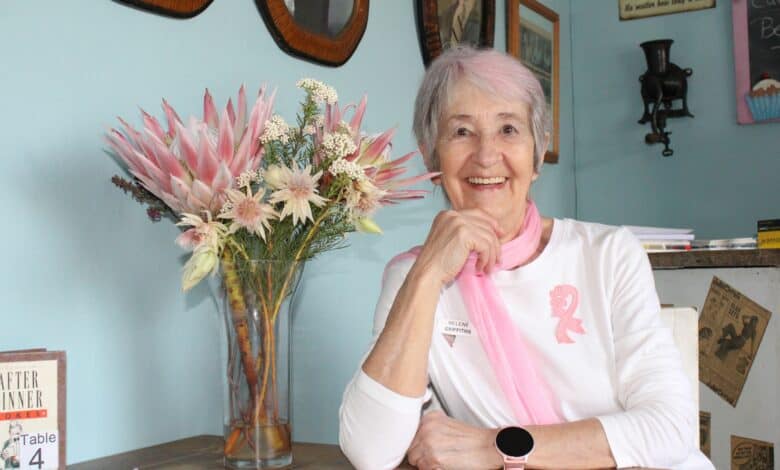
DURBAN North’s Helene Griffiths uses her personal experience to bring much-needed support to those who stand behind the patients.
Griffiths, a retired businesswoman and founder of Granny Griffs, an outreach initiative based in Durban North, knows firsthand the emotional and physical toll that caregiving can take.
Also read: VIDEO: Durban North exhibition showcases local talent
Granny Griffs, known for its compassionate support of families and vulnerable individuals in the community, reflects Griffiths’ deep commitment to service. That same spirit led her to create a caregiver support group after walking the journey herself when her husband Wally was diagnosed with cancer.
“In hindsight, I would have hired a caregiver. But in my mind, nobody could take better care of Wally than me,” Griffiths reflects.
Wally remained gracious throughout his illness, always expressing gratitude. But the weight of caregiving left Griffiths feeling isolated and overwhelmed.
“It was the loneliest five years of my life. Nobody understands it until they go through it themselves,” she said.
Griffiths soon realised that while there were many support systems for cancer patients, caregivers were often left to navigate the journey alone.
“There were other people like me caring for spouses, children with disabilities, ageing parents and no one to talk to. So, I started making notes, gathering what helped others, and decided to create a space to share that.”
The support group, which meets every six to eight weeks in Uitsig Road, Durban North, provides a platform for caregivers to talk openly, share experiences, and offer practical advice.
“We have speakers come in, including physiotherapists who demonstrate exercises people can do at home because caregivers are often housebound and forget that they also need to take care of themselves.”
Griffiths emphasises the importance of accepting help.
“When someone offers to bring you dinner or do chores, take it. Don’t feel guilty. You need that relief. It allows you to take your mind off the illness, even for a moment.”
While caregiving is difficult no matter the diagnosis, Griffiths notes that breast cancer presents specific hurdles.
“There are physical aspects, like the exercises women need to do post-surgery for mobility. And emotionally, it’s hard, especially for men caring for their wives. They don’t always realise that caring for a woman requires personal grooming like washing hair, cutting nails. Many forget and a lot of men find it difficult to talk about it.”
She commends organisations like Reach for Recovery, who provide invaluable advice and equipment invaluable to breast cancer patients.
She added that sometimes visitors often don’t know how to engage, making the caregiver’s role even harder.
“People become uncomfortable around illness. I always advise: treat the patient as normally as possible.”
To create a safe space, Griffiths starts by sharing her own story.
“Once I open up, others begin to share too. It builds trust. People tell us they feel like they’ve found a family. Someone finally understands what they’re going through.”
For caregivers struggling in silence, Griffiths advises either joining or starting a support group.
“Join a support group or start one. You’re not alone. Even if you only meet every few weeks, the connection and understanding we share makes a world of difference.”
To join call her on 082 570 6730.