
Durban North audiologist makes a noise about World Hearing Day
Nowadays, it's more common for newborns to receive a hearing test after birth. A Durban North audiologist says this is vital in ensuring that defects are picked up at an early stage.
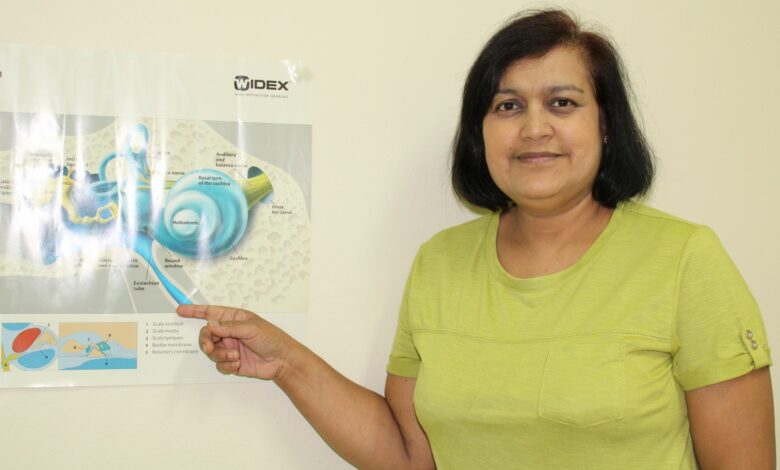
HEARING loss is a growing concern globally, which is why a day has been set aside to create awareness about ear health – World Hearing Day – which is today, March 3.
Northglen News journalist Candyce Pillay spoke to Durban North speech therapist and audiologist Nishara Mooruth, who has been in the field since 2003.
READ ALSO: Durban NPO aims to grow sterilisation mission
She is offering free screenings on the day.
When it comes to ear care and cleaning the ear, Mooruth said there are many things she sees her patients do wrong.
“Patients tend to overclean the ears and use inappropriate instruments and ointments which could be harmful. Wax is an essential feature within the ears, and should any issues arise due to wax, then professional help should be sought,” she said.
To rectify this, she first advised not to overclean the ear and use only a soft cloth to clean up the ear after bathing.
“Don’t use earbuds as this could push the wax farther into the ear and could cause discomfort. For swimming, one could use mouldable silicon earplugs to prevent excessive water from entering the ear. Do consult your doctor should the wax build-up continue to disrupt your hearing or cause discomfort,” she added.
READ ALSO: Helping ‘each one’ get an education
“Newborn-hearing screenings are essential to detect any infant that could be at risk for hearing loss or middle-ear infections. Early detection and management of hearing loss will assist in the speech and language development of the child,” she said.
If someone is diagnosed with hearing loss, it’s not the end of the world, said the audiologist as there are several treatment options and devices available for the hearing impaired.
“For adults, there are hearing aids and assistive devices, such as devices to stream music and calls from your cellphone directly to the hearing aid and to stream sounds from the TV directly to your hearing aid. Cochlear implants are another option available for adults with more severe or profound hearing losses,” she said.
A cochlear implant is a small electronic device that is surgically placed under the skin and a speech processor which is placed behind the ear. Cochlear implants require a surgical procedure and intensive therapy which could be a costly procedure.
“There are also hearing aids and cochlear implants available for children with hearing loss. Intensive audio therapy is recommended to obtain the benefit of using a hearing aid in young children and to develop their speech and language,” said Mooruth.
For more from Northglen News, follow us on Facebook or Twitter or Instagram. You can also check out our videos on our Youtube channel or follow us on TikTok