
VIDEO: Steps to follow when helping animals in distress
The Centre for Rehabilitation of Wildlife shares insights on the steps to follow if an animal is in distress.
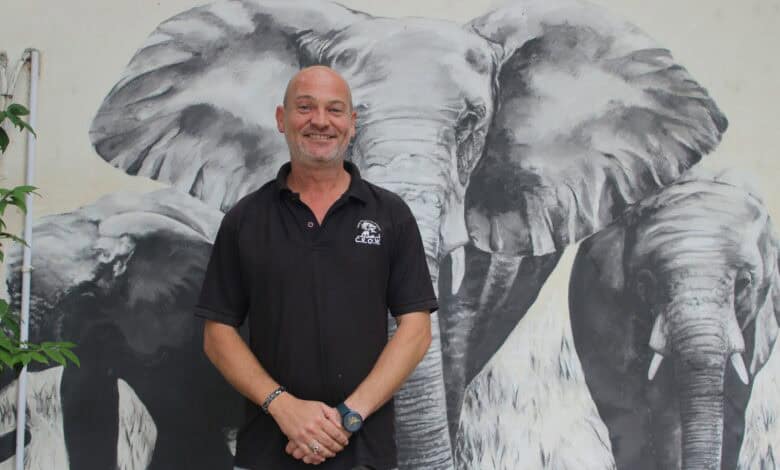
DURING November the Centre for Rehabilitation of Wildlife (Crow) helped 488 animals in need that came through their doors.
The centre, which deals with all indigenous wildlife, said the majority of the intake include species like hadeda, Egyptian geese, banded mongoose, vervet monkey, genets, and garden variety birds.
Their duties include rescuing, rehabilitating, and releasing South Africa’s injured and orphaned wildlife.
Clint Halkett-Siddall, operations director for CROW, explained the centre’s busiest time is from September until April.
“We call it baby season, that’s the season we get the majority of animals in. There is a little bit of a peak during the festive season because there are a lot more people around and more traffic on our roads. Around 90% of the cases that come through during December are due to human influence of some sort with the majority of cases coming from urban areas,” he said.
3 tips to consider if you come across an animal in distress
Halkett-Siddall said whenever considering helping an animal in need you need to look at the three Ss, safety, stress and to be sure.
Safe: “In terms of safety you have to make sure you aren’t going to put yourself in any harm. In that sense with garden birds or hadedas you can easily put them into boxes. Whereas with bushbuck, duiker who have horns, or vervet monkeys with teeth that could cause injury, rather call us.”
Stress: “A key part of any rescue is to reduce stress. Make sure for example if you are able to pick up injured animals to try and put them into a dark, warm environment with ventilation holes like a box. You can even place it in your cupboard just to keep it in a quiet area until we can collect it.”
To be Sure: “Be sure the animal actually needs rescuing. Sometimes baby bird will fall onto the ground and the parents will still feed it. The only time you’d consider that they may need your help is if there are any cats around. For example, with baby antelope, a lot of times the mothers will leave them in a patch of grass while they are foraging, be safe.”
Important numbers to remember
- The 24-hour KZN Stranding Network number is 031 328 8222 (office hours) or 031 328 8060 (after hours). This is for all marine animals: dolphins, whales, seals, snakes, turtles, penguins and seabirds.
- The number for the Centre for Rehabilitation of Wildlife (Crow) is 031 462 1127 (office hours) or emergency number is 083 212 5281 (after hours). This is for sea birds (excluding penguins).
- You can also contact snake rescuers like Jason Arnold (082 745 6375) or Nick Evans (072 809 5806).
For more from Northglen News, follow us on Facebook, X or Instagram. You can also check out our videos on our YouTube channel or follow us on TikTok.
Click to subscribe to our newsletter – here