A bite of nostalgia with Marie biscuit memories
A nostalgic look at the timeless Marie biscuit; its origins, memories, and why it remains a beloved South African classic.
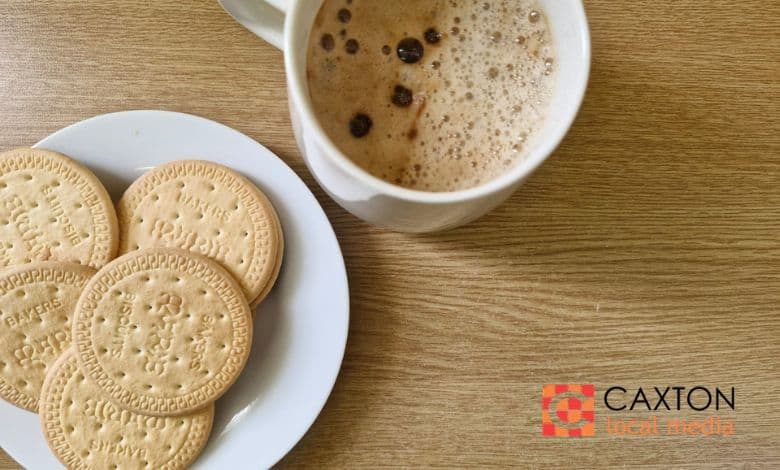
Back when there weren’t shelves packed with fancy biscuit varieties, there was just the humble Marie biscuit. And honestly, that was enough.
I grew up on these. After school, I’d walk through the door to a hot cup of Milo and Marie biscuits sandwiched together with a thick layer of butter in between. Simple things, but somehow they tasted like comfort.
Even in my teen years, and now well into adulthood, they still make the perfect late-night snack. I know I probably shouldn’t, but I do anyway. No regrets. Just nostalgia.
And for me, it has to be the good old Bakers Blue Label Marie biscuit. Nobody quite gets it right like they do. Well, at least in my opinion.
Also read: Facebook community roasts driver following Durban North crash
Now, Marie biscuit fans will swear the proper way to eat them is by dunking them into tea or coffee. And while I understand the appeal, I just can’t bring myself to do it. I prefer taking a bite first, followed by a sip of something warm, and then that perfect moment when the buttery biscuit mixture finally melts in your mouth. That’s the magic for me.
The history of Marie biscuits
What’s interesting is the history behind this little biscuit that’s become such a staple in so many homes.
According to the Facebook group Durban History and Stories, the biscuit dates back to 1885, when Queen Victoria’s son, Alfred, married Maria Alexandrovna, daughter of Russian Emperor Alexander II. Some history sites say it was originally called the Maria biscuit before gradually becoming known as the Marie biscuit.
British biscuit makers Peek Frean used the occasion to launch a biscuit in honour of the marriage. The edges were decorated with a traditional Russian key pattern, while Maria’s name was stamped into the centre.
South Africa started producing the biscuit in 1895, when J.M.L. Baumann opened a second factory. He had already started a rusk factory in Brickhill Street in 1883, producing hard rusks or “hard tack” for ships.
But with the new factory came biscuits for the public, and in 1895, the first Marie biscuits were produced locally and sold for around five cents a tin.
Over the years, many brands made their own versions, but Bakers Blue Label — which joined the Marie biscuit game in 1898 — became one of the favourites along with Baumann’s. Today, Marie biscuits are enjoyed in 45 countries around the world.
Imagine that. All these years later, this little biscuit has stood the test of time. There are so many variations and brands available but I’ll always stand by the original Bakers.
Now, if you’ll excuse me, all this writing has me craving a cup of Milo and Marie biscuits with a generous layer of butter in between.
A few facts about Marie biscuits:
* Marie biscuits are often called the “tea biscuit” because they were designed to be light enough for dunking into tea without falling apart too quickly.
* During difficult economic times around the world, Marie biscuits became a household staple because they were affordable, filling and had a long shelf life.
* In many countries, Marie biscuits are crushed and used as a base for cheesecakes, fridge tarts and other no-bake desserts.
For more from Northglen News, follow us on Facebook , X or Instagram. You can also check out our videos on our YouTube channel or follow us on TikTok.
Click to subscribe to our newsletter – here