
11 plants you can use to keep your garden abuzz with bees
A list of some of the plants you can use to make bees feel welcome in your garden, as well as some do's and don'ts to consider when planting...
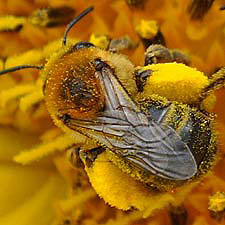
Gardening enthusiasts will be well aware of the vital role that bees play in keeping a healthy and productive garden.
Pollinators are pivotal in transferring pollen from one flower to a second flower of the same species. While some plants can pollinate themselves, most require the help of bees, as well as other insects, birds, bats and organisms.
To keep these hard-working insects visiting your garden, here’s a list of some of the plants you can use to make them feel welcome, as well as some do’s and don’ts to consider when planting…

Don’t use pesticides in your garden. Pesticides can be harmful to beneficial insects as well as pests.

Bees are widely considered to be the most efficient pollinators.

Plant nectar and pollen-rich plants in areas favoured by bees, such as sunny, rather than shady spots and areas protected from wind.

Planta variety of colours and shapes of flowers. Shades of purple, blue, violet, white and yellow are popular with bees, who are unable to see the colour red.

South Africa has a variety of bee species. Each species has a different length tongue which means they feed on different shaped flowers.

Plant a succession of flower types and colours to ensure a year-round source of food for the bees.

Plant larger groups of flowers together.

Flat, open flowers with a single row of petals are easiest to source pollen from for bees.

Some standard garden favourites are perfect for attracting bees, but wildflowers are best.

Use indigenous plants, preferably a good selection of local species.

Here’s an interesting flower fact to check out before you head out to start planting…

Click here to read some sweet facts about the hardworking honeybee.
Also read: How honey can be Mother Nature’s sweetest treat(ment) for various ailments.