Talana Live will bring back old memories
Talana Museum archives has over 6 000 photographs, so that translates into a lot of words - but the photographs all have a story to tell

Talana Live: October 18 to 20 at Talana Museum, Dundee
They say that a photograph is worth a thousand words.
Well, this could very well be true – Talana Museum archives has over 6 000 photographs, so that translates into a lot of words – but the photographs all have a story to tell.
It is not only the photographs that pass on information for historians, but also the events they intentionally or unintentionally record that are very useful. However, behind the photograph is the photographer, and they also have a story to tell.
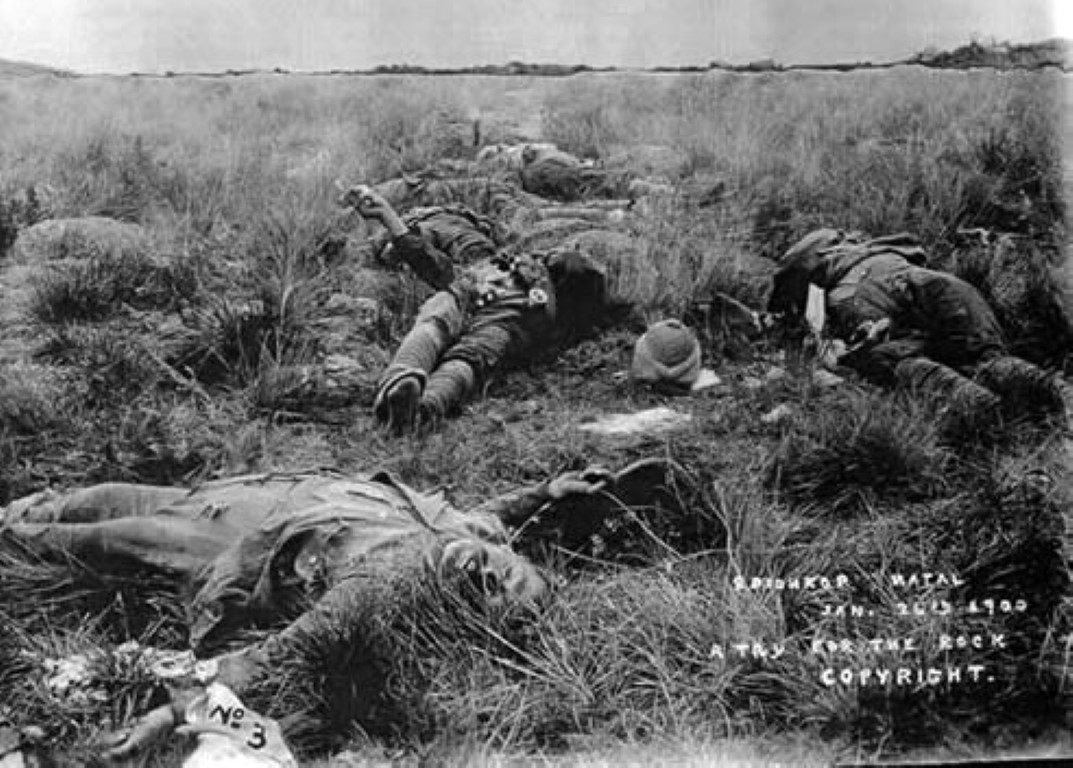
Photographs of the war, battle scenes and the men who fought in them abound.
Professional photographers had a field day in both British and Boer camps. Soldiers all posed for their photographs, which were sent home to their loved ones. Studio portraits were a reminder for family members.
Some men had small cameras and took innumerable photographs of their life in camp, their friends and the movement of troops through South Africa. Today these photographs are a valuable asset in the records of the war. Not all of them are useful, some being insignificant, many without captions and many very badly aged.
The first moving picture of war was taken during the battle of Colenso. The 1st Cavalry Division employed one officer and one NCO, mounted on bicycles to take panoramic photographs of the battle.
Early motion pictures were taken by WKL Dickson of the American Biograph Company and JB Stanford, an amateur newsreel cameraman. These were short and the quality was poor, but were nevertheless shown in the intervals of live performances at music halls. They were used to promote the news of the war and to encourage men to join up and do their bit for their country.
A young photographer, Reginald Shepperd, who was a member of the Pretoria Commando, carried his camera and all the necessary apparatus with him throughout the war. Whenever he had the opportunity he would set up his camera and equipment and take photographs. On the morning of the battle of Spionkop, Mr Shepperd gathered all the men of the Carolina Commando and made them pose for a photograph. He was on the point of exposing the plate when a shrapnel shell exploded over the group and they all fled and took cover. The camera was left behind as the men moved into the battle.
Late that afternoon, after the battle, the camera and tripod were found. One of the legs of the tripod had been shot off. Forty-three of the men from the group who had been photographed that morning had been killed or wounded.
Spend the weekend with us at Talana Live and hear these type of stories from days gone by…
The programme for the weekend is varied and there will be all sorts of items to interest young and old. Be prepared for ‘tales of the past’, ‘ghosts that still walk our grounds’, rifle fire that makes you really think about the effects of war on the men and women who were involved, and food and fellowship that will have you talking about this for years to come.