
Drug scourge is real as small towns become easy pickings for dealers
There has been a tremendous increase in cocaine and crack use in South Africa over the last decade. Crack appears to be more addictive than cocaine, and rehabilitation centres countrywide report an increase of crack users checking in for rehabilitation.
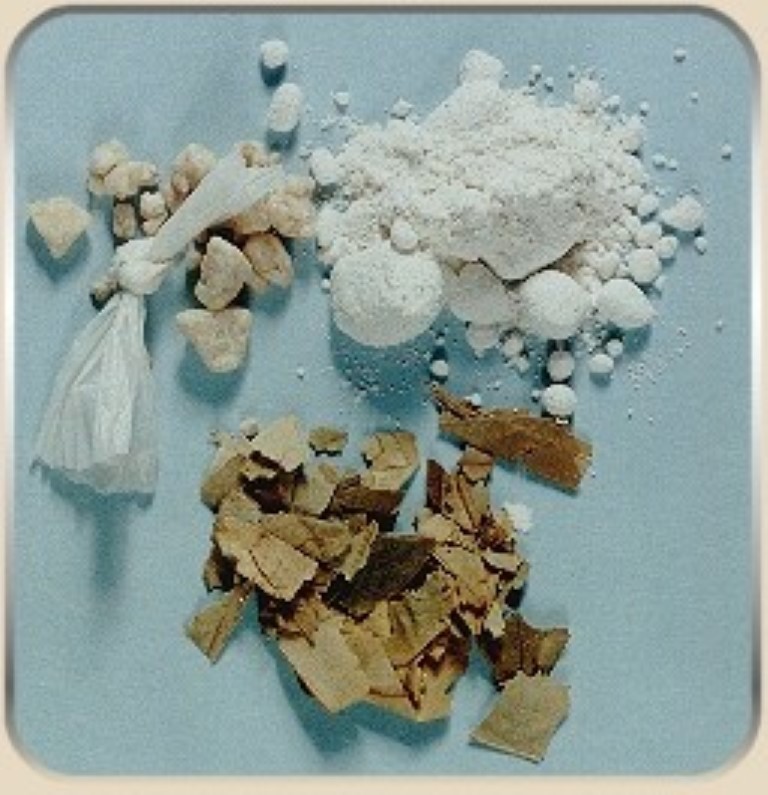
So how easy is it to buy drugs in central Dundee?
It is just like buying a delicious wors roll from the guy on Grey Street, a Courier investigation has revealed, only you do not have to wait while they put on the sauce of your choice on your roll.
You see, the on-the-ball dealers in Dundee have the cocaine nicely prepared in a ‘baggie’.
All you have to do is to meet him in town. Under the big tree on Beaconsfield Street, opposite the Shoprite parking area is a favourite.
Or sometimes he (the dealer) will come to you – maybe at the post office or down Willson Street. It is just like ringing for a pizza. But do not bother to tip.
The dealers charge enough as it is. Depending on quality and quantity, it could cost up to R150 a gram.
Sadly, drug use and prostitution go hand-in-hand as the need to sustain the habit means turning ‘tricks’ to pay the dealer.
The Courier knows of even young children being used as prostitutes to earn money for the adults who in turn buy their fix.
Police members who the Courier spoke to said they are aware of the ‘hot spots’ but say it is difficult to bring to book dealers who appear to have their own ‘bush telegraph’ system of knowing when and where police will strike.
Linking evidence to a suspect is also difficult as a baggie of cocaine/crack can easily be disposed of.
The crack crisis
Crack was developed in 1985 and rapidly emerged as a problem. To obtain crack-cocaine, ordinary cocaine hydrochloride is concentrated by heating the drug in a solution of baking soda until the water evaporates. This type of base-cocaine makes a crackling sound when heated, hence the name ‘crack’.
Crack does not ignite like cocaine, which contains volatile solvents, is liable to do. Crack is the cheapest form of cocaine available and is more concentrated than the powder, which is snorted. It can be up to 90 percent pure and is highly addictive.
There has been a tremendous increase in cocaine and crack use in South Africa over the last decade.
Crack appears to be more addictive than cocaine, and rehabilitation centres countrywide report an increase of crack users checking in for rehabilitation.
How is it used?
Cocaine is inhaled, injected, smoked or applied directly to the nasal membrane or gums. When inhaled it is usually a dose of between 125 and 150 mg.
Effects of cocaine
Within minutes of taking this drug, the user experiences a general sense of euphoria and excitement. The ‘rush’ cocaine gives is very intense. Confidence increases tremendously and the user experiences a feeling of strength. Cocaine also suppresses the appetite. This high reaches a climax after about 15-20 minutes and the effects start wearing off after an hour.
This is often followed by a feeling of intense depression, which encourages the user to take more cocaine in order to feel better.
Other immediate physiological effects on the body include increased heart rate and blood pressure, nausea, rapid breathing, twitching, paleness, blurred vision and nasal congestion.
Cocaine acts by blocking the reuptake of the neurotransmitters dopamine, norepinephrine.
Cocaine can also affect the peripheral nervous system. These effects include constriction of blood vessels, dilation of the pupil and irregular heart beat.
Other immediate physiological effects on the body include increased heart rate and blood pressure, nausea, rapid breathing, twitching, paleness, blurred vision and nasal congestion.
Symptoms of excessive use
Death from cardiac or respiratory arrest is often a symptom of excessive cocaine use. Other physiological symptoms of excessive long term use are ulceration of the nasal membrane, weight loss, tremors, insomnia, impotence, constipation and seizures.
Effects of excessive use on the personality include a sudden onset of deceptive behaviour, stealing, a superior attitude, being short-tempered, work-related problems, depression, being accident-prone, confusion, anxiety, paranoia, dulled emotional responses and a loss of interest in sex.
Death is often the result of excessive cocaine use. Cocaine can cause a tremendous increase in blood pressure that can lead to bleeding on the brain. If blood vessels constrict, this can also lead to a stroke. Respiratory and heart failure could also result in death.