
Veteran writer, Denis Beckett, visits the battlefields and reflects as only he can
For this jury member the exercise was a wake-up. Parts of this planet have gloriously turned blood-soaked histories into dollar-laden industries
Strictly, logically, a visit to the countryside ought to be a morose thing. There are shortages of everything starting with water, and so much is closing down, and so few people have work, and whichever way you look at the statistics they aren’t pointing to the broad uplands.
So how is it that you come away on a high?
Regarding Zimbabwe, this thought has been in my head for years. It’s beyond my powers to leave Zimbabwe other than aglow. That isn’t denying the suppression and repression and oppression and depression. It’s that when you’re reading the news in Johannesburg – or anywhere from Caracas to Timbuktu, I’m sure you – that’s all there is. Being there among the staggering human politeness and pleasantness does not make the statistics untrue. But they get lost behind the thicket of welcomes and friendliness.
And that is no Zimbabwe monopoly. It’s right here in our own borders, though admittedly more diluted around Limpopo where the crumpling of things is in-your-face than far south where every 20 minutes somebody creates a new tourist-related venture.
An overdue re-visit to Zululand leaves an overwhelming impression – exuberant bright-eyed confident youth embracing their world. Embracing their visitors too, with laughs and greetings called out in Zulu and English and Afrikaans. Overtaking a combi-load of schoolchildren I momentarily feared the vehicle capsizing from the rush to the right-side windows to wave and shriek and reach out.
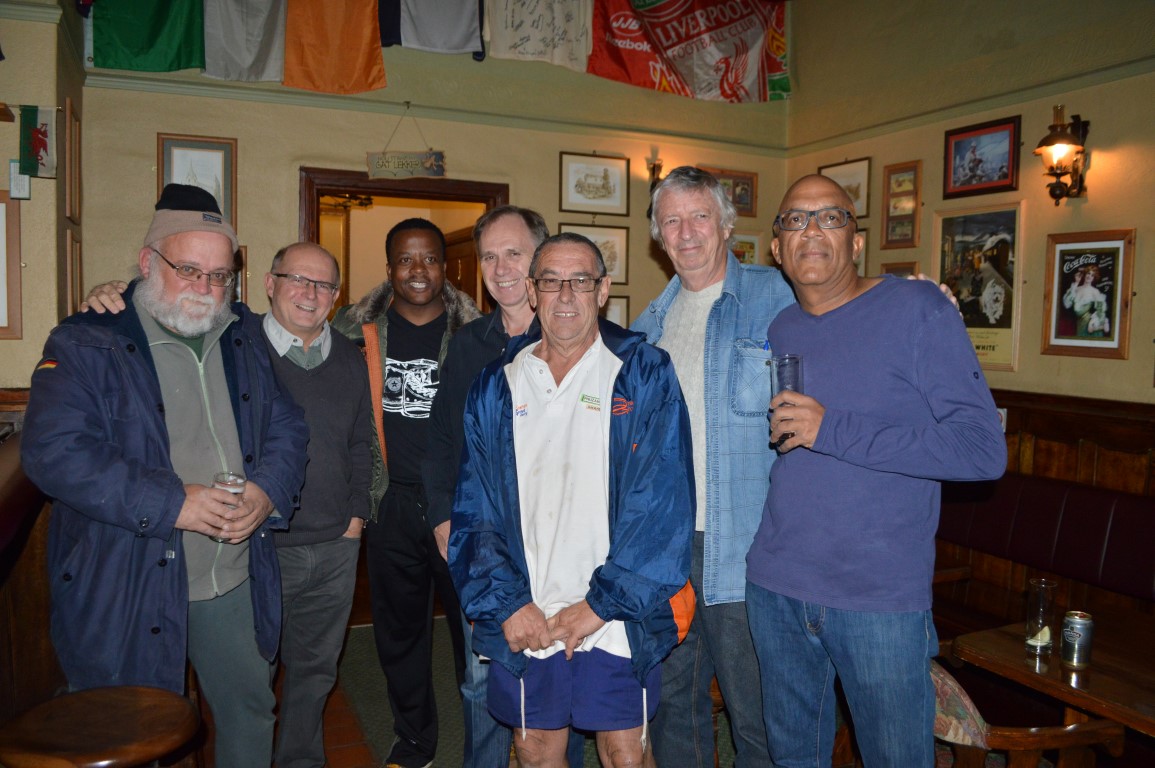
The trip was fathered by Nick Binedell, now stepped down from the business school that he midwived. Nick is following cruelly removed David Rattray into Battlefields terrain, and rounded up a broadly Seffrican jury on whom to cut his tour guiding teeth.
What happened to the famously vast breed of Zulu-hungry British military buffs, fascinated by their (second?-)most dramatic defeat of the 19th-century?
For this jury member the exercise was a wake-up. Parts of this planet have gloriously turned blood-soaked histories into dollar-laden industries. Breathing deep on Isandhlwana, with the mind’s ear resounding to the fury and terror of January 22, 1879, one’s head can reel. You can reel in gratitude that the past is past and reel again at the prospect of what that past can do for modern KwaZulu’s presence.
But the parking lot is empty. That’s its customary state, says Nick. Later, in Dundee which, let alone the Anglo-Zulu war, has the first battle of the Anglo-Boer war in its repertoire as well, tour guide Johann Hamman tells us he used to do twenty tours a month; now down to twenty a year.
What happened to the famously vast breed of Zulu-hungry British military buffs, fascinated by their (second?-)most dramatic defeat of the 19th-century? Now that they get a week in KZN at the price of an afternoon in Brighton they’re suddenly too busy? Or has South Africa become too scary? And what about home-grown tourism? You don’t need to be a descendant of either side to get moved by that strange-shaped hill and its white cairns and the tales both sickening and inspiring that it breeds.

One conversation in Dundee’s quaint Royal Hotel offers a hint. The subject is How Different Are The Zulus, with persons Zulu and Non- putting in wisdom and non-, plus anecdote and experience on the many distinctive features of Zulu Reputation.
Were this conversation heard in Joburg, especially with the noun shifting to “black”, it’d be banner headlines tomorrow, scandal, disgrace, gloomy hefty Statements. Here, it’s plain natural, and doesn’t even try to duck the dofness that group generalisations excel at. Maybe, when the Battlefields industry really gets pumping, it’ll be helped by adjuncts like real turkey-talking sessions – “now that you’re freshly wrenched by the barbarity of war let’s banish political correctness to look with meaning at guaranteeing non-barbarity in peace”.
Or maybe not. That might be “intellectual”, and actually kill the Battlefields. I’m glad to have businessy minds like Nick’s turning to the advancement of such quarters. Just fervently hope that acquiring the money they need does not dent the humanity they so massively have.