
DISPOMANIA: Substance abuse and the triggers
“I have met mothers who pretend to be concerned and have good intentions for their children’s wellbeing but they are in cahoots with dealers."
Most dipsomaniacs and drug users are good people with bad habits. Many are depressed, others are lonely, some are bored and a handful just enjoys it, but whatever triggers its use, it creates a life-long struggle for the user.
Many children start abusing substances by the age of 10 or younger, because we have raised a generation that does not fear or respect authority. Drugs and alcohol have become more socially acceptable than morals, values and righteousness.
Read: Police recover hidden drugs
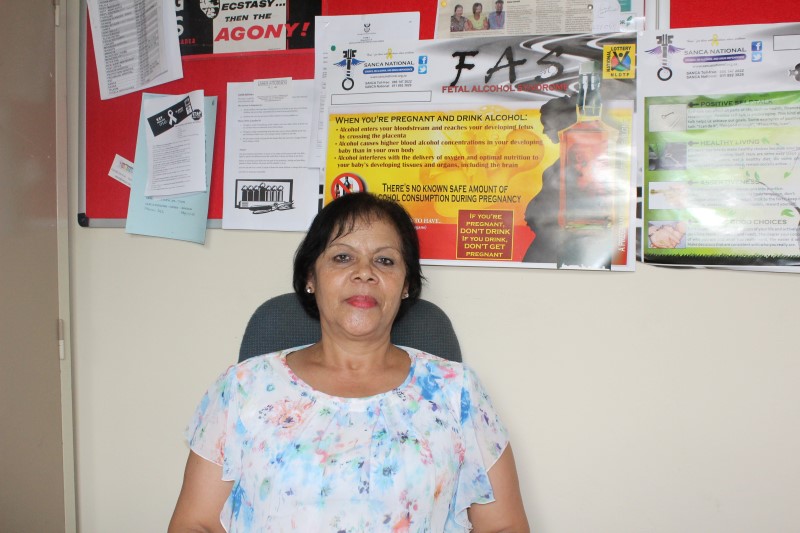
According to Lillian Gajoo, a treatment professional for South African National Council on Alcoholism (SANCA), peer pressure is a major problem.
“Children choose to disappoint their parents rather than their friends, so they acquit the ethics they were brought up with to fit in to society.”
Mrs Gajoo’s experiences taught her most cases of substance abuse stemmed from emotional baggage.
She said substance abuse in Newcastle was growing by the day, because the community had a frivolous attitude towards it.
“We need to work together as a community and think ‘your child is as good as mine’. If we see each others children in the wrong, we must help fix the problem. Parents must teach children to make good decisions.”
Life becomes difficult for the addict too, because they see the disappointment they create. They witness the embarrassment they cause their parents. They tire from explaining to judgemental relatives their reasons for disgracing the family name. They constantly fight a raging war within their minds.
It is these minds society must save, for most of these are brilliant minds, silently crying out for help.
Addicts isolate themselves from the rest of the world, so they can satisfy their cravings at will. The loneliness they create begins to fester, and sometimes crafts the monsters that ruin the lives of others.
“Substance abuse causes bullying, domestic violence, sexual abuse and other crimes like theft and so on. A number of accidents are caused by intoxicated drivers, snatching away the lives of innocents,” said Mrs Gajoo.
Related article: 7 sure signs your child is abusing drugs or alcohol
She said people were afraid to talk about family and community ills, and that needed to change.
“Despite the humiliation parents think they will face if they seek help for an addicted child, more can be said about your parenting if you don’t help your child.”
Seeking counselling for children showed a concerned parent and they should always confirm the information their children told them, she said. It may have shown a lack of trust, but it would ensure their safety.
The families of substance abusers need to realise that they didn’t cause the addiction, they can’t control it, nor can they cure it. All they can do is love the person and support them.
“When dealing with a family member who does not acknowledge they have a problem, the intervention needs to be solid, in that family and friends provide facts and figures, find the root cause of the addiction, and make the addict accept the reasons.”
Mrs Gajoo said sobriety went to the one that wanted it and the only successful recipe for it was a desire mixed with the willingness to stop.
“I have met mothers who pretend to be concerned and have good intentions for their children’s wellbeing but they are in cahoots with dealers. It is because of people like this that we need support groups for families to educate them on dangers, causes and solutions. It is also a good place for them to share experiences and give each other strength and hope to overcome their common problems with a mutual understanding.”
Not all abusers need to go to a rehabilitation facility because in many cases support groups can work. SANCA has a very active Alcoholics Anonymous (AA) support group with many success stories, but there is a need for a Narcotics Anonymous and better rehab facilities.
The festive season and release of matric results is definitely a time where suicide rates increase drastically in general, and alcohol and narcotics do no favours for those who become depressed.
“To reduce this risk, we provide trauma counselling together with Child Welfare and the crisis centre. To prevent relapses, I keep in constant contact with rehabs to the extent where I am notified of a discharge immediately and thereafter provide counselling, do follow-up consultations, and motivate the client to regularly visit support groups,” she said.
The chance of an addict who voluntarily wants to get clean relapsing is very slim. It is those who are forced to give up the habits who relapse much easier.
If an addict does not look inward and accept the problem first, any efforts made by families will be in vain. It is also helpful to involve someone whom the person admires. An addict cannot be disciplined. The approach to resolving the addiction must be subtle.
Forgiveness is also an important factor for an addict to practise. Most need to forgive themselves’, others need to forgive people who wronged them, but without acceptance there can’t be recovery.
SANCA recently targeted Grade 7 pupils as they are vulnerable to exposure to drugs, alcohol and sex when they go to high school. Raising awareness is extremely important for overcoming this problem.
Also read: Drug abuse reaches startling new ‘highs’
“The initiative has been very successful thus far as we have had many responses and as a result we are now working on a number of cases with families who have substance abuse issues and we need more programmes like this to solve this devastating burden on society,” concluded Mrs Gajoo.