Northwest of Pretoria lies the beautiful Pilansberg, a circle of low ridges with a game reserve inside. Sun City’s spires and palaces poke from the perimeter. Pilansberg is a caldera, a type of volcano where a chamber below ground has collapsed leaving a crater rather than a mountain spewing gas and lava.
Some 200km to the south of Pilansberg lies a very different kind of crater: the Vredefort structure with mountain rings and a circular core known as the Dome. It is a Unesco World Heritage Site, celebrated as the best preserved super large meteorite crater on Earth.
Geologists used to think Vredefort was some kind of volcano – perhaps a mighty blast or “cryptoexplosion” out of the Earth. Naturally, Pilansberg seemed to be the model. But a meteorite crater is nothing like a volcano.
The forces of impact are far and away beyond anything the Earth can generate from its internal dynamics – short of a Krakatoa-type explosion.
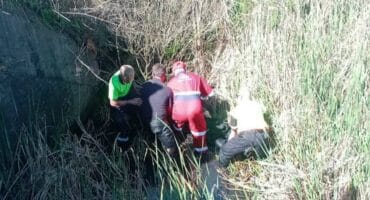
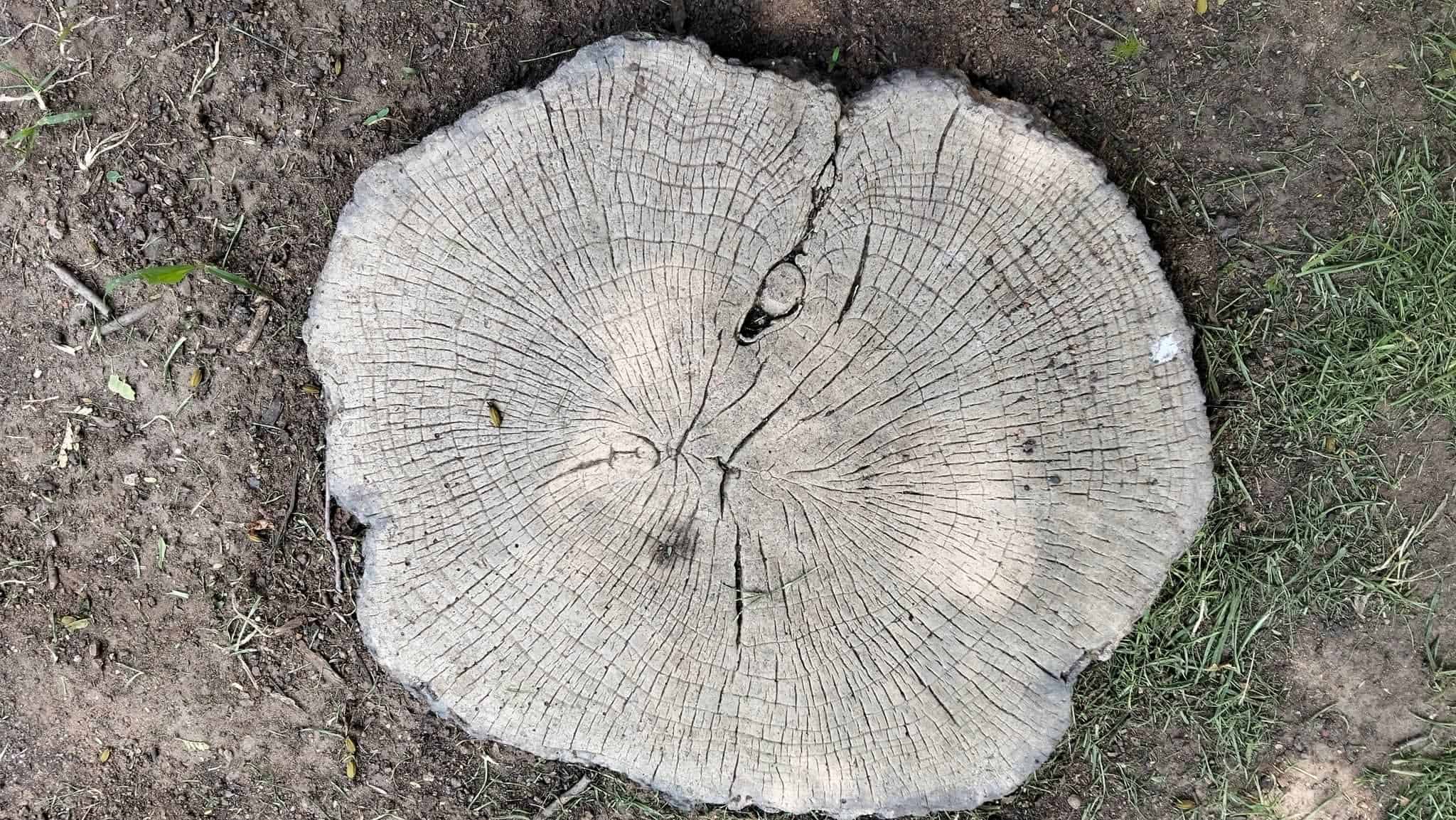
Look closely at the photo of a paving stone. Do you see the pattern? A central burst, rings radiating outwards, broken by lines fracturing back to the center. It’s not just a coincidence; this humble stone perfectly mirrors the colossal forces unleashed by a hypervelocity impact—the most energetic non-volcanic event on Earth.
The pattern is the physical fingerprint of a massive shock wave. The rings are the shock front compressing the rock, and the radial cracks are the rock tearing apart under the massive tension that follows the pressure release.
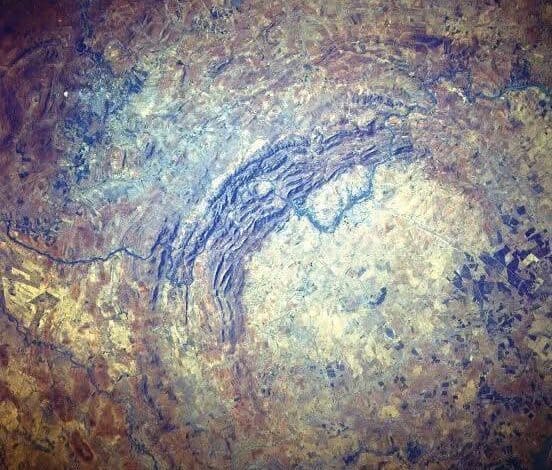
The same catastrophic process, magnified to a planetary scale, is shown in the photo taken from space: the Vredefort Dome in South Africa.
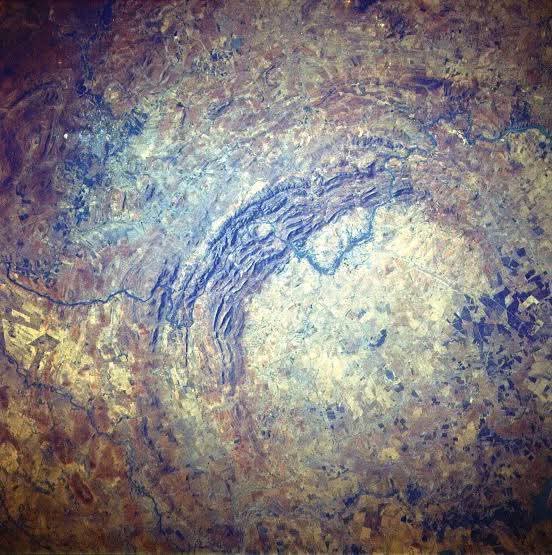
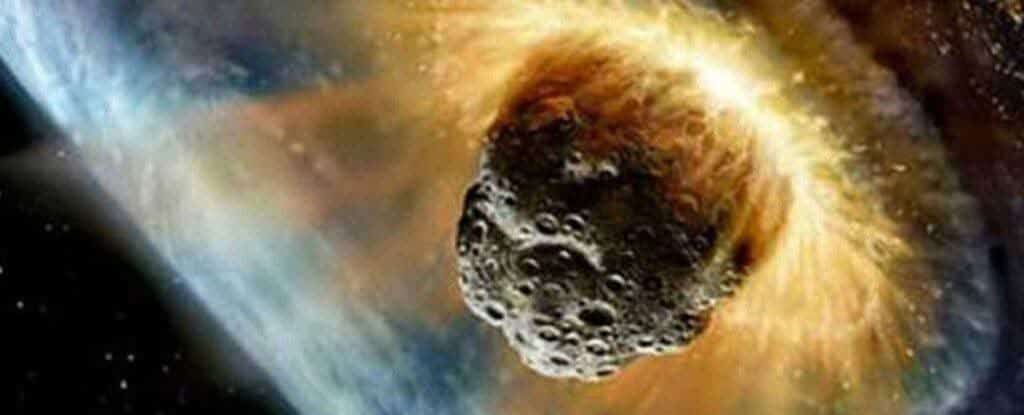
Formed over two billion years ago, Vredefort is the remnant of perhaps the largest and oldest impact structure on Earth. It was an explosion so vast it left a crater estimated to be 250 to 300 kilometers wide. The beautiful, concentric rings you see from orbit—the Dome—are the exposed central uplift, where the compressed crust rebounded after the initial impact, bringing deep-seated granite rock to the surface.

This is why impact sites are completely unlike volcanoes! Volcanoes are a slow burn powered by internal Earth forces; impacts are an instantaneous, physics-defying shock.
We know this not just from the grand scale of the Dome, but from the microscopic evidence found there. Look for rocks veined with pseudotachylite, a dark, glassy rock formed by frictional flash-melting as massive blocks of crust slid violently past each other during the shock and rebound.
We also find shatter cones, distinctive fracture patterns that only form under the extreme, instantaneous pressures of an impact.
Next time you step on a cracked pavement, remember you are looking at the same signature left by the asteroid that shaped our planet. To learn more contact Professor Graeme Addison on 84 245 2490 or visit https://vdome.co.za
At Caxton, every story is written by humans. We use AI only to perform quality checks - never to generate the news. Happy reading!