
Research in Botany at the NWU: Savanna and grassland ecology
For botanists at the NWU, spring is synonymous with research that is inspired by nature itself.
No winter lasts forever. Despite the Covid-19 pandemic, nature kept its promise as spring has once again breathed new life into our natural surroundings. For botanists at the NWU, spring is synonymous with research that is inspired by nature itself.
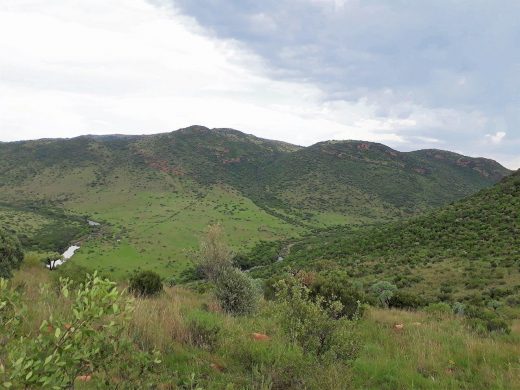
In Potchefstroom, the seasonal changes are distinct and plant ecologists are continuously confronted with questions related to the adaptability of plants to their surroundings. They need to tolerate climatic extremes – from very cold and dry during the winter, to hot, wet conditions in summer. And then there are also fire and herbivores in these seasonal grasslands (grass-dominated) and savanna (trees and grass) eco-systems.
Plants are not only adapted to climate variation, fire and herbivory but are particularly dependent on such natural disturbances. However, humans, directly and indirectly, change the frequency, intensity and duration of these events. Plant ecologists and conservationists not only appreciate plants, plant life and their habitats but are called to study the potential effects of human intervention on natural vegetation. Following their findings, ecologists make recommendations for improved management practices.
One of the fascinating research studies in plant ecology is the interaction between plants and animals. The NWU is actively involved in research in the Kruger National Park (KNP). The KNP has set up experimental fences along some of the largest perennial rivers to compare the effects of elephant damage to plants with the impact of losing all herbivores from an ecosystem that is dependent on these large herbivores. Plant ecologists work closely with soil scientists, microbiologists, mammal ecologists, entomologists and molecular biologists to fully understand ecological interactions in a complex ecosystem like the KNP.
For instance, vegetation changes at the experimental sites in the park resulted in changes in the soil properties. Similarly, certain butterfly species may also be at risk when large mammals no longer roam the Lowveld savanna.
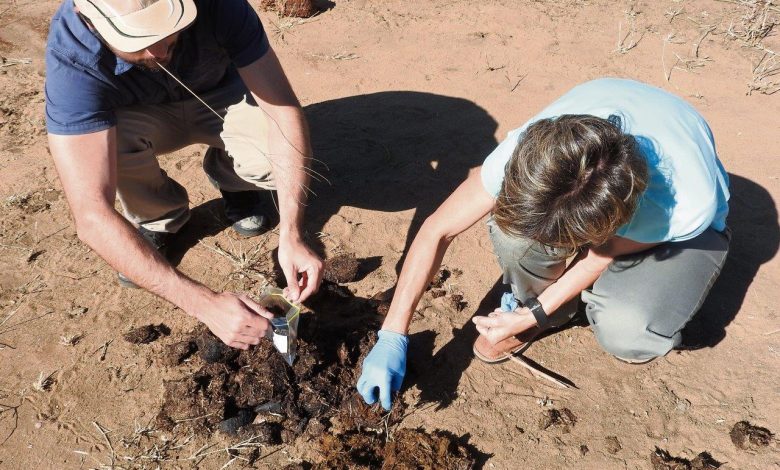
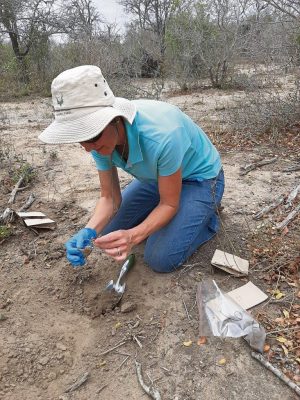
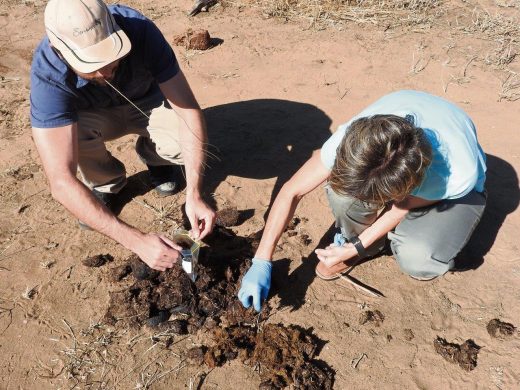
This is because the numbers of butterfly larval host plants declined after 15 years without herbivores at the site. Elephant behaviour and forage patterns were used to explain changes in the tree populations along the perennial rivers in the KNP. Furthermore, molecular biology techniques assist plant ecologists in investigating which plant species are foraged upon in systems with different management backgrounds and whether there are seasonal changes in the diet of cattle and wild herbivores. Samples taken from fresh dung are used to extract plant DNA, from which plant identifications are made.
NWU plant ecologists also study forbs (wild flower species) as they perform important ecological functions. Wild flowers have so much to offer beyond their beautiful spring faces.
They fulfil crucial functional roles since herbivores feed on them during the dry season; they are essential resources for pollinators. Wild flowers are often perceived negatively by farmers and are commonly considered as weeds.
Most agricultural weeds are exotic (their origin is from other countries) and are, therefore, also a threat to indigenous plants. In some areas, wild flowers may become weedy from intensive agricultural practices in the past, or prolonged drought in the area. Some of these wild flowers are toxic to humans or livestock and are, therefore, important to note. But, of even more importance, is proper management of their populations without destroying the diversity and functional role of these species.
As Milne, the writer of the books ‘Winnie the Pooh’ rightfully said – although perhaps with a slightly different meaning – ‘Weeds are also flowers, once you get to know them.’
For more information, contact Dr Frances Siebert.